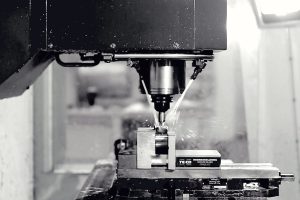
Open post Metal fabrication secondary operations showing welding and powder coating cost factors Detroit

Why AWS-Certified Welding Matters for Michigan Automotive and EV Components

Motor City Metal Fab: Precision Welding and Fabrication in Taylor, Michigan

When fabricated assemblies fail in service, the consequences extend far beyond warranty costs and repair expenses. Automotive components that crack under load, EV battery enclosures that leak, or structural members that fracture in crashes create safety hazards and expose manufacturers to liability. These risks highlight the critical welding certification benefits in Detroit that ensure structural integrity, protect brand reputations, and prevent defects that lead to costly failures. As a leading provider of precision solutions, Motor City Metal Fab understands that these failures often trace back to welding defects that proper procedures and skilled execution would have prevented. In an industry where weld quality directly impacts human safety, the credentials verifying welder competency matter enormously.

The American Welding Society established welder certification programs decades ago to address exactly this concern. AWS certifications provide standardized testing that verifies welders can execute specified processes to documented quality standards. Manufacturers sourcing welded assemblies can reference these certifications as objective evidence of fabricator capability rather than relying on verbal assurances or sample parts. These standards are especially critical when a project moves beyond welding into assembly services in Detroit, where every component must fit perfectly to ensure final product integrity. In the current environment where skilled welders remain scarce and quality pressures intensify, understanding what certifications mean and how they protect customers helps manufacturers make informed sourcing decisions.

Michigan’s automotive and emerging EV manufacturing sectors impose quality requirements that make welder certification particularly relevant. According to the American Welding Society’s Certified Welder Program, the program tests welders on procedures used in structural steel, petroleum pipelines, sheet metal, and chemical refinery welding industries, with provisions for testing to company-supplied specifications. This performance-based program provides transferable credentials that professional welders can carry from employer to employer, creating standardized quality benchmarks across the industry.

What AWS Certification Actually Means

AWS welder certifications verify that individuals have demonstrated the ability to produce sound welds using specified processes, materials, and positions through standardized testing. Before parts ever reach the welding station, many undergo Automated Sawing & Material Processing Services to ensure precise dimensions and clean edges, which are vital for achieving a certified-quality weld. Certification testing requires welders to produce specimens under controlled conditions, which are then subjected to inspection by AWS Certified Welding Inspectors. Welders who produce specimens meeting acceptance criteria receive certifications documenting their demonstrated capabilities.

The specificity of AWS certifications addresses the reality that welding competency is not universal across processes and applications. A welder certified for MIG welding on carbon steel in flat position has demonstrated capability for that specific combination but has not proven ability to TIG weld aluminum in overhead position. Certifications specify the process, base material type, filler material, thickness range, and welding positions the welder has demonstrated. Furthermore, the preparation of these materials often involves media blasting services in Detroit to remove contaminants and provide the ideal surface profile for both welding and subsequent finishing.

Certification periods establish currency requirements ensuring welders maintain demonstrated skills over time. AWS certifications remain valid as long as welders submit certification maintenance forms every six months as required by the applicable code of acceptance. Welders who stop practicing their trade or cannot verify ongoing use of certified processes may need recertification before resuming work on critical applications. This currency requirement addresses the reality that welding skill requires ongoing practice to maintain, protecting customers from relying on outdated credentials.

The AWS Certified Welder program encompasses certifications addressing different industry requirements. The program allows welders to obtain multiple certifications to expand their credentials, with each certification increasing the range of welding jobs they can perform. Shops serving diverse industries maintain personnel with certifications appropriate to their application mix, ensuring capability across the process-material combinations their customers require.

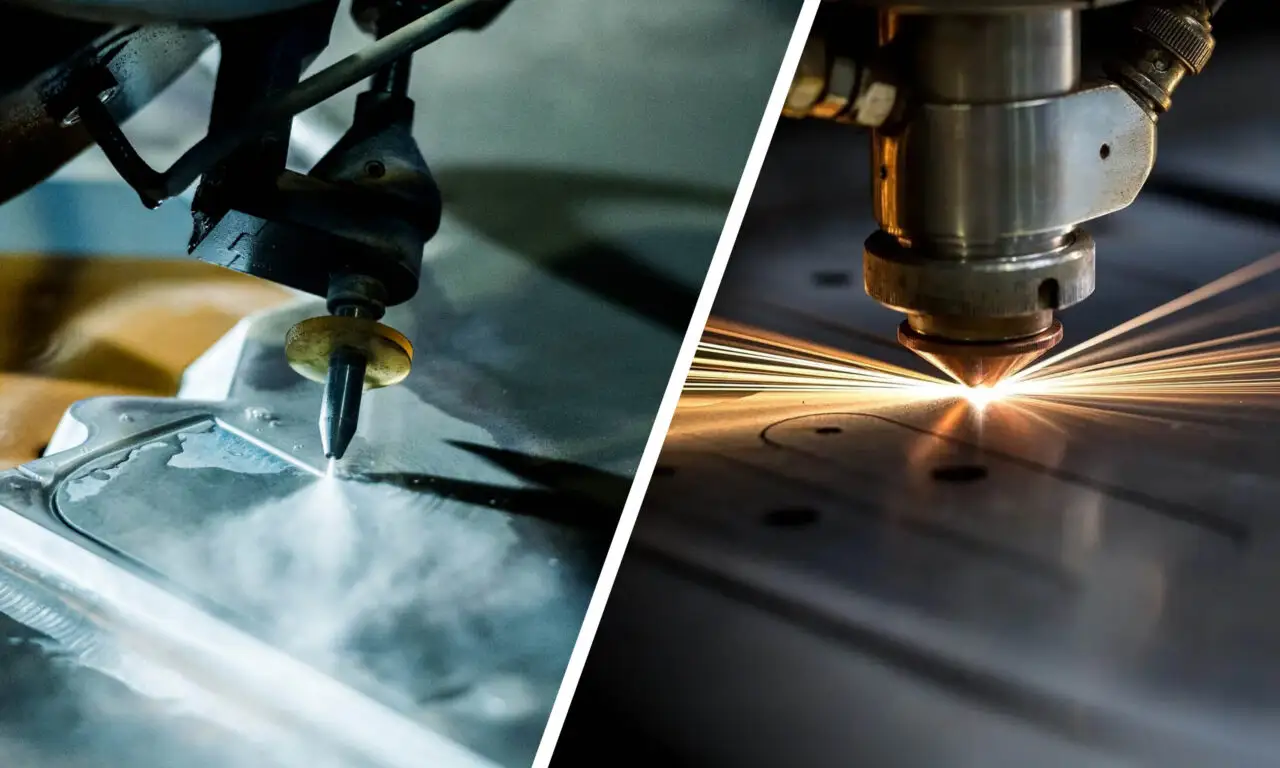
High-tolerance metal parts produced by our professional laser & waterjet cutting services

Why Certification Matters for Automotive and EV Applications

Automotive welding applications impose quality requirements that make certification particularly valuable. Vehicle structures must withstand crash loads that protect occupants during collisions. Suspension components experience millions of fatigue cycles over vehicle life. Exhaust systems operate at elevated temperatures in corrosive environments. Each application creates specific demands on weld quality that certified welders are prepared to meet through demonstrated competency.

The electric vehicle transition introduces additional welding requirements that amplify certification importance. Battery enclosures must maintain structural integrity during crashes while containing thermal events that could endanger occupants. Motor housings require dimensional precision that proper welding technique preserves. Thermal management systems demand leak-free joints that prevent coolant loss in service. These critical applications require a seamless workflow, often concluding with professional powder coating services in Detroit to protect the integrity of the certified welds from corrosion and environmental wear.

The workforce constraints affecting Southeast Michigan manufacturing, explored in [The Welder Shortage Crisis Hits Southeast Michigan Manufacturing: What It Means for 2026], create quality risks that certification helps mitigate. As experienced welders retire and shops train replacements, the personnel executing critical welds may have less accumulated experience than their predecessors. Certification testing verifies that these welders have demonstrated competency regardless of experience level. Additionally, for complex projects requiring full assembly services in Detroit, having certified welders ensures that the foundational structure is sound before secondary components are integrated.

Liability considerations increasingly drive certification requirements through automotive supply chains. When welded assemblies fail and cause injuries, investigations trace responsibility through the companies involved in design, fabrication, and assembly. Fabricators who can document that certified welders executed work following qualified procedures demonstrate due diligence that influences liability allocation. Those lacking such documentation face exposure that certification costs would have avoided.

Beyond Individual Certification: Shop Quality Systems

Individual welder certification represents one element of quality assurance. Comprehensive shops also utilize Automated Sawing & Material Processing Services to maintain tight tolerances from the very first cut. Quality management systems document procedures ensuring consistent execution across personnel, projects, and time periods. These systems address material control, process documentation, inspection requirements, and corrective action procedures that collectively determine whether fabricated assemblies meet specifications reliably.

The NQA automotive industry standards overview explains that most organizations manufacturing for the automotive industry require certification to IATF 16949, developed by the International Automotive Task Force comprising major automakers including BMW, Ford, General Motors, and Volkswagen. This standard works in conjunction with ISO 9001 quality management systems to ensure suppliers demonstrate improvement in customer satisfaction, operating costs, and risk management. Fabricators serving automotive supply chains increasingly face these certification requirements as baseline expectations.

Qualified welding procedures specify the process parameters, techniques, and materials that produce acceptable welds for specific applications. Procedure qualification requires testing that verifies proposed parameters produce sound welds in representative conditions. Once qualified, procedures provide documented guidance ensuring welders execute work consistently rather than improvising approaches based on individual preference. Shops maintaining libraries of qualified procedures can address diverse application requirements with documented methods.

Inspection and testing capabilities verify that completed assemblies meet specification requirements before shipment. Visual inspection identifies surface discontinuities that might indicate deeper problems. Dimensional inspection confirms geometric characteristics match drawing requirements. Non-destructive testing including dye penetrant, magnetic particle, or ultrasonic examination can reveal subsurface defects in critical applications. Shops serving demanding industries maintain inspection capabilities matching their customer requirements, often following specialized media blasting services in Detroit that ensure the surface is clean for accurate testing.

Evaluating Fabricator Certifications and Capabilities

Manufacturers sourcing welded assemblies should request certification documentation from prospective fabrication partners and verify its relevance to their specific requirements. Certifications should match the processes, materials, and positions that actual work will require. A shop certified only for MIG welding carbon steel cannot demonstrate capability for TIG welding aluminum that many EV applications demand. Mismatches between certification scope and application requirements create risks that paperwork alone cannot address.

Certification currency matters because welding skill degrades without practice. Welders holding certifications issued years ago who have not performed that type of welding recently may need recertification before reliably executing critical work. Asking when welders last performed certified processes and whether ongoing activity maintains their proficiency provides insight beyond certification date alone.

Shop-level certifications and registrations complement individual welder credentials. Quality management system certifications like ISO 9001 indicate an organizational commitment to systematic quality approaches. Furthermore, a fabricator’s ability to provide integrated assembly services in Detroit ensures that certified welds are properly incorporated into the final structure with precision. Industry-specific certifications for automotive, aerospace, or pressure vessel fabrication demonstrate capability for particular application categories. Shops investing in these credentials signal seriousness about quality that casual competitors avoid.

Reference checking with current customers provides perspective that credentials alone cannot capture. How do customers rate on-time delivery, quality consistency, and responsiveness when problems arise? Does the shop communicate proactively about challenges or deliver surprises at inopportune moments? These behavioral factors often matter as much as technical credentials for successful ongoing relationships.
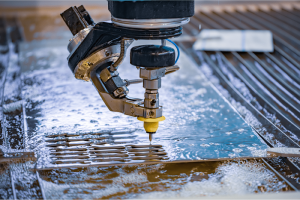
High-tolerance metal parts produced by our professional laser & waterjet cutting services

The Connection Between Certification and EV Opportunity

The expanding EV manufacturing ecosystem in Michigan, discussed in [Michigan’s EV Transition Creates Unprecedented Demand for Custom Metal Fabrication], places premium value on documented welding capabilities. OEMs and Tier 1 suppliers establishing new supply chains require objective evidence that fabrication partners can meet their quality requirements. This process often begins with Automated Sawing & Material Processing Services in Detroit to ensure raw materials are cut to exact tolerances before welding even begins.

Fabricators seeking to participate in EV supply chains should evaluate their certification status against the requirements these applications impose. Personnel may need additional certifications for aluminum processes that traditional automotive work did not require. Procedures may need qualification for materials and joint configurations unique to EV components. Inspection capabilities may need expansion to address quality characteristics that customers specify. Addressing these gaps proactively positions shops favorably as EV programs select suppliers.

The investment in certification pays returns beyond individual program qualification. Certified shops attract better talent because skilled welders prefer employers who value credentials demonstrating their abilities. Customer relationships deepen as quality track records accumulate. Operational discipline improves. This discipline extends to finishing, where high-quality powder coating services in Detroit provide the final layer of protection and professional appearance required by EV manufacturers.

Motor City Metal Fab: Certified Quality for Demanding Applications

At Motor City Metal Fab, we maintain AWS-certified welders capable of executing TIG, MIG, and spot welding processes across steel, stainless steel, and aluminum materials. Our commitment to certification reflects our understanding that automotive, EV, and industrial applications demand documented capability rather than verbal assurances.

Our Services Include:

  • Welding & Fabrication Services in Detroit – AWS-certified welders executing precision assemblies for automotive prototype, EV, and industrial applications
  • Complete fabrication capabilities including CNC machining, laser cutting, tube bending, powder coating, and assembly for integrated manufacturing solutions

Ready to Discuss Your Quality Requirements? Contact Motor City Metal Fab to learn how our certified welding capabilities can support your manufacturing programs.

Works Cited

“Certified Welder Program.” American Welding Society, www.aws.org/certification-and-education/professional-certification/certified-welder-program/. Accessed 20 Dec. 2025.

“Automotive Industry Standards.” NQA, www.nqa.com/en-us/certification/sectors/automotive. Accessed 20 Dec. 2025.

Related Articles


Open post Welding cobot working alongside a technician on a metal assembly in a Michigan fabrication shop

The Welder Shortage Crisis Hits Southeast Michigan Manufacturing: What It Means for 2026

Motor City Metal Fab: Precision Welding and Fabrication in Taylor, Michigan

The American manufacturing sector is confronting a workforce crisis that threatens production capacity, project timelines, and economic growth across the industrial Midwest. Nowhere is this pressure more acute than in Southeast Michigan, where automotive suppliers, equipment builders, and custom fabricators compete for a shrinking pool of certified professionals providing industrial welding services in Datriot. The numbers paint a stark picture: the industry needs 320,500 new welding professionals by 2029, yet more than 157,000 current welders are approaching retirement age in the next few years.

This isn’t a distant problem or a theoretical concern. Fabrication shops across Wayne, Oakland, and Macomb counties report turning down work, extending lead times, and scrambling to retain skilled personnel as competition for talent intensifies. The shortage affects every manufacturer relying on welded assemblies, from automotive prototype developers rushing components to market to food equipment fabricators meeting strict sanitary welding standards. Understanding the scope of this crisis helps manufacturers identify shops capable of delivering high-quality industrial fabrication services in Datriot despite constrained labor markets.

The data from the American Welding Society’s Welding Workforce Data initiative reveals the full magnitude of the challenge. The United States currently employs approximately 771,000 welding professionals across six key occupational categories including welders, cutters, solderers, brazers, boilermakers, sheet metal workers, and structural metal fabricators. However, the workforce demographics create an urgent timeline: more than 21% of current welders are over 55 years old, representing a wave of retirements that will accelerate through the remainder of this decade. The industry must fill an average of 80,000 welding positions annually between 2025 and 2029 just to maintain current capacity.

Why the Shortage Hits Michigan Harder

Michigan’s manufacturing concentration amplifies workforce pressures that other regions experience more gradually. The state’s historical dominance in automotive production created deep talent pools in metalworking trades, but decades of industry restructuring depleted those reserves without adequate replacement. This welder shortage crisis has intensified as younger workers pursued other careers while manufacturing employment fluctuated, leaving gaps that apprenticeship programs and technical schools struggle to fill. For businesses navigating these challenges, Motor City Metal Fab provides the reliable expertise needed to keep production on track.

The regional distribution of welding employment reveals Michigan’s position within the broader Great Lakes manufacturing corridor. According to AWS workforce data, the six-state region encompassing Illinois, Indiana, Michigan, Minnesota, Ohio, and Wisconsin employs approximately 159,500 welding professionals, representing the second-largest concentration nationally after the Gulf Coast energy corridor. This density creates intense competition when multiple manufacturers simultaneously seek qualified partners for mig welding services in Datroit for expansion projects or to replace retiring personnel.

Southeast Michigan faces additional pressure from the electric vehicle transition reshaping automotive supply chains. Battery enclosure fabrication, motor housing assembly, and lightweight structural welding for EV platforms require different skill sets than traditional automotive production. Manufacturers retooling or electrification must find technicians proficient in tig welding services in Datriot for new materials while competing for the same limited talent pool as suppliers serving conventional vehicle programs.

The demographic challenge extends beyond simple headcount. The average welder age of 55 years means the most experienced personnel, those capable of handling complex assemblies and training junior staff, will exit the workforce first. Shops lose institutional knowledge accumulated over decades while simultaneously facing increased demand for sophisticated welding applications in emerging industries. The combination of experience drain and skills evolution creates compounding difficulties that simple hiring cannot solve.

What Drives the Demand Surge

Multiple factors converged to create the current shortage, extending well beyond normal retirement attrition. Infrastructure investment programs authorized in recent years are generating fabrication demand for bridges, buildings, and transportation systems. Energy sector expansion, including both renewable installations and traditional infrastructure maintenance, requires welders for pipeline work, structural steel, and equipment fabrication. Manufacturing reshoring initiatives bring production back to American facilities that require comprehensive industrial fabrication services in Datriot.

The Bureau of Labor Statistics projects approximately 45,600 annual openings for welders, cutters, solderers, and brazers through 2034, with most openings resulting from workers transferring to different occupations or exiting the labor force through retirement. The median annual wage reached $51,000 in May 2024, with specialty trade contractors paying median wages of $57,310, creating economic incentives for workers but also increasing labor costs for manufacturers. Employment remains concentrated in manufacturing at 61% of total positions, followed by specialty trade contractors at 8%.

Michigan-specific demand drivers include the state’s position as the epicenter of electric vehicle development and production. Understanding how [Michigan’s EV Transition Creates Unprecedented Demand for Custom Metal Fabrication] helps manufacturers anticipate where welding requirements will intensify. Battery pack enclosures, motor housings, and structural components for electric platforms require precision welding that meets stringent automotive quality standards while accommodating new material combinations including aluminum alloys, high-strength steels, and hybrid assemblies.
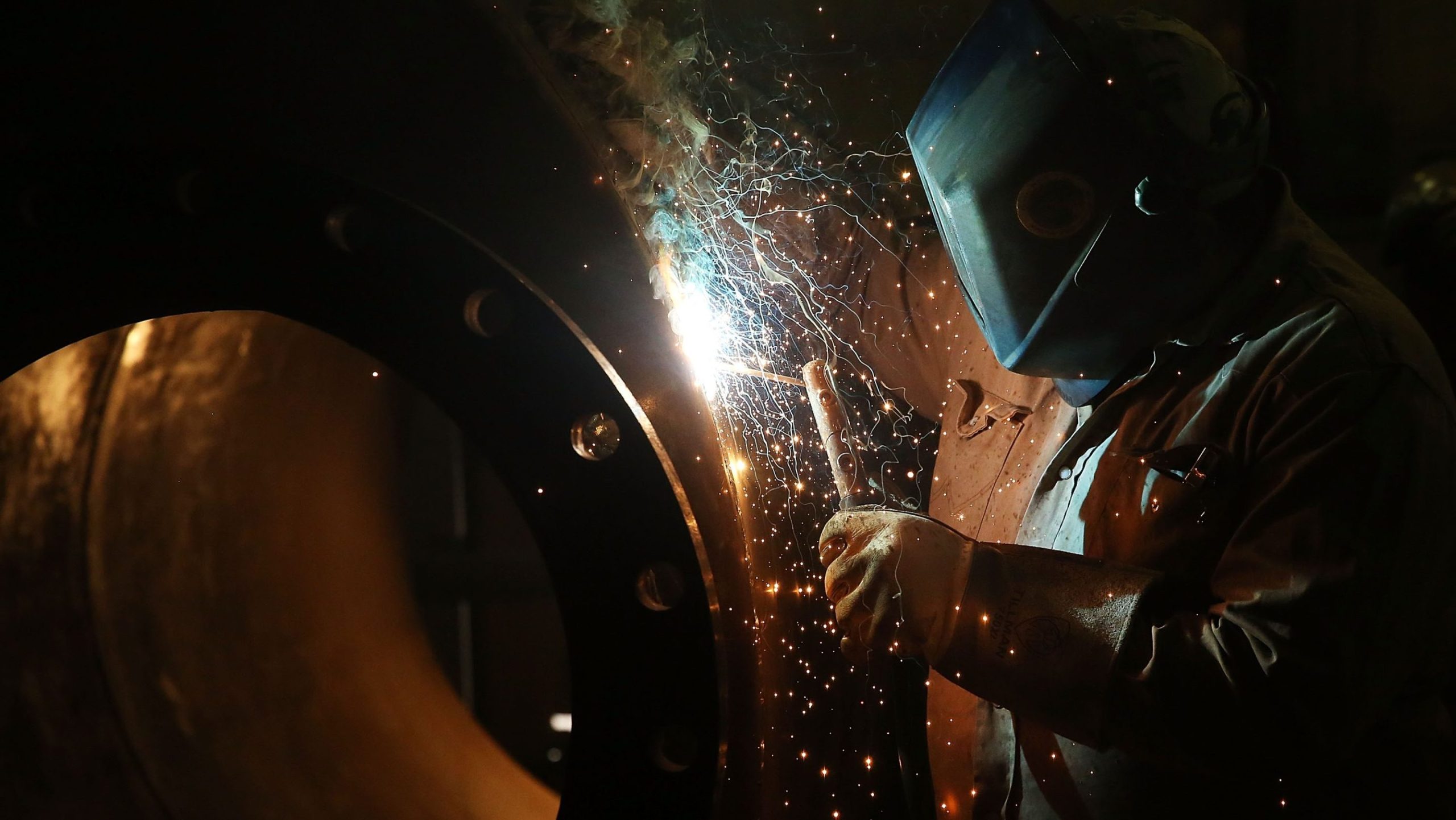
The automotive prototype and testing sector, particularly concentrated in Southeast Michigan, creates specialized demand for welders capable of producing one-off assemblies and short-run components that production-focused facilities cannot efficiently handle. These applications require versatility across tig welding services in Datriot, mig welding services, and spot welding processes, along with the ability to interpret engineering drawings for parts that have never been fabricated before. Finding welders who combine process expertise with problem-solving ability becomes increasingly difficult as the talent pool contracts.

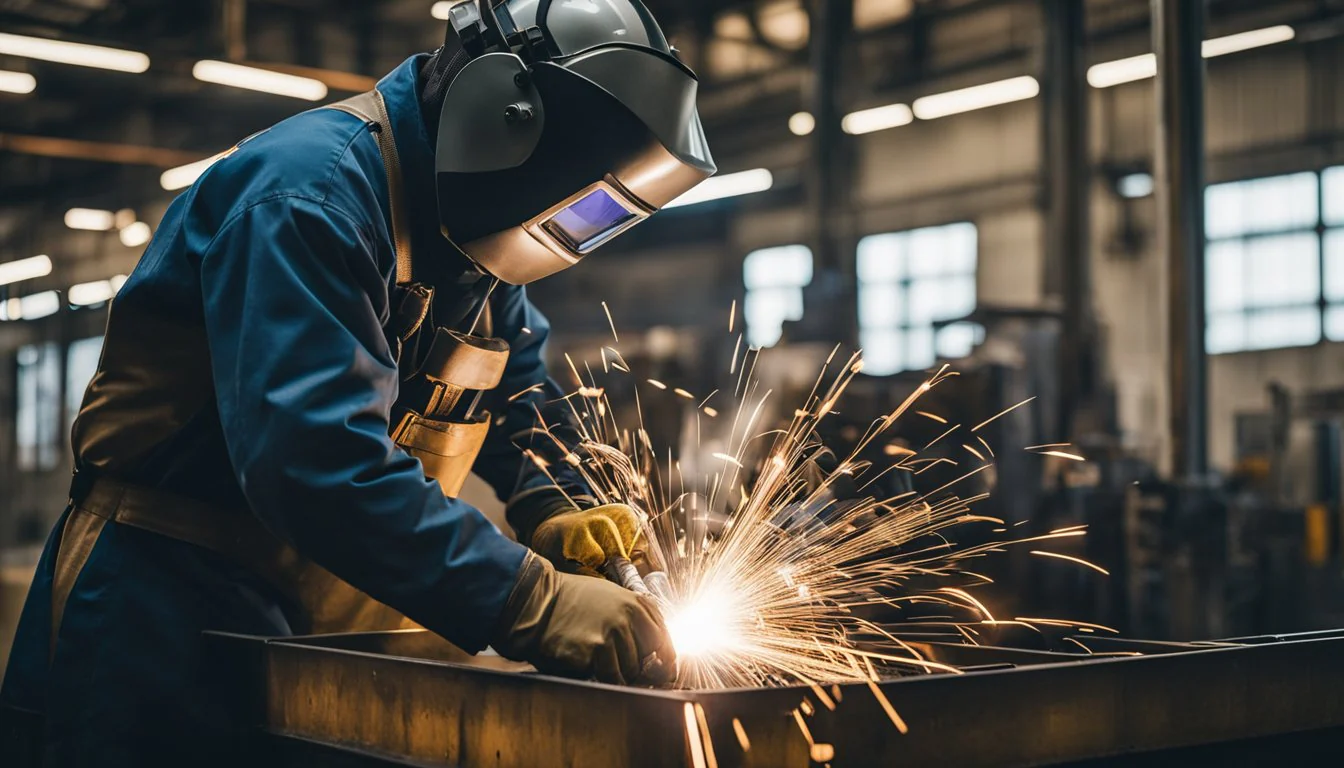
Industrial welder performing MIG welding on custom steel frames in a Michigan fabrication facility

Impact on Lead Times and Project Planning

Manufacturers across Southeast Michigan report measurable impacts from workforce constraints. Shops that previously quoted two to three-week lead times now require four to six weeks for comparable projects. Rush orders that fabricators once accommodated through overtime or weekend shifts become impossible when existing staff already works extended hours covering baseline production. Some facilities have stopped accepting new customer inquiries entirely, focusing limited capacity on established accounts with ongoing programs.

The ripple effects extend through supply chains as delays at fabrication shops cascade into assembly operations, equipment installations, and product launches. Original equipment manufacturers building schedules around prototype deliveries discover that metal fabrication has become the bottleneck constraining their timelines. Engineering teams discovery that theoretical weldability means little when qualified experts to provide mig welding services in Datriot or other specialized processes remain unavailable.

Quality concerns accompany capacity constraints as shops face pressure to maintain output with less experienced personnel. Welding quality depends heavily on operator skill, particularly for applications requiring full penetration joints, precise heat control, or work with sensitive materials like thin-gauge aluminum or stainless steel. Shops that historically maintained deep benches of certified welders now operate with thinner margins for error. The importance of verifying shop capabilities through certifications and quality systems has never been greater, as explored in [Why AWS-Certified Welding Matters for Michigan Automotive and EV Components].

Project planning must now account for fabrication lead times that would have seemed excessive just five years ago. Manufacturers sourcing welded assemblies should engage fabrication partners earlier in development cycles, provide complete documentation to minimize revision cycles, and maintain relationships with qualified shops rather than constantly seeking lowest-bid suppliers. The shortage environment rewards customers who treat fabricators as partners rather than commodities.

How Shops Are Adapting

Fabrication shops responding effectively to workforce constraints pursue multiple strategies Investment in welding automation addresses repetitive, high-volume industrial welding services in Datroit where robots can maintain consistent quality. However, automation cannot substitute for skilled welders on complex assemblies, prototype work, or applications requiring real-time judgment about joint fit-up, material response, and quality verification. The most effective shops deploy automation strategically while preserving human expertise for work that demands it.

Training and apprenticeship programs represent long-term investments that forward-thinking fabricators have pursued for years. Shops that developed internal training pipelines before the shortage intensified now benefit from journeyman welders they cultivated from entry-level helpers. Those programs continue, but the timeline from trainee to production-capable welder spans years rather than months. Manufacturing facilities lacking established training infrastructure cannot quickly replicate what others built over decades.

Retention has become as critical as recruitment. Competitive wages, benefits, and working conditions help shops hold experienced welders staff who provide essential welding and fabrication services in Detroit. The welding trade historically experienced significant turnover as workers followed project-based employment or sought better opportunities. In the current environment, every departure creates a gap that proves increasingly difficult to fill. Shops investing in workplace improvements, safety equipment, and professional development demonstrate commitment that helps retain valuable personnel.

Process efficiency gains stretch limited capacity further. Proper fixturing reduces setup time and holds parts in position, allowing welders to focus on joint execution rather than part manipulation. Quality systems that catch issues early prevent rework consuming additional labor hours. Scheduling optimization ensures welding stations remain productive throughout shifts rather than waiting for upstream operations. These improvements demand management attention and capital investment, but they multiply the output achievable from constrained welding resources.

Industrial waterjet cutting thick aluminum; one of the key benefits of CNC laser and waterjet technology

Selecting Fabrication Partners in a Constrained Market

Manufacturers sourcing welded assemblies should evaluate fabrication partners based on demonstrated capabilities, workforce stability, and quality systems rather than price alone. Shops quoting unusually low prices in the current environment may lack the skilled personnel to execute work properly, creating risks of quality failures, missed deadlines, or abandoned projects. Understanding a fabricator’s proficiency in both mig welding services in Detroit and tig welding services in Detroit provides insight into their ability to deliver consistently. AWS certifications and quality management systems distinguish capable shops from those cutting corners.

Certifications and quality credentials signal commitment to welding excellence that distinguishes capable shops from those cutting corners. AWS certifications verify that welders have demonstrated proficiency through standardized testing. Quality management systems document procedures ensuring consistent execution across personnel and projects. Shops serving demanding industries like automotive, aerospace, or food processing typically maintain more rigorous systems than those focused purely on general fabrication.

Geographic considerations influence lead times and logistics costs that become significant for ongoing programs. Southeast Michigan manufacturers benefit from regional fabrication partners who understand local industry requirements, can respond quickly to urgent needs, and provide face-to-face collaboration during development phases. Distant suppliers may offer lower piece prices but introduce shipping delays, communication challenges, and difficulty resolving quality issues that erode apparent savings.

Long-term relationships with qualified fabricators provide stability that transactional purchasing cannot match. Shops prioritize established customers when allocating constrained capacity for industrial welding services in Detroit. Building these relationships before urgent needs arise positions manufacturers to navigate workforce constraints effectively. Building these relationships before urgent needs arise positions manufacturers to navigate workforce constraints affecting the entire industry.

Motor City Metal Fab: Precision Welding When Quality Matters

At Motor City Metal Fab, we understand the challenges Southeast Michigan manufacturers face finding reliable welding and fabrication services. Our Taylor facility maintains the skilled workforce and quality systems that demanding applications require, serving automotive prototype developers, equipment builders, and manufacturers across diverse industries.

Our Services Include:

  • Welding & Fabrication Services in Detroit – TIG, MIG, and spot welding for steel, stainless, and aluminum assemblies with AWS-certified personnel
  • Complete fabrication capabilities including CNC machining, laser cutting, tube bending, powder coating, and assembly

Ready to Discuss Your Project? Contact Motor City Metal Fab to learn how our welding expertise can support your manufacturing requirements despite industry-wide workforce constraints.

Works Cited

“Shining a Light on the Welding Workforce.” American Welding Society, AWS Foundation, weldingworkforcedata.com/. Accessed 20 Dec. 2025.

“Welders, Cutters, Solderers, and Brazers: Occupational Outlook Handbook.” U.S. Bureau of Labor Statistics, U.S. Department of Labor, www.bls.gov/ooh/production/welders-cutters-solderers-and-brazers.htm. Accessed 20 Dec. 2025.

Related Articles


Open post Michigan's EV transition in action: welding spark from precision metal fabrication machine creating an electric vehicle component.

Michigan’s EV Transition Creates Unprecedented Demand for Custom Metal Fabrication

Motor City Metal Fab: Precision Welding and Fabrication in Taylor, Michigan

The electric vehicle revolution is transforming Michigan manufacturing at a pace that few anticipated even five years ago. Billions of dollars in battery plant investments, retooled assembly facilities, and supplier expansions are reshaping the industrial landscape across Southeast Michigan. For metal fabricators serving the automotive sector, this transformation creates both extraordinary opportunity and significant challenge. The components, assemblies, and prototype parts that Michigan’s EV transition programs require differ fundamentally from traditional automotive fabrication, demanding new capabilities, materials expertise, and quality standards.

Michigan has positioned itself at the center of American EV development through aggressive economic development efforts and its unmatched concentration of automotive engineering talent. According to the Michigan Economic Development Corporation’s mobility initiatives, the state secured $16.6 billion in electric vehicle and battery investments, creating thousands of manufacturing jobs building the next generation of transportation. Ford’s BlueOval Battery Park, GM’s Ultium facilities, and investments from suppliers throughout the value chain are establishing Michigan as the domestic leader in EV production just as it dominated internal combustion vehicle manufacturing for a century.

This investment surge creates cascading demand throughout the supply chain, with custom metal fabrication occupying a critical position between component suppliers and final assembly operations. Battery enclosures require precision welding to meet structural and safety requirements. Motor housings demand tight tolerances and quality finishes. Testing fixtures, prototype assemblies, and production tooling all require fabrication capabilities that must scale alongside the EV programs they support. Fabricators positioned to serve this emerging market face years of sustained demand if they can meet the technical and quality requirements these applications impose.

What EV Production Requires from Fabricators

Electric vehicle architectures create fabrication requirements that differ substantially from internal combustion vehicle programs. Battery packs represent the most significant structural component unique to EVs, consisting of enclosures housing thousands of cells, thermal management systems, and electrical connections. These assemblies must withstand crash loads, prevent thermal runaway propagation, and protect occupants from electrical hazards while remaining as light as possible to maximize vehicle range. Fabricating battery enclosures requires welding expertise across aluminum alloys, high-strength steels, and hybrid material combinations that few traditional automotive fabricators possess.

The structural requirements for battery enclosures demand weld quality that exceeds most automotive applications. Full penetration joints, controlled heat input to prevent distortion, and cosmetic appearance suitable for exposed assemblies all factor into specification requirements. Many battery enclosures incorporate both structural welds that must meet strength requirements and sealed welds that must prevent moisture infiltration into the battery compartment. Achieving both objectives simultaneously requires welders who understand how process parameters affect joint characteristics across different quality criteria.

Motor housings for electric drive units present different fabrication challenges centered on dimensional accuracy and surface quality. Electric motors spin at speeds far exceeding internal combustion engines, creating vibration sensitivity that requires precise machining of mounting surfaces and bearing bores. Fabricated motor housings must maintain tight geometric tolerances through welding operations that introduce heat and potential distortion. Post-weld machining can correct some dimensional variation, but minimizing distortion through proper welding technique reduces machining requirements and maintains material properties in critical areas.

Thermal management components represent another growth category as EV programs address the heat generated during battery charging and high-power operation. Cooling plates, fluid manifolds, and heat exchanger assemblies require welded construction using materials selected for thermal conductivity and corrosion resistance. Aluminum fabrication dominates thermal management applications, requiring TIG welding expertise that ensures leak-free joints while maintaining material properties. The precision required for these assemblies pushes welding quality standards well beyond general fabrication practice.

Industrial assembly showing the welding certification benefits of structural integrity and safety for automotive prototypes

Prototype and Testing Support Drives Immediate Demand

While production programs generate sustained volume demand, prototype and testing applications create immediate opportunities for fabricators capable of fast-turnaround precision work. Michigan’s concentration of automotive engineering centers, including operations for domestic and international OEMs, generates constant demand for prototype components, test fixtures, and development hardware. These applications often require one-off fabrication with no opportunity for iteration or correction, placing premium value on shops that can execute complex assemblies correctly the first time.

Prototype fabrication for EV programs involves components ranging from battery module housings to structural crash members to powertrain mounting brackets. Engineers developing new vehicle architectures need physical hardware to validate designs, conduct testing, and refine specifications before committing to production tooling. The speed of EV development programs, compressed by competitive pressure and regulatory timelines, makes prototype lead time a critical constraint. Fabricators who can deliver quality prototype assemblies in days rather than weeks become valuable partners for engineering teams racing to meet program milestones.

Testing applications generate fabrication demand for fixtures, mounting hardware, and instrumentation brackets that support validation programs. Battery testing involves thermal cycling, vibration exposure, crash simulation, and electrical stress that require specialized fixturing to position cells, modules, and packs correctly. Motor testing demands dynamometer mounting fixtures capable of handling torque loads while maintaining alignment. Crash testing requires sleds, barriers, and structural fixtures fabricated to precise specifications. Each test program generates fabrication requirements that skilled shops can address.

The workforce constraints affecting the broader fabrication industry, explored in [The Welder Shortage Crisis Hits Southeast Michigan Manufacturing: What It Means for 2026], create particular challenges for prototype and testing work that demands the most skilled welders. Experienced personnel who can interpret engineering drawings, select appropriate processes, and execute complex assemblies are precisely the workers in shortest supply. Shops that retained this expertise through industry cycles now find their capabilities commanding premium value as EV programs proliferate.

Material Evolution Challenges Traditional Capabilities

The materials specified for EV components push many fabricators beyond their traditional comfort zones. Aluminum alloys, including 6061, 5052, and various casting alloys, appear throughout EV architectures where weight savings directly impact vehicle range. Welding aluminum requires different equipment, consumables, and techniques than steel fabrication that dominates traditional automotive work. Clean gas coverage, controlled heat input, and proper filler selection prevent the porosity and cracking that plague aluminum welds executed without appropriate expertise.

High-strength steels used in structural applications present their own fabrication challenges. These materials achieve strength through precisely controlled metallurgical structures that welding heat can disrupt. Maintaining strength in the heat-affected zone requires careful control of preheat, interpass temperature, and cooling rate that general fabrication practices often neglect. EV structural components frequently specify advanced steels with strength levels requiring specialized welding procedures to preserve material properties.

Mixed-material assemblies combine multiple metals within single components, creating galvanic corrosion concerns and joining challenges that fabricators must address. Battery enclosures may incorporate steel structural members, aluminum thermal management features, and copper electrical connections. Joining dissimilar metals through welding, brazing, or mechanical fastening requires understanding material compatibility and selecting appropriate techniques. Shops serving EV programs must demonstrate capability across material types rather than specializing in single metals.

Surface finishing requirements for EV components often exceed traditional automotive standards. Battery enclosures visible within vehicle interiors require cosmetic weld appearance that general structural fabrication does not demand. Thermal management components must be free of weld spatter that could contaminate fluid passages. Motor housings may require specific surface textures for sealing or bonding in subsequent assembly operations. Meeting these requirements demands attention to weld quality details that volume-focused fabrication approaches sometimes neglect.

Quality Systems and Certifications Become Essential

The quality requirements for EV components drive fabricators toward formal quality management systems that document procedures, verify capabilities, and ensure traceability. OEMs and Tier 1 suppliers increasingly require fabrication partners to maintain quality certifications demonstrating systematic approaches to consistency and continuous improvement. Shops operating informally, relying on individual welder skill without documented procedures, find themselves excluded from EV supply chains regardless of their technical capabilities.

AWS welder certifications verify that individual welders have demonstrated proficiency through standardized testing, providing customers with documented assurance that personnel can execute specified processes competently. Understanding [Why AWS-Certified Welding Matters for Michigan Automotive and EV Components] helps manufacturers evaluate fabrication partners based on objective capability indicators rather than claims alone. Certification maintenance requires ongoing testing that ensures welders maintain their skills over time.

Quality management system certification under standards like ISO 9001 demonstrates organizational commitment to consistent processes and continuous improvement. These certifications require documented procedures for quoting, planning, executing, and inspecting fabrication work. They mandate calibration of measuring equipment, control of documents and records, and systematic approaches to corrective action when problems occur. While certification alone does not guarantee quality, it signals the systematic approach that demanding EV applications require.

Traceability requirements increasingly extend through EV supply chains as manufacturers seek to understand component origins for warranty, recall, and quality investigation purposes. Fabricators must maintain records linking completed assemblies to material certifications, welder identification, inspection results, and process parameters. This documentation burden challenges shops accustomed to informal operations but represents table stakes for serious participation in EV supply chains.

Laser and waterjet technology used for industrial cutting applications in automotive prototyping

Positioning for EV Fabrication Opportunity

Fabricators seeking to serve Michigan’s expanding EV manufacturing ecosystem should evaluate their capabilities honestly against the requirements these applications impose. Material expertise spanning steel, stainless, and aluminum provides the versatility EV components demand. Welding certifications for personnel and quality system certifications for organizations demonstrate capability objectively. Equipment including TIG welding for aluminum and precision work, MIG welding for structural applications, and inspection tools for verifying dimensions and weld quality must align with program requirements.

Geographic positioning within Southeast Michigan provides advantages for prototype and testing applications where speed and collaboration matter. Engineering teams developing EV programs value fabrication partners they can visit, who understand automotive quality expectations, and who can respond rapidly when programs encounter unexpected needs. Proximity alone does not guarantee success, but it enables the relationship depth that wins long-term programs.

Investment in EV-specific capabilities signals commitment that customers recognize. Shops that trained welders on aluminum processes, purchased equipment for lightweight material handling, and developed procedures for EV component fabrication demonstrate seriousness that positions them favorably as programs expand. The window for establishing credentials in this emerging market remains open, but early movers accumulate experience and relationships that create sustainable advantages.

Motor City Metal Fab: Precision Fabrication for Michigan’s EV Future

At Motor City Metal Fab, we have built capabilities serving automotive prototype developers, equipment builders, and manufacturers who demand precision welding across diverse materials. Our Taylor facility positions us to serve Southeast Michigan’s expanding EV ecosystem with the expertise these demanding applications require.

Our Services Include:

  • Welding & Fabrication Services in Detroit – TIG, MIG, and spot welding expertise across steel, stainless steel, and aluminum alloys for EV and automotive applications
  • Complete fabrication capabilities including CNC machining, laser cutting, tube bending, and powder coating for integrated manufacturing solutions

Ready to Discuss Your EV Project? Contact Motor City Metal Fab to explore how our fabrication capabilities can support your electric vehicle program requirements.

Works Cited

“Electric Vehicle Ecosystem.” Michigan Economic Development Corporation, State of Michigan, www.michiganbusiness.org/mobility/evecosystem/. Accessed 20 Dec. 2025.

Related Articles


Open post view of an industrial park in Southeast Michigan, home to automotive and EV parts manufacturing suppliers.

Why Michigan’s EV Boom Creates Opportunities for Precision Metal Fabricators

The electric vehicle transformation reshaping Michigan’s automotive industry creates distinct opportunities for precision metal fabricators positioned to serve emerging supply chain requirements. While headlines focus on multi-billion-dollar battery plant investments and vehicle assembly expansions, the component ecosystem supporting these facilities requires thousands of precision-cut parts that established fabricators can produce. Understanding where opportunities exist within this transformation helps shops prioritize capability development and customer acquisition efforts.

Michigan has secured billions in EV parts manufacturing projects, with the Michigan Economic Development Corporation documenting the state’s aggressive pursuit of electric vehicle leadership. Since 2019, Michigan has created over 35,000 auto jobs through investments from General Motors, Ford, LG Energy Solution, and other manufacturers building the domestic EV supply chain. This concentration of investment creates density advantages where fabricators can serve multiple customers without geographic dispersion diluting operational focus. Examining Michigan Leads Nation in EV Manufacturing Investment as Automotive Supply Chain Transforms provides broader context for understanding these market dynamics.

Component Demand Shifts But Fabrication Remains Essential

Electric vehicles eliminate certain traditional automotive components while creating demand for new categories. Battery enclosures, motor housings, power electronics cases, and thermal management systems all require precision metal fabrication. The materials and tolerances differ from internal combustion engine components, but fundamental manufacturing processes remain relevant. Fabricators who adapt capabilities to serve new specifications can transition customer relationships from legacy to electrified vehicle programs.

Recent industry partnerships demonstrate the component complexity driving supply chain requirements. As reported by Light Metal Age, Novelis, Shape Corp., and Metalsa announced a March 2025 partnership to develop roll-formed aluminum EV battery enclosures utilizing high-recycled content alloys. The collaboration combines expertise across advanced roll forming, next-generation alloy development, and precision assembly to deliver lightweight solutions meeting automotive crash and thermal requirements. Such partnerships indicate the sophisticated component specifications that fabricators must satisfy to participate in EV supply chains.

Battery enclosure fabrication represents one of the largest emerging component categories. These structures must protect battery cells from road debris and collision impacts while managing thermal loads during fast charging. Aluminum dominates current designs for its favorable strength-to-weight ratio and thermal conductivity, though multi-material approaches incorporating composites are emerging for next-generation applications. Fabricators capable of precision cutting aluminum while preserving material properties position themselves for this growing market segment.

Quality Standards Intensify as Production Scales

Automotive quality requirements for EV components frequently exceed traditional manufacturing specifications. Battery enclosure tolerances must ensure proper cell positioning and thermal interface contact across large surface areas. Motor housing dimensions must maintain air gaps within specifications to achieve designed electromagnetic performance. These requirements push fabricators toward equipment and processes capable of consistent precision rather than batch-to-batch variation.

Traceability requirements throughout EV supply chains demand documentation capabilities that some fabricators lack. Material certifications, process parameters, dimensional inspection results, and manufacturing dates must connect to individual components or production lots. Digital systems enabling this traceability become prerequisites for supplier qualification rather than competitive differentiators. Fabricators pursuing EV component business must invest in quality infrastructure regardless of their technical cutting capabilities.

Selecting appropriate cutting technology for specific applications becomes increasingly important as specifications tighten. Understanding Laser Cutting vs. Waterjet: Choosing the Right Process for Automotive and EV Components helps fabricators match process capabilities to customer requirements. Battery components sensitive to thermal effects may require waterjet cutting, while high-volume motor laminations favor laser processing for throughput efficiency.

Regional Advantages Support Local Suppliers

Michigan fabricators benefit from proximity to engineering teams specifying components and qualifying suppliers. Face-to-face collaboration during prototype development and production ramp accelerates problem resolution compared to remote supplier relationships. The ability to deliver sample quantities quickly for testing enables faster iteration cycles that compressed vehicle development timelines demand.

Transportation economics favor regional suppliers for bulky components where shipping costs represent significant percentages of part value. Battery enclosures and motor housings qualify as such components, creating natural advantages for fabricators located within reasonable trucking distance of assembly plants. Just-in-time delivery requirements for production components further advantage nearby suppliers who can respond to schedule changes without lead time penalties.

Major manufacturers continue expanding Michigan operations, with General Motors, Ford, and LG Energy Solution all announcing multi-billion-dollar investments in battery and EV production facilities across the state. This timeline creates urgency for fabricators seeking to establish supplier relationships before production ramps saturate available capacity. Early movers who develop capabilities and relationships during facility construction phases position themselves advantageously as volume requirements materialize.

Capability Development Priorities

Material capabilities represent the most fundamental requirement for EV parts manufacturing. Aluminum cutting without thermal distortion or edge property degradation addresses battery enclosure requirements. Copper cutting supports motor component and busbar applications. Specialty alloys and composites emerging in next-generation designs require process validation before production commitments.

Secondary operations differentiate fabricators competing for complete component business. Deburring, tapping, countersinking, bending, and welding transform cut blanks into finished parts ready for assembly. Fabricators offering these capabilities capture more value per component while simplifying customer supply chain management. Surface finishing requirements for corrosion protection or aesthetic purposes add further differentiation opportunities.

Equipment capacity and scalability matter as production volumes ramp. Prototype suppliers capable of hundreds of pieces annually cannot serve programs requiring thousands weekly without investment in additional equipment and workforce. Understanding target customer production trajectories helps fabricators plan capacity investments appropriately.

Motor City Metal Fab: Your Precision Cutting Partner

Motor City Metal Fab provides precision laser and waterjet cutting from our Taylor, Michigan facility, serving automotive and manufacturing customers throughout Southeast Michigan. Our capabilities span aluminum, stainless steel, mild steel, and specialty materials with secondary operations including deburring, tapping, countersinking, bending, welding, and surface finishing.

Our Services Include:

  • Laser and Waterjet Cutting Services – Materials up to 60 by 120 inches, thicknesses to 1 inch for metals, plus stone, glass, ceramics, composites, plastics, rubber, and foam

Ready to Discuss Your Project? Contact Motor City Metal Fab to explore how our precision cutting and secondary operation capabilities can support your EV component requirements.

Works Cited

“Michigan a Top State for Electric Vehicle & Battery Investments, Bringing Home $16.6 Billion, Creating 16,300 Good-Paying Jobs.” Michigan Economic Development Corporation, 14 Mar. 2023, www.michiganbusiness.org/press-releases/2023/03/top-state-for-ev-battery/. Accessed 24 Nov. 2025.

“Novelis, Shape Corp., and Metalsa Partner to Develop EV Battery Enclosures.” Light Metal Age Magazine, 12 Mar. 2025, www.lightmetalage.com/news/industry-news/automotive/novelis-shape-corp-and-metalsa-partner-to-develop-ev-battery-enclosures/. Accessed 24 Nov. 2025.

Related Articles


Open post A modern ev supply chain facility in Michigan, representing the state's leading investment in EV manufacturing transformation.

Michigan Leads Nation in EV Manufacturing Investment as Automotive Supply Chain Transforms

Michigan has emerged as the undisputed leader in domestic electric vehicle manufacturing investment, securing more than $27 billion across approximately 60 EV and battery projects. This commanding position places the state ahead of Georgia’s $26.6 billion and establishes the birthplace of the modern automobile industry as central to its electrified future and the evolving EV supply chain. For precision manufacturers throughout Southeast Michigan, this transformation signals both unprecedented opportunity and urgent adaptation requirements.

The scale of investment flowing into Michigan reflects deliberate strategic positioning by automakers who recognize the state’s unique combination of engineering talent, supplier networks, and manufacturing infrastructure. According to comprehensive tracking by Atlas Public Policy, total announced U.S. EV manufacturing investment reached $208.8 billion from 2000 through September 2024, with $157.3 billion and 163,700 jobs announced after passage of the Infrastructure Investment and Jobs Act in November 2021. Michigan’s share of this investment demonstrates the state’s continued relevance in an industry undergoing its most significant transformation in a century.

Supply Chain Demands Reshape Regional Manufacturing

The EV transition fundamentally alters component requirements throughout ev supply chains. Electric motors replace internal combustion engines, battery packs substitute for fuel systems, and power electronics supplant traditional drivetrain components. These changes create demand for precision-cut aluminum battery enclosures, copper motor components, and specialized housings that require tolerances traditional stamping operations cannot consistently achieve. Understanding Laser Cutting vs. Waterjet: Choosing the Right Process for Automotive and EV Components becomes essential for manufacturers positioning themselves within these evolving supply networks.

Battery enclosure manufacturing represents one of the most significant growth areas within Michigan’s EV ecosystem. These structures must protect battery cells from road debris and collision impacts while managing thermal loads during charging and operation. Aluminum dominates current designs due to its favorable strength-to-weight ratio and thermal conductivity, requiring precision cutting capabilities that preserve material properties without introducing heat-affected zones that could compromise structural integrity.

Global electric vehicle momentum continues accelerating despite periodic market uncertainty. The International Energy Agency’s Global EV Outlook 2025 reports that global EV sales exceeded 17 million in 2024, representing more than 20 percent of total car sales worldwide. The additional 3.5 million electric cars sold in 2024 compared with 2023 exceeds total global EV sales from 2020, demonstrating the exponential growth trajectory manufacturers must accommodate.

Workforce and Regional Manufacturing Advantages

Michigan’s manufacturing workforce brings generations of automotive knowledge that translates directly to EV production requirements. Precision machining skills, quality control disciplines, and supplier management capabilities developed through a century of automotive manufacturing provide foundations that newer manufacturing regions cannot quickly replicate. The concentration of engineering talent within commuting distance of major production facilities enables rapid problem-solving and continuous improvement cycles that distributed electric vehicle supply chain struggle to match.

Regional suppliers benefit from proximity to design engineering teams who specify components and validate production processes. Prototype development and low-volume production capabilities become increasingly valuable as automakers accelerate vehicle development timelines while expanding platform variants. The ability to produce sample components quickly for testing and validation creates competitive advantages that transcend simple cost comparisons. For fabricators evaluating their position within this shifting landscape, exploring Why Michigan’s EV Boom Creates Opportunities for Precision Metal Fabricators provides strategic perspective on capability development priorities.

Federal policy support continues reinforcing domestic manufacturing investment. The Atlas Public Policy analysis documents more than $28 billion in federal grants, tax credits, and loans awarded through September 2024 specifically supporting EV and battery manufacturing facilities. Eighty percent of announced investments concentrate in just ten states, with Michigan, Georgia, North Carolina, Tennessee, Indiana, South Carolina, Nevada, Ohio, Kentucky, and California capturing the overwhelming majority of project commitments. Seventy-six percent of announced facilities are either operational or under construction as of October 2024, indicating these investments represent concrete manufacturing capacity rather than speculative announcements.

Market Dynamics and Component Opportunities

China continues dominating global EV production, accounting for approximately 70 percent of worldwide manufacturing capacity. This concentration creates ev supply chain vulnerabilities that policy initiatives seek to address through domestic production incentives. The IEA projects that EV sales will exceed 20 million units globally in 2025, with China potentially reaching 60 percent domestic EV sales share by year end. These growth trajectories ensure sustained demand for precision components regardless of near-term market fluctuations in any single region.

For precision fabricators in Southeast Michigan, the EV transition presents clear imperatives. Capabilities in cutting aluminum, copper, and specialized alloys position shops to serve battery enclosure, motor component, and power electronics applications. Tolerance requirements exceeding traditional automotive stamping create openings for fabricators whose equipment and processes can consistently achieve these specifications. Quality certifications and traceability systems meeting automotive industry requirements become table stakes for supplier qualification.

The transformation underway in Michigan manufacturing represents both challenge and opportunity. Suppliers who develop capabilities aligned with EV component requirements position themselves for growth alongside the industry’s electrification. Those who wait for market signals before investing in capability development may find themselves displaced by competitors who acted earlier.

Motor City Metal Fab: Your Precision Cutting Partner

Motor City Metal Fab delivers precision laser and waterjet cutting services from our Taylor, Michigan facility, serving automotive prototype shops, aftermarket suppliers, and manufacturers throughout Southeast Michigan. Our capabilities in aluminum, stainless steel, and specialty materials position us to support ev supply chain strategy component development and production requirements.

Our Services Include:

Ready to Discuss Your Project? Contact Motor City Metal Fab to explore how our precision cutting capabilities can support your manufacturing requirements.

Works Cited

“Global EV Outlook 2025.” International Energy Agency, IEA, 2025, www.iea.org/reports/global-ev-outlook-2025. Accessed 24 Nov. 2025.

Taylor, Tom, et al. “Tracking the State of U.S. EV Manufacturing.” Atlas Public Policy and BlueGreen Alliance Foundation, Jan. 2025, atlaspolicy.com/wp-content/uploads/2025/01/Tracking-the-State-of-U.S.-EV-Manufacturing.pdf. Accessed 24 Nov. 2025.

Related Articles


Open post Comparison diagram of laser cutting vs. waterjet cutting for automotive and electric vehicle components.

Laser Cutting vs. Waterjet: Choosing the Right Process for Automotive and EV Components

The surge in electric vehicle manufacturing creates urgent demand for precision-cut components across battery enclosures, motor housings, and structural assemblies. Manufacturers selecting fabrication partners must understand fundamental differences between laser and waterjet cutting technologies to specify appropriate processes for their applications. Material properties, tolerance requirements, production volumes, and thermal sensitivity all influence optimal process selection for automotive and EV component manufacturing.

Both technologies have evolved substantially as manufacturers invest in advanced capabilities. The global laser cutting machines market reached approximately $4.2 billion in 2024 and is projected to grow to $7.3 billion by 2034, reflecting a compound annual growth rate of 6.5 percent according to market research from Exactitude Consultancy. This expansion stems largely from automotive, aerospace, and electronics sectors demanding increasingly precise cutting capabilities. Understanding how Michigan Leads Nation in EV Manufacturing Investment as Supply Chain Transforms provides context for regional fabricators evaluating technology investments.

Laser Cutting: Speed and Precision for Metals

Fiber laser cutting delivers exceptional speed and precision on metals within its thickness range, making it the preferred technology for high-volume production of steel and aluminum components. Modern fiber lasers achieve cutting speeds that dramatically outpace older CO2 systems while consuming less energy and requiring reduced maintenance. These efficiency gains translate directly to lower per-piece costs for production applications where laser cutting suits the material and geometry requirements.

Laser cutting introduces heat into the workpiece at the cut edge, creating a heat-affected zone where material properties may change. For many automotive applications, this heat-affected zone remains acceptably small and creates no functional concerns. However, certain materials and applications require cold cutting processes that preserve original material properties throughout the entire part. Battery components and thermal management systems sometimes fall into this category where metallurgical consistency matters across the complete surface area.

Thin to medium-thickness metals represent laser cutting’s sweet spot. Mild steel up to one inch, stainless steel to three-quarters inch, and aluminum to half-inch thickness cut efficiently on fiber laser systems. Beyond these ranges, cut quality diminishes and speed advantages erode relative to alternative processes. The precision achievable—typically plus or minus 0.005 inches—satisfies most automotive tolerance specifications for sheet metal components.

Waterjet Cutting: Versatility Without Heat

Waterjet cutting uses a high-pressure stream of water mixed with abrasive garnet to erode material without introducing heat. This cold cutting process preserves material properties at the cut edge, eliminating heat-affected zones that could affect component performance. The waterjet cutting machine market reached $1.86 billion in 2025 and is expected to reach $2.39 billion by 2030 at a 5.14 percent CAGR according to Mordor Intelligence analysis, with automotive producers representing 27.5 percent of 2024 market turnover as EV manufacturing drives demand for cutting hard-to-machine alloys.

Material versatility distinguishes waterjet technology from laser alternatives. Waterjet cuts virtually any material—metals, glass, stone, ceramics, composites, rubber, and foam—using identical equipment and setup procedures. This flexibility proves valuable for fabricators serving diverse customer bases or for manufacturers whose component mix spans multiple material categories. Single-source fabrication capability simplifies supply chain management and quality control processes.

Waterjet cutting excels on thick materials where laser efficiency diminishes. Stacked cutting of multiple thin sheets achieves production efficiencies for high-volume applications. The absence of thermal effects makes waterjet essential for materials sensitive to heat, including certain aluminum alloys used in battery enclosures where edge properties must match base material specifications precisely. Examining Why Michigan’s EV Boom Creates Opportunities for Precision Metal Fabricators helps manufacturers understand how these capabilities align with emerging component requirements.

Application-Specific Selection Criteria

Battery enclosure fabrication increasingly favors waterjet cutting for aluminum components where thermal sensitivity and edge quality requirements exceed laser cutting capabilities. The aluminum alloys specified for crashworthiness and thermal management often require cold cutting to maintain properties throughout the component. Complex geometries with internal cutouts benefit from waterjet’s omni-directional cutting capability and consistent edge quality regardless of cut direction.

Motor lamination stacks present different requirements favoring laser cutting’s speed advantages on thin electrical steel. Production volumes for motor components typically justify dedicated tooling and optimized processes where laser’s throughput advantages compound across thousands of units. The heat-affected zone on lamination edges, while present, remains small enough that motor performance stays within specifications for most designs.

Prototyping and low-volume production often favor waterjet cutting regardless of material. Setup flexibility and material versatility enable fabricators to produce sample quantities without programming delays or tooling changes that add cost and time to prototype cycles. The ability to cut any material on the same equipment supports rapid iteration during product development phases where material specifications may change between prototype rounds.

Quality and Integration Considerations

Edge quality requirements vary by application and subsequent manufacturing processes. Components requiring welding may benefit from laser cutting’s consistent kerf width and perpendicular edges. Parts destined for assembly without secondary operations may require waterjet’s burr-free edges that eliminate deburring steps. Understanding downstream processes helps specify appropriate cutting technology for each component.

Production integration increasingly demands digital connectivity between cutting equipment and manufacturing execution systems. Modern laser and waterjet equipment supports data exchange enabling real-time production monitoring, predictive maintenance, and quality traceability. These capabilities matter for automotive supply chains requiring documentation of process parameters for each component produced.

The choice between laser and waterjet cutting ultimately depends on specific application requirements rather than blanket technology preferences. Fabricators offering both technologies provide customers with access to optimal processes for each component without single-source limitations. This capability alignment serves manufacturers whose product mix spans materials and specifications suited to different cutting technologies.

Motor City Metal Fab: Your Precision Cutting Partner

Motor City Metal Fab operates both laser and waterjet cutting systems from our Taylor, Michigan facility, enabling process selection optimized for each customer’s specific requirements. Our capabilities span metals, stone, glass, ceramics, composites, plastics, rubber, and foam materials with tolerances meeting automotive industry specifications.

Our Services Include:

  • Laser and Waterjet Cutting Services – Laser tolerances to ±0.005 inches, waterjet tolerances to ±0.010 inches, materials up to 60 by 120 inches, plus secondary operations including deburring, tapping, and welding

Ready to Discuss Your Project? Contact Motor City Metal Fab to determine which cutting process best serves your component requirements.

Works Cited

“Laser Cutting Machines Market.” Exactitude Consultancy, Mar. 2025, exactitudeconsultancy.com/reports/laser-cutting-machines-market/. Accessed 24 Nov. 2025.

“Waterjet Cutting Machine Market Size, Growth, Share & Forecast Report 2030.” Mordor Intelligence, June 2025, www.mordorintelligence.com/industry-reports/global-waterjet-cutting-machine-market-growth-trends-and-forecast-2020-2025. Accessed 24 Nov. 2025.

Related Articles


Open post Metal part warping caused by residual stress, a common example of conventional metal cutting failures

Why Conventional Metal Cutting Methods Create Expensive Manufacturing Failures

Cost-driven decisions to use conventional metal cutting methods often result in expensive manufacturing failures that far exceed any initial savings. At Motor City Metal Fab, we know that while these traditional approaches may appear adequate for simple applications, yet fundamental limitations in precision, material efficiency, and quality control create reliability gaps that manifest during critical project phases.

Knowledge of these limitations helps project managers make informed decisions that protect budget investments and delivery schedules. Our laser waterjet cutting services in Detroit provide superior accuracy and material efficiency compared to conventional cutting methods, eliminating many common project failure modes.

Heat Affected Zone Damage Problems

Conventional thermal cutting methods create substantial heat affected zones that compromise material properties and dimensional accuracy. Plasma cutting generates temperatures exceeding 20,000°F that alter metallurgical structure in a zone extending 0.125-0.250″ from the cut edge. This heat damage affects material strength and creates internal stress that leads to distortion.

Flame cutting operations produce even larger heat affected zones that can extend 0.5″ or more into the base material. These thermal effects create hardness variations and residual stress patterns that cause unpredictable distortion during subsequent operations. Parts cut with flame processes often require extensive machining to achieve final dimensions before moving to assembly services in Detroit. 

Oxy-fuel cutting generates oxide layers and rough surface finishes that require secondary cleaning operations. Scale formation during cutting creates dimensional variations and surface contamination that interferes with welding and coating adhesion powder coating services in Detroit. These surface conditions add finishing costs and quality control requirements.

Laser cutting with improper parameters can create heat affected zones in sensitive materials. Excessive cutting speed or power density generates thermal stress that causes micro-cracking in hardened steels. These defects may not appear immediately but create failure points under operational stress.

Water jet cutting eliminates heat affected zones entirely through cold cutting processes. This thermal isolation preserves material properties and eliminates distortion from thermal stress. Parts maintain full material strength and dimensional stability throughout the cutting process.

Dimensional Accuracy Limitations

Generic cutting methods typically achieve tolerances of ±0.030″ to ±0.125″ compared to ±0.003″ for precision systems. This accuracy difference becomes critical for parts requiring close fits or final assembly services in Detroit. Poor dimensional control creates fitting problems that require expensive field modifications.

Torch cutting operations suffer from operator skill variations that affect cut quality and dimensional accuracy. Manual torch work shows significant variation between operators and working conditions, leading to conventional metal cutting failures when tolerances are not strictly maintained. Mechanized cutting improves consistency but remains limited by thermal distortion and kerf width variations.

Plasma cutting accuracy varies significantly with material thickness and cutting speed. Thin materials may achieve reasonable accuracy, whereas thick sections show substantial dimensional variation from arc deflection and heat distortion. These thickness-dependent accuracy variations complicate project planning and quality control.

Shearing operations create dimensional variations from blade wear and setup adjustments. Progressive blade dulling changes cutting forces and part dimensions throughout production runs. Frequent blade maintenance and setup verification add overhead costs and interrupt production schedules.

Precision waterjet cutting maintains consistent accuracy regardless of material thickness or operator skill level. Computer-controlled cutting eliminates human variation and achieves repeatable results across production quantities. This consistency reduces quality control requirements and eliminates dimensional rejection.

Learn more about precision cutting capabilities in our detailed analysis of the future of fabrication and how Detroit is leading with laser cutting.

Smart dashboard for a CNC machining center tracking energy consumption and material waste to meet 2026 sustainability standards

Material Waste and Efficiency Issues

Conventional cutting methods require wider kerf allowances that increase material consumption significantly. Plasma cutting kerfs range from 0.125″ to 0.250″ compared to 0.010″ to 0.030″ for waterjet processes. These kerf differences compound across multiple parts to create substantial material waste. Advanced material processing in Detroit via waterjet produces clean remnants suitable for future applications.

Nesting efficiency suffers with wide kerf cutting methods that require larger spacing between parts. Thermal cutting processes need separation distances to prevent heat transfer between adjacent parts. These spacing requirements reduce sheet utilization and increase material costs proportionally.

Edge preparation requirements vary dramatically between cutting methods. Flame cut edges often require machining or grinding to achieve acceptable surface finishes. These secondary operations consume additional material and labor time while adding quality control requirements.

Scrap generation increases with generic cutting methods that produce unusable edge conditions. Heat damaged edges cannot be used for precision applications, creating waste material that represents sunk costs. Advanced cutting methods preserve edge integrity for maximum material utilization.

Remnant management becomes more complex with conventional cutting methods that create irregular waste pieces. Large kerf widths and thermal distortion create scrap shapes that have limited reuse applications. Waterjet cutting produces clean remnants suitable for future applications.

Surface Quality and Finishing Complications

Plasma cutting produces rough surface finishes that may require extensive secondary operations. Surface roughness values of 200-500 microinches require grinding or machining to achieve acceptable finishes for many applications. These finishing operations add significant cost and schedule time.

Oxy-fuel cutting creates heavily oxidized surfaces that require professional media blasting in Detroit or mechanical cleaning before welding. Scale removal adds labor costs and generates hazardous waste disposal requirements. Poor surface preparation affects weld quality and coating adhesion.

Dross formation on plasma cut edges requires removal through grinding or machining operations. Dross characteristics vary with material type and cutting parameters, making removal procedures unpredictable. These cleaning operations add direct labor costs and quality verification requirements.

Machine marks from shearing operations create stress concentration points that affect fatigue life. Rough sheared edges require deburring and smoothing to eliminate crack initiation sites. These finishing requirements add cost and may not be apparent until field failures occur.

Waterjet cutting produces smooth surface finishes that meet requirements for most powder coating services in Detroit without additional processing. Surface roughness values of 32-125 microinches meet requirements for most applications without additional processing. This surface quality reduces project costs and improves component performance.

Lead Time and Scheduling Complications

Generic cutting methods often require multiple vendors and processes to complete project requirements. Coordinating plasma cutting, machining, and powder coating services in Detroit through different suppliers creates scheduling complexity and potential delays. These multi-vendor approaches increase project management overhead and communication requirements.

Setup time variations with conventional methods create unpredictable production schedules. Manual processes depend on operator skill and equipment condition for setup efficiency. These variations make accurate delivery promises difficult and increase schedule risk.

Quality rejection rates with generic cutting methods create schedule disruptions and replacement part requirements. Higher rejection rates require buffer inventory and extended lead times to ensure delivery schedule compliance. These quality issues create customer satisfaction problems and increased costs.

Equipment downtime affects delivery schedules more severely with single-process cutting methods. Plasma system failures require complete work stoppage until repairs are completed. Multi-capability systems provide backup processing options that maintain schedule continuity.

Job sequencing becomes complex with conventional cutting methods that require different setups for various material types. Frequent changeovers reduce efficiency and extend total project timelines. Advanced cutting systems handle diverse materials with minimal setup changes, allowing for faster transition to final assembly services in Detroit. This coordination simplification reduces project management costs and improves schedule reliability.

Industrial welder performing MIG welding on custom steel frames in a Michigan fabrication facility

Quality Control and Inspection Burden

Dimensional verification requirements increase significantly with conventional cutting methods that show greater process variation. Statistical process control becomes necessary to identify drift before parts can move to final assembly services. These monitoring requirements add quality control overhead and inspection time.

Surface quality inspection procedures become complex with cutting methods that produce variable edge conditions. Unlike precision material processing, thermal methods often require aggressive media blasting to achieve a surface profile suitable for inspection or subsequent powder coating services in Detroit. These subjective evaluations create inspection inconsistency and potential quality disputes.

Material property verification may be necessary after thermal cutting operations that alter metallurgical structure. Heat affected zone testing requires specialized equipment and certified technicians. These testing procedures add cost and extend project timelines significantly.

First article inspection requirements become more extensive with cutting methods that show greater process variation. Comprehensive dimensional and surface quality verification ensures process capability before full production. These verification procedures prevent production waste but require additional time and resources.

In-process monitoring becomes critical with conventional cutting methods that drift over time. Operator skill variations and equipment wear create process instability that requires continuous monitoring. These oversight requirements increase labor costs and reduce production efficiency.

For comprehensive information on quality control procedures, explore our insights on the advantages of laser cutting in the automotive industry.

Tooling and Maintenance Cost Factors

Consumable tool costs vary dramatically between cutting methods. Plasma cutting requires regular electrode and nozzle replacement that can cost $50-200 per set. High-amperage cutting applications may require consumable changes every 2-4 hours of operation, leading to significant downtime before parts can move to final assembly services in Detroit.

Torch cutting operations require oxygen and fuel gas consumption that represents ongoing operational costs. Gas consumption rates increase with material thickness and cutting speed requirements. These operating costs accumulate throughout project duration and affect total cost competitiveness.

Machine maintenance requirements differ significantly between cutting technologies. Thermal cutting systems require frequent cooling system maintenance and electrode replacement procedures. These activities demand skilled technicians and create production bottlenecks that delay secondary stages like media blasting in Detroit.

Calibration and setup verification procedures become more complex with conventional cutting systems that drift over time. Regular dimensional verification and cutting parameter optimization require skilled operators and measurement equipment. These maintenance procedures ensure quality but add operational overhead.

Backup equipment requirements increase with cutting methods that have higher failure rates and longer repair cycles. Single-point-of-failure systems require backup capabilities to maintain production schedules. These redundancy requirements increase equipment investment and facility space needs.

Long-Term Performance and Reliability Issues

Generic cutting methods often create internal stress patterns that lead to delayed distortion and cracking. Parts may pass initial inspection but fail under operational loads due to heat affected zone weakening. These delayed failures create warranty liabilities and customer satisfaction problems.

Corrosion resistance decreases in heat affected zones where metallurgical structure has been altered. Stainless steel components may lose corrosion resistance in thermally affected areas. These performance degradations may not appear until components enter service conditions.

Fatigue life reductions result from rough surface finishes and stress concentrations created by conventional cutting methods. Surface irregularities become crack initiation points under cyclic loading conditions. To mitigate this, professional media blasting is often required to smooth surfaces and ensure the longevity of subsequent powder coating services in Detroit. These failure modes create safety risks and replacement costs throughout component service life.

Weld quality suffers when using thermally cut edges that contain oxides and heat affected zones. Poor edge preparation affects penetration and creates inclusion defects. These weld quality issues may not be apparent until structural testing or field service reveals problems during final assembly services in Detroit.

Dimensional stability problems continue after fabrication when internal stresses from thermal cutting are released during service. Components may distort under load or temperature cycling as residual stresses equalize. These performance issues create field service requirements and customer dissatisfaction.

Metal part warping caused by residual stress, a common example of conventional metal cutting failures

Strategic Cutting Method Selection Benefits

Advanced material processing in Detroit technologies provide superior material utilization that reduces project costs through optimized nesting and minimal kerf width. Material savings of 15-25% are common when switching from conventional to precision cutting methods. These material cost reductions often justify higher cutting costs through improved efficiency.

Quality consistency eliminates inspection overhead and reduces rejection rates. Predictable cutting results reduce quality control requirements and eliminate costly rework cycles. These quality improvements reduce total project costs through elimination of waste and schedule delays.

Process capability improvements allow tighter tolerance specifications without secondary operations. Parts cut to final dimensions eliminate machining costs and streamline final assembly services in Detroit. These process consolidations reduce handling and coordination requirements while improving delivery schedules.

Multi-material capability reduces vendor management overhead and coordination complexity. Single-source cutting services eliminate interface problems between multiple suppliers. These coordination simplifications reduce project management costs and improve schedule reliability.

Professional cutting services provide design optimization support that reduces fabrication costs through improved manufacturability. Expert consultation during design phases identifies cost reduction opportunities and prevents expensive design-related problems. These value-engineering services improve project economics while maintaining functional requirements.

Contact our cutting specialists today to evaluate cutting method options that optimize your project requirements and eliminate expensive failure modes.

Industry Standards and Technical Resources

Professional cutting operations follow established industry standards that ensure consistent quality and performance. The American Society of Mechanical Engineers develops standards for pressure vessel and structural fabrication that specify cutting quality requirements for critical applications.

The American Institute of Steel Construction provides specifications for structural steel fabrication that include cutting quality and edge preparation requirements for welded construction.

Frequently Asked Questions

How much material waste do conventional cutting methods typically create compared to precision methods?

Conventional cutting methods typically create 15-30% more material waste compared to precision waterjet cutting in Detroit systems. This waste stems from wider kerf requirements, larger part spacing needs, and poor nesting efficiency. Plasma cutting requires 0.125-0.250″ kerf width compared to 0.010-0.030″ for waterjet processes. These kerf differences compound across multiple parts to create substantial material consumption increases. Thermal cutting methods also require separation distances between parts to prevent heat transfer, further reducing sheet utilization. Professional nesting optimization with precision cutting can improve material utilization from 65-70% to 85-95%, representing significant cost savings on expensive materials processing.

What tolerance ranges can different cutting methods typically achieve?

Cutting method tolerances vary dramatically, with waterjet achieving ±0.003-0.005″, laser cutting ±0.005-0.010″, plasma cutting ±0.030-0.060″, and flame cutting ±0.125″ or greater. These tolerance differences become critical for parts requiring assembly fits or functional dimensions. Thermal cutting methods suffer from heat distortion that affects dimensional accuracy, particularly in thick materials. Plasma cutting accuracy decreases with material thickness due to arc deflection and thermal effects. Mechanical cutting methods like shearing show progressive accuracy degradation as tooling wears throughout production runs. Precision cutting methods maintain consistent accuracy regardless of material thickness or production quantity.

How do heat affected zones impact material properties and performance?

Heat affected zones from thermal cutting create metallurgical changes that reduce material strength by 10-30% depending on base material and cutting parameters. These zones extend 0.125-0.500″ from cut edges and contain altered grain structure, internal stress, and reduced corrosion resistance. Hardened steels may become brittle in heat affected zones, creating crack initiation points under stress. Stainless steels can lose corrosion resistance through carbide precipitation in thermally affected areas. These property changes may not be apparent during initial inspection but create service life reductions and potential safety hazards. Cold cutting methods like waterjet eliminate heat affected zones entirely, preserving full material properties throughout the component.

What secondary operations are typically required after conventional cutting methods?

Conventional cutting methods typically require extensive secondary operations including deburring, edge machining, surface grinding, and heat treatment for stress relief. Plasma cut parts often need 0.030-0.125″ material removal to achieve acceptable surface finishes and dimensional accuracy. Flame cut edges require oxide removal and surface preparation before welding or coating operations. These secondary operations can add 50-100% to total fabrication costs for precision applications. Quality control inspection requirements also increase with conventional methods due to process variations and heat affected zone concerns. Precision cutting methods eliminate most secondary operations through superior edge quality and dimensional accuracy.

How do cutting method quality variations affect project scheduling and costs?

Quality variations with conventional cutting methods create unpredictable rework requirements that disrupt project schedules and increase costs by 25-50%. Higher rejection rates require buffer inventory and extended lead times to ensure delivery commitments. Quality control inspection time increases significantly with cutting methods that show greater process variation. Rework cycles add material costs, labor time, and schedule delays that compound throughout project duration. Customer inspection holds become more likely with cutting methods that produce inconsistent results. Professional cutting services with predictable quality eliminate these schedule risks and provide reliable delivery performance that protects project budgets and customer relationships.


Open post Robotic welding arm performing precision welds on automotive components at Michigan fabrication facility

The Psychology Behind Manufacturing Procurement Decision Delays

Manufacturing procurement delays in projects often stem from psychological factors that drive decision-makers to postpone critical sourcing decisions until project pressures force suboptimal choices. When managers delay commitments for essential material processing or specialized CNC tube bending services in Detroit, it creates cascading problems that affect quality, costs, and delivery schedules throughout the entire manufacturing process.

Knowledge of these psychological patterns helps project managers develop procurement strategies that avoid common decision-making traps and protect project success. Our CNC machining capabilities support efficient project execution through streamlined procurement processes and predictable delivery schedules.

Analysis Paralysis in Vendor Selection

Project managers often delay vendor selection decisions when faced with multiple fabrication options that appear similar on surface evaluation. This analysis paralysis is common when evaluating specialized requirements like CNC tube bending services in Detroit, where the technical differences between suppliers may not be immediately apparent.

Information overload contributes to procurement delays when managers attempt to evaluate every possible fabrication option and supplier capability. The abundance of technical specifications for material processing, pricing variables, and quality claims creates cognitive burden that promotes decision avoidance rather than systematic evaluation.

Perfectionism in vendor selection leads to extended evaluation periods that consume valuable project time. Managers may continue searching for ideal suppliers rather than selecting qualified vendors who meet project requirements. This perfectionist approach often results in rushed decisions when project deadlines create time pressure.

Fear of making wrong supplier choices creates psychological resistance to committing to fabrication partners. Previous negative experiences with vendors amplify this fear and promote excessive caution in selection processes. This risk aversion leads to prolonged evaluation periods that delay project initiation.

Decision committee dynamics complicate vendor selection when multiple stakeholders require consensus approval. Different evaluation criteria among committee members create disagreements that extend decision timelines. These group decision challenges often result in compromise selections that satisfy no one completely.

Budget Approval Procrastination

Procurement managers often delay budget approval requests when fabrication costs, eincluding specialized media blasting services in Detroit, exceed initial estimates or internal expectations. This delay stems from reluctance to communicate cost increases to management and fear of budget rejection or project cancellation.

Sticker shock from precision fabrication and assembly services in Detroit quotes creates psychological resistance to approving expenditures that seem disproportionate to material costs. Managers unfamiliar with fabrication processes may not appreciate the labor and equipment costs required for quality work. This cost surprise leads to extended internal discussions and approval delays.

Capital budget cycles create artificial delays when procurement requests coincide with budget review periods or fiscal year transitions. These timing issues force project delays even when funding is available and fabrication requirements are clearly defined.

Risk tolerance variations between management levels create approval bottlenecks when senior executives require additional justification for fabrication expenditures. Conservative financial management approaches may demand multiple cost estimates and extended evaluation periods before approving purchases.

Previous budget overruns create institutional caution that extends approval processes for subsequent projects. Organizations that have experienced cost surprises implement additional review layers that slow procurement decisions and extend project timelines unnecessarily.

Learn more about efficient procurement strategies in our comprehensive guide to how AI will affect CNC machining and intelligent manufacturing solutions.

A procurement team discussing how to overcome psychology behind manufacturing procurement delays

Specification Perfectionism Syndrome

Engineering teams often delay fabrication procurement while attempting to perfect technical specifications for CNC tube bending services in Detroit may have minimal impact on final component performance. This perfectionism creates extended design review cycles that consume project schedule time without proportional value creation.

Over-specification tendencies lead to unnecessary precision requirements that increase fabrication costs and extend delivery timelines. Engineers may specify tighter tolerances or superior materials than functional requirements actually demand. These excessive specifications create procurement delays and budget overruns.

Continuous specification refinement prevents procurement initiation when engineering teams make incremental improvements without considering cumulative delay impacts. Each design modification requires vendor re-quotation and approval cycles that extend project timelines significantly.

Cross-functional coordination delays occur when specifications require input from multiple engineering disciplines or departments. These coordination requirements create interdependencies that slow specification finalization and prevent procurement advancement.

Change order fear drives specification perfectionism when teams attempt to anticipate all possible design variations before procurement initiation. This anticipatory approach often creates delays that exceed the cost and schedule impact of potential change orders.

Competitive Bidding Overdependence

Procurement policies that mandate multiple competitive bids create systematic manufacturing procurement delays that may not provide proportional value for straightforward fabrication projects. These policies assume that competition always produces better outcomes, ignoring time value and relationship benefits.

Bid evaluation complexity increases with the number of competing proposals for CNC tube bending services in Detroit, creating extended analysis periods that delay supplier selection. Comparing diverse fabrication approaches and pricing structures requires significant technical expertise and evaluation time.

Lowest bid selection pressures create quality risks that lead to extended evaluation processes to verify supplier capabilities in material processing in Detroit. These verification activities delay decisions and may not eliminate quality risks effectively.

Vendor qualification procedures required for competitive bidding add administrative time and complexity to procurement processes. New supplier evaluation requires facility audits, capability verification, and reference checking that extends selection timelines.

Bid protest potential creates conservative procurement approaches that emphasize defensive decision-making over project efficiency. Procurement managers may choose slower processes that minimize challenge risk rather than optimizing project success.

Relationship Dependency Hesitation

Procurement managers may delay supplier selection decisions when considering departure from established vendor relationships. This hesitation stems from uncertainty about new supplier capabilities in assembly services in Detroit and concern about disrupting functional business relationships.

Single-source dependency fears create reluctance to commit fully to new fabrication partners, even when current suppliers lack required CNC tube bending services in Detroit. This dependency concern leads to dual sourcing attempts that complicate procurement and increase coordination overhead.

Vendor relationship management complexity increases when projects require capabilities beyond current supplier portfolios. Developing new supplier relationships requires time investment and relationship building that many managers prefer to avoid.

Geographic considerations affect supplier selection when local vendors lack required capabilities compared to distant suppliers with superior technical qualifications. These location trade-offs create decision complexity that promotes procrastination.

Contract negotiation complexity with new suppliers creates additional decision delays when terms differ significantly from established agreements. Legal review requirements and relationship establishment procedures extend procurement timelines substantially.

For detailed information on supplier relationship management, explore our insights on CNC milling expertise across sectors.

Industrial welder performing MIG welding on custom steel frames in a Michigan fabrication facility

Timeline Pressure Paradox

Project managers often delay procurement decisions early in project schedules when time pressure feels minimal, not recognizing that these early manufacturing procurement delays create severe time pressure later in project execution. This timeline mismanagement creates a paradox where early delays cause later crisis management.

Optimism bias leads managers to underestimate fabrication lead times and assume that procurement can be accelerated when schedule pressure emerges. This optimistic planning creates unrealistic expectations and forces suboptimal supplier selections under time pressure.

Priority shifting occurs when other project activities seem more urgent than procurement planning for assembly services in Detroit, leading to delayed supplier engagement. This priority misalignment ignores the critical path impact of fabrication lead times on overall project schedules.

Crisis management becomes necessary when procurement delays compress fabrication schedules to unrealistic timelines. These crisis situations force expedited processing that increases costs and reduces quality control time.

Schedule compression attempts through expedited fabrication create quality risks and cost increases that often exceed the value of accelerated delivery. These forced acceleration efforts rarely achieve desired schedule recovery without significant trade-offs.

Quality Versus Cost Decision Paralysis

Procurement decisions become complex when quality requirements conflict with budget constraints, creating decision paralysis. This conflict prevents clear decision-making for necessary media blasting services in Detroit and extends evaluation periods unnecessarily.

Value engineering opportunities may exist but require technical expertise and time investment that procurement teams lack. These optimization possibilities create indecision when managers recognize potential but cannot quantify benefits accurately.

Quality specification uncertainty leads to procurement delays when functional requirements are not clearly defined or documented. Cost justification requirements for premium assembly services in Detroit create bureaucratic delays when options require extensive documentation and approval processes.

Cost justification requirements for quality improvements create bureaucratic delays when premium fabrication options require extensive documentation and approval processes. These justification procedures often consume more time than the quality improvements provide value.

Life cycle cost analysis complexity overwhelms procurement teams when immediate costs differ significantly from long-term value propositions. These analytical challenges promote decision avoidance rather than systematic evaluation.

Industrial waterjet cutting thick aluminum; one of the key benefits of CNC laser and waterjet technology

Breaking Procurement Procrastination Patterns

Systematic procurement planning addresses psychological barriers through structured decision-making processes and clear evaluation criteria. Professional assembly services in Detroit support provides expertise and objectivity that overcome individual bias and knowledge limitations.

Decision frameworks that prioritize critical requirements help focus evaluation efforts on factors that actually impact project success. These frameworks prevent analysis paralysis by establishing clear decision criteria and elimination standards.

Supplier partnership development for media blasting services in Detroit and other finishes creates ongoing relationships that eliminate repetitive qualification procedures and reduce decision complexity.. Established partnerships provide predictable capabilities and performance that simplify procurement decisions.

Procurement timing optimization aligns supplier selection with project critical path requirements rather than arbitrary budget cycles or approval procedures. This timing approach ensures that procurement activities support rather than constrain project execution.

Professional fabrication partners provide consultation services that help optimize specifications and reduce procurement complexity. Expert guidance prevents over-specification and identifies cost reduction opportunities during design phases.

Early supplier engagement during design phases eliminates procurement delays and enables design optimization for manufacturing efficiency. This collaborative approach reduces project risk and improves overall execution efficiency.

Risk management strategies that accept appropriate uncertainty levels prevent perfectionist paralysis and enable timely decision-making. These approaches balance risk mitigation with schedule efficiency to optimize project outcomes.

Schedule your fabrication consultation today to develop procurement strategies that eliminate delays and optimize project execution efficiency.

Industry Standards and Professional Resources

Learning about procurement psychology helps project teams develop more effective supplier selection and management strategies. The Project Management Institute provides guidance on procurement planning and decision-making processes that help organizations optimize vendor selection and contract management.

The Institute for Supply Management offers resources on strategic sourcing and supplier relationship management that help companies develop effective procurement strategies and avoid common decision-making pitfalls.

Frequently Asked Questions

What percentage of fabrication projects experience procurement-related delays?

Industry studies indicate that 65-80% of custom fabrication projects experience procurement-related delays averaging 2-6 weeks beyond planned schedules. These delays typically stem from extended vendor selection processes for CNC tube bending services, specification changes, and budget approval bottlenecks rather than supplier capability limitations. Projects with complex technical requirements or tight tolerance specifications in material processing show higher delay rates due to increased evaluation complexity. Early supplier engagement and streamlined approval processes can reduce procurement delays by 50-75% compared to traditional sequential approaches. Organizations with established supplier partnerships and clear procurement procedures experience significantly fewer delays and more predictable project schedules.

How much do procurement delays typically add to total project costs?

Procurement delays typically increase total project costs by 15-35% through expedited processing fees, premium delivery charges, and compressed fabrication schedules that reduce efficiency. Late procurement decisions force suppliers to use overtime labor and expedited material sourcing that carry premium pricing. Schedule compression often requires process shortcuts that increase quality risk in assembly services and potential rework costs. Rush delivery requirements can increase shipping costs by 200-400% compared to standard lead times. These delay-related cost increases often exceed potential savings from extended vendor evaluation and competitive bidding processes. Strategic procurement planning that aligns with project critical paths provides better cost control than reactive decision-making.

What are the most effective strategies for overcoming analysis paralysis in vendor selection?

The most effective strategies include establishing clear evaluation criteria, setting decision deadlines, and using structured supplier qualification processes. Decision frameworks that weight critical requirements, such as specialized CNC tube bending services, help focus evaluation on factors that impact project success rather than minor technical differences. Time-boxed evaluation periods for material processing options prevent endless analysis and force timely decisions based on available information. Pre-qualified supplier lists for assembly services eliminate repetitive evaluation procedures and accelerate selection processes.

How do budget approval processes contribute to procurement delays?

Budget approval processes contribute to procurement delays through multiple review layers, fiscal year timing restrictions, and conservative risk management. Organizations with complex approval hierarchies may require 4-8 weeks for fabrication expenditure approval, even for necessary media blasting services, when funding is available. Quarterly budget cycles create artificial delays when procurement requests for CNC tube bending services coincide with budget review periods. Risk-averse approval processes may require multiple quotes and extensive justification documentation that extends decision timelines.

What role does specification perfectionism play in procurement delays?

Specification perfectionism creates significant procurement delays by extending design review cycles and preventing timely supplier engagement. Engineering teams may spend weeks refining specifications for material processing that have minimal impact on component performance. Over-specification tendencies lead to unnecessary precision requirements that increase costs and extend delivery timelines without proportional functional benefits. Continuous specification changes require repeated vendor quotation cycles that multiply evaluation time. Cross-functional coordination requirements for specification approval create interdependencies that slow finalization processes. Effective specification management balances functional requirements with fabrication practicality to enable timely procurement while meeting performance objectives. Early supplier consultation during design phases helps optimize specifications for manufacturing efficiency and cost control.


Open post Optimized material nesting for welding and fabrication services showing cost reduction strategies and hidden expense elimination

The True Cost of Metal Fabrication: 7 Hidden Expenses Destroying Michigan Project Budgets

Metal fabrication projects frequently exceed initial cost estimates, creating financial strain that extends beyond the immediate scope of work. According to industry data, 60-75% of custom metal fabrication projects exceed budgets by 10-30%. These budget overruns stem from hidden expenses that many project managers fail to anticipate during the planning phase, leading to compromised timelines and strained client relationships.

Motorcity Metal Fab, a trusted provider of metal fabrication services in Taylor, Michigan, since 2016, has helped hundreds of Detroit-area manufacturers and contractors avoid these costly pitfalls. Recognizing these concealed costs helps manufacturers, contractors, and design teams develop more accurate project budgets. Our laser waterjet cutting services in Detroit provide transparent pricing structures that eliminate many common budget surprises through precise material utilization and predictable processing times. With over 8 years of experience serving Michigan’s automotive, aerospace, and industrial sectors, we’ve identified the seven most common hidden cost drivers that impact fabrication budgets.

1. Material Waste and Optimization Failures

Poor material planning creates substantial waste that inflates project costs significantly. Inefficient cutting patterns and inadequate nesting strategies can increase material consumption by 15-30% compared to optimized layouts. This waste directly impacts project profitability and extends material procurement timelines. For a typical $10,000 fabrication project, poor material utilization alone can add $1,500-$3,000 in unnecessary costs.

Traditional industrial fabrication services in Detroit often require wider kerf allowances that consume additional material. Plasma cutting torches create heat-affected zones requiring extra material between parts. These spacing requirements reduce the number of parts that fit on each sheet, increasing total material costs.

Sheet utilization optimization requires specialized software and expertise that many fabricators lack. Manual nesting approaches rarely achieve optimal material usage, resulting in substantial scrap generation. Advanced nesting software can improve material utilization by 20-40% compared to manual methods. Professional CNC machining operations integrate automated nesting algorithms that maximize sheet usage and minimize waste.

Material grade substitutions during procurement create cascading cost increases. Suppliers may substitute higher-grade materials when specified grades are unavailable. These substitutions often cost 20-50% more than original specifications without providing corresponding value to the end application.

Remnant material management affects overall project economics. Small leftover pieces accumulate in inventory without clear applications, representing sunk costs. Effective remnant tracking and application systems can recover 10-15% of material costs through strategic reuse. Michigan fabricators using CAD designing and CAM manufacturing workflows can repurpose remnants for smaller production runs, converting waste into value.

Optimized material nesting layout showing reduced waste in metal fabrication cost breakdown Michigan
By implementing an optimized material nesting layout, we significantly reduce raw material waste, passing those cost savings directly to our clients.

How Much Do Poor Machining Tolerances Cost Fabrication Projects?

Hidden costs of poor machining tolerances can destroy project budgets faster than any other single factor. Tight tolerance requirements significantly increase fabrication complexity and costs. Parts requiring tolerances tighter than ±0.010″ often necessitate secondary metal fabrication services in Detroit. These additional processes can double or triple individual part costs compared to standard tolerance work.

Tolerance stackup calculations become critical for multi-component assemblies. Cumulative dimensional variations can prevent proper assembly fit, requiring costly rework or redesign. Professional tolerance analysis prevents these expensive problems through proper design review. A single tolerance-related assembly failure can add 2-3 weeks to project timelines and thousands in rework costs.

Measurement and verification costs increase with tighter tolerances. Precision measurement equipment and additional quality control time add direct labor costs to projects. CMM (Coordinate Measuring Machine) inspection can add $50-200 per part, depending on complexity. These verification steps become mandatory for critical applications but represent overhead for standard work.

Heat distortion from welding operations affects dimensional accuracy. Post-weld machining may become necessary to achieve final dimensional requirements. These additional operations add high cost and schedule time to industrial fabrication services in Detroit. Welding-induced distortion can shift dimensions by 0.030-0.125″, requiring expensive correction.

Surface finish requirements interact with tolerance specifications to create complex cost structures. Smooth surface finishes may be necessary to achieve tight tolerances, requiring additional machining or finishing operations beyond basic fabrication processes. Ra values under 32 microinches typically require grinding or milling, adding $25-75 per hour in additional machining costs.

Learn more about precision fabrication techniques in our comprehensive guide to revolutionizing manufacturing with laser waterjet technology.

2. Setup and Programming Time Multipliers

Complex part geometries require extensive programming and setup time that many estimators undervalue. CNC programming for intricate parts can take 4-8 hours compared to 30 minutes for simple geometries. This programming time directly impacts project labor costs and delivery schedules. At typical programming rates of $75-125/hour, complex parts accumulate $300-1,000 in setup costs before the first part is cut.

Tooling setup and verification procedures add substantial time to small batch welding services in Detroit. Each tool change requires positioning verification and test cuts to ensure dimensional accuracy. These setup procedures can represent 50-75% of total machine time for small quantity orders. For runs under 10 pieces, setup costs often exceed material costs.

Fixturing requirements vary dramatically based on part geometry and material thickness. Custom fixturing may be necessary for unusual shapes or tight-tolerance work. Fixture design and fabrication can add days to project schedules and hundreds of dollars to project costs. Professional metal forming and tube bending operations maintain fixture libraries to reduce these recurring costs.

Material handling considerations affect setup efficiency and safety requirements. Heavy plate materials require crane assistance and specialized lifting equipment. These material handling requirements add labor time and equipment costs to fabrication operations. Plates over 500 lbs require two-person handling protocols, increasing labor costs by 40-60%.

Quality control verification adds time between the setup and production phases. First article inspection and approval procedures ensure dimensional compliance before full production begins. These verification steps prevent costly production errors but extend project timelines. First article inspection typically adds 2-4 hours to project schedules.

3. Secondary Operations and Finishing Costs

Deburring requirements vary significantly based on cutting method and material type. While laser cutting produces minimal burrs, other metal fabrication services in Detroit may require extensive finishing work. These operations can add 25-50% to total fabrication time. Manual deburring costs $30-50 per hour and can consume 10-30 minutes per part, depending on complexity.

Welding preparation costs increase with material thickness and joint design complexity. Beveling requirements for thick materials add machining time and complexity. Edge preparation can represent 20-30% of total MIG welding services in Detroit structural applications. Beveling equipment and setup add $100-300 to welding preparation costs.

Heat treatment requirements for stress relief or hardness adjustment add external processing costs. Heat treating schedules may extend project timelines by several days, depending on part size and material requirements. These thermal processes require specialized facilities and transportation logistics. Heat treatment typically costs $150-500 per load plus 2-5 day lead times.

Surface coating and protection requirements vary by application environment. Powder coating, galvanizing, or specialty coatings add high cost and schedule time. Coating processes often require minimum batch sizes that may force early material procurement or inventory carrying costs. Powder coating adds $3-8 per pound of part weight, with typical minimums of $200-500 per batch.

Assembly and testing procedures become complex for multi-component projects. Fit-up verification and functional testing require additional labor time and specialized equipment. These verification steps ensure proper function but represent overhead costs that must be factored into project pricing. Assembly labor typically costs $45-75 per hour plus fixture and tooling expenses.

Metal fabrication secondary operations showing welding and powder coating cost factors Detroit
Understanding metal fabrication secondary operations like precision welding and powder coating is essential for managing overall production costs.

4. Transportation and Logistics Hidden Expenses

Oversized load permits and routing restrictions affect delivery costs for large components built through industrial fabrication services in Detroit. Special transportation requirements can increase shipping costs by 200-400% compared to standard freight rates. These logistics complications often emerge late in project planning. Oversized permits cost $50-300 per state and require 3-10 days of processing time.

Packaging and protection requirements vary by transportation method and destination conditions. Crating and weather protection add material and labor costs. Complex shapes may require custom packaging solutions that add substantial expense to shipping costs. Custom crating adds $100-800, depending on part size and protection requirements.

Delivery timing coordination becomes critical for just-in-time installation schedules. Expedited shipping may be necessary to meet project deadlines, creating premium freight charges. These expedited services can cost 3-5 times standard shipping rates. Standard LTL shipping averages $1.50-3.00 per mile, while expedited services reach $4-12 per mile.

Installation support and field services may be required for complex assemblies. Technical support during installation adds travel time and expertise costs. These services ensure proper installation but represent additional project expenses beyond basic fabrication costs. Field service typically costs $125-200 per hour plus travel expenses and per diem.

Site access restrictions affect delivery methods and equipment requirements. Limited access may require smaller delivery vehicles or special handling equipment. These restrictions can increase delivery costs and extend installation timelines significantly. Crane rental for installation adds $150-400 per hour with 4-hour minimums.

5. Quality Control and Inspection Overhead

Dimensional inspection requirements increase with part complexity. Detailed documentation for welding and fabrication services in Detroit requires administrative time and record-keeping systems. Coordinate measuring machine time and programming add direct costs to quality verification. These measurement procedures ensure compliance but represent overhead expenses that affect project profitability. CMM inspection costs $75-150 per hour, including programming and setup time.

Material certification and traceability documentation require administrative time and record-keeping systems. Some applications require complete material pedigree documentation from mill certifications through final inspection. These documentation requirements add administrative overhead to project costs. Full material traceability adds $50-200 per project in documentation labor.

Non-destructive testing requirements for critical MIG welding services in Detroit add specialized inspection costs. Penetrant testing, magnetic particle inspection, or radiographic examination requires certified technicians and specialized equipment. These testing procedures can add 10-20% to total project costs. NDT inspection ranges from $100-500 per weld, depending on method and certification requirements.

Customer inspection and approval procedures may require additional documentation and scheduling coordination. Witness inspections or hold points during fabrication require coordination and potential schedule adjustments. These approval processes ensure customer satisfaction but extend project timelines. Customer witness inspections typically add 1-3 days to project schedules.

Rejected part replacement costs include material, labor, and schedule impacts. Quality failures require complete part replacement plus expedited processing to maintain project schedules. These replacement costs can exceed original part costs by 200-300% when schedule pressure exists. Rush replacement processing adds 50-100% premium to standard fabrication rates.

For detailed information on quality control processes, explore our insights on 5 challenges in laser waterjet cutting.

6. Design Change Management Expenses

Engineering change orders during fabrication create substantial cost impacts beyond simple material costs. Design changes may require new tooling, fixture modifications, and setup repetition. These changes can add 25-50% to the original project costs, depending on timing and scope. Mid-production ECOs cost 3-5x more than changes made during design review.

Drawing revision control and communication procedures require administrative overhead and potential work stoppage. Change notifications must reach all affected personnel and suppliers to prevent the continued production of obsolete designs. These communication delays can extend project schedules significantly. ECO processing adds 2-7 days to project timelines.

Obsolete work disposal and replacement costs accumulate when changes occur after production begins. Completed parts that no longer meet revised requirements represent sunk costs plus replacement expenses. These change-related losses often exceed the cost of proper upfront design review. Scrapped in-process work typically costs 150-250% of material value.

Supplier notification and coordination become complex when changes affect purchased components. Vendor lead times may extend project schedules when design changes require different materials or components. These procurement delays create schedule pressure that drives up overall project costs. Material reordering adds 1-3 weeks to typical lead times.

Documentation updates and revision tracking require systematic record-keeping and version control procedures. Multiple drawing revisions create confusion potential that can lead to production errors. Proper change management systems prevent these costly mistakes but require administrative investment. Drawing revision management adds $100-300 in administrative overhead per ECO.

What Are the Biggest Cost Drivers in Metal Fabrication Projects?

Experienced partners providing welding and fabrication services in Detroit offer design reviews that identify potential cost drivers early. Professional input during design phases can reduce fabrication costs by 20-40% through optimization recommendations and manufacturing feasibility analysis. Design for manufacturability (DFM) review typically costs $200-800 but saves thousands in production costs.

Advanced equipment capabilities reduce secondary operation requirements and improve dimensional accuracy. Modern laser cutting systems achieve tolerances and surface finishes that eliminate many finishing operations. These capabilities reduce total project costs through process consolidation. Our expert MIG welding services in Detroit ensure structural integrity without the need for expensive rework.

Material procurement expertise helps optimize specifications and reduce costs through strategic sourcing. Professional fabricators maintain supplier relationships that provide better pricing and availability. These procurement advantages translate directly to customer cost savings. Strategic material purchasing reduces costs by 8-15% through volume discounts and inventory optimization.

Quality management systems prevent costly errors and ensure consistent results. Systematic quality control procedures identify problems early when correction costs remain minimal. These prevention-focused approaches avoid expensive rework and schedule delays. Proactive quality systems reduce defect rates by 60-80%, minimizing scrap and rework expenses.

Project management experience helps anticipate and prevent common cost overruns. Professional project tracking identifies potential problems before they affect the budget. This proactive management approach protects customer budgets and delivery schedules. Experienced project management reduces budget variance by 40-60% compared to inexperienced teams.

Michigan manufacturers benefit from partnering with local fabricators who understand regional supply chains, transportation logistics, and industry requirements. Media blasting services and automated sawing and material-processing capabilities under one roof eliminate coordination costs and vendor-management overhead.

Contact our project team today to develop accurate project budgets that account for all fabrication requirements and eliminate costly surprises. Our assembly and shipping services provide complete project delivery, reducing total project costs through integrated workflows.

view of an industrial park in Southeast Michigan, home to automotive and EV parts manufacturing suppliers.
The expert team at Motor City Metal Fab is reviewing a detailed metal fabrication cost breakdown to provide our Taylor, Michigan, clients with the best value.

Industry Standards and Compliance Resources

Professional metal fabrication follows established industry standards that help prevent costly errors and ensure regulatory compliance. The Occupational Safety and Health Administration provides comprehensive guidelines for fabrication equipment safety and worker protection requirements that help facilities avoid regulatory penalties and ensure safe operations.

The American Welding Society establishes welding standards and certification requirements that ensure structural integrity and performance in critical applications. AWS D1.1 structural welding code defines acceptance criteria that prevent costly rework and ensure compliance with building codes and engineering specifications.

The Fabricators & Manufacturers Association offers industry benchmarking data and best practices that help fabricators optimize operations and reduce hidden costs. Member companies report 15-25% cost reductions through the implementation of industry best practices and benchmarking data.

Frequently Asked Questions

1. What percentage of metal fabrication projects exceed their initial budget estimates?

Industry studies indicate that 60-75% of custom metal fabrication services in Detroit exceed initial budget estimates by 10-30%. This high percentage reflects the complexity of accurate cost estimation for custom work and the numerous variables that affect fabrication costs. Projects with tight tolerances, complex geometries, or specialized material requirements show higher budget variance rates. Experienced fabricators with comprehensive quoting procedures typically achieve budget accuracy within 5-10% for similar project types. Detailed design review and manufacturing feasibility analysis during the quoting phase significantly improve budget accuracy and reduce unexpected costs during production. Working with established Michigan fabricators who maintain historical cost data improves quote accuracy substantially.

2. How much can poor material utilization add to project costs?

Poor material utilization typically increases project costs by 15-35%. Professional welding and fabrication services in Detroit invest in advanced nesting software to minimize this waste. Traditional fabrication methods with manual nesting often achieve only 60-70% material utilization, whereas advanced nesting software can achieve 85-95% utilization rates. The cost impact varies significantly by material type, with expensive alloys and thick plates showing the greatest sensitivity to utilization efficiency. Laser cutting with optimized nesting provides superior material utilization compared to plasma or flame cutting methods. For a $10,000 material budget, poor utilization can waste $1,500-$3,500 in material costs alone.

3. What are typical setup and programming costs for complex fabricated parts?

Setup and programming costs for complex parts typically range from $200-$800 per part, depending on geometry complexity and tolerance requirements. Simple geometric shapes may require only 30-60 minutes of programming time, whereas complex contoured parts can require 4-8 hours of programming and setup work. These costs are amortized across production quantity, making small batch production significantly more expensive per part. High-volume production runs justify the programming investment through lower per-part costs. Advanced CAM software and experienced programmers reduce setup time and improve first-part accuracy, minimizing total project costs. For small batch runs under 10 pieces, setup costs often exceed material and processing costs combined.

4. How do tolerance requirements affect fabrication costs?

Tolerance requirements have exponential effects on fabrication costs, with tight tolerances potentially doubling or tripling part costs compared to standard tolerances. Standard fabrication tolerances of ±0.030″ typically require no additional operations, whereas tolerances tighter than ±0.005″ often necessitate secondary machining. Each additional machining operation adds setup time, programming costs, and quality verification requirements. Heat treatment and stress relief procedures may be necessary to achieve dimensional stability for tight tolerance applications. Professional tolerance analysis during design review helps optimize tolerance specifications to balance functional requirements with fabrication costs. CMM inspection for tight tolerances adds $75-$150 per hour in quality control costs.

5. What secondary operations add the most cost to fabrication projects?

Welding operations typically add the most cost to fabrication projects, often representing 40-60% of total fabrication time for structural assemblies. Joint preparation and post-weld finishing in MIG welding services can significantly increase part costs compared to simple cutting. Heat treatment for stress relief or material property adjustment adds external processing costs and schedule time of $150-$500 per load. Surface coating applications like powder coating or galvanizing add 20-40% to total project costs, depending on part size and complexity. Assembly and fit-up procedures for multi-component projects require skilled labor and specialized fixtures that increase overall project costs significantly. Deburring and edge finishing can add 25-50% to processing time for parts with complex geometries.

6. How can design changes during production impact project budgets?

Engineering change orders (ECOs) during production typically add 25-50% to original project costs, with mid-production changes costing 3-5 times more than changes made during design review. Changes require scrapping completed work, creating new tooling or fixtures, and repeating setup procedures. Supplier coordination for material changes adds 1-3 weeks to lead times. Drawing revision management and communication overhead adds $100-$300 per ECO in administrative costs. Obsolete work disposal represents sunk costs of 150-250% of material value. Professional design review and approval processes before production begins prevent these expensive mid-project changes and protect project budgets.

7. What are the hidden transportation and logistics costs in metal fabrication?

Transportation and logistics can add 10-25% to total project costs for large or specialized components. Oversized load permits cost $50-$300 per state, with 3-10 day processing times. Custom crating and packaging add $100-$800, depending on part size and protection requirements. Expedited shipping costs 3-5 times standard rates ($4-$12 per mile vs $1.50-$3.00). Field installation support adds $125-$200 per hour plus travel expenses. Crane rental for installation costs $150-$400 per hour with 4-hour minimums. Site access restrictions may require specialized delivery equipment or methods that increase costs substantially. Working with local Michigan fabricators reduces these logistics costs through shorter delivery distances and better knowledge of regional infrastructure.

8. How do quality control requirements affect fabrication pricing?

Quality control and inspection typically add 8-15% to total project costs, depending on specification requirements. CMM inspection costs $75-$150 per hour, including programming and setup time. Full material traceability documentation adds $50-$200 per project in administrative labor. Non-destructive testing (NDT) for critical welds ranges from $100-$500 per weld, depending on method and certification requirements. Customer witness inspections add 1-3 days to project schedules. First article inspection typically adds 2-4 hours to project timelines. Rejected part replacement costs 200-300% of original part costs when schedule pressure requires rush processing. Proactive quality management systems reduce these costs by identifying and preventing defects early, when correction costs remain minimal.

Open post Advanced CNC machining technology with AI monitoring dashboard showing real-time spindle load and tool wear data

The Technologies Reshaping Advanced CNC Machining Today

CNC machining has always been a precision-first discipline. But the pace of change hitting the shop floor right now is unlike anything the industry has seen in decades. Motor City Metal Fab has watched this shift accelerate firsthand, from smarter controllers and predictive maintenance systems to hybrid machining platforms that combine additive and subtractive processes in a single setup. This guide breaks down the advanced CNC machining technologies reshaping modern manufacturing, what each one actually does on the shop floor, and why the gap between traditional CNC and AI-enabled smart machines is now wide enough to affect competitiveness in real production environments.

Traditional CNC Machines vs. AI-Enabled Smart Machines: Key Differences

The most common question manufacturers ask when evaluating new equipment investments is a simple one: how different is an AI-enabled CNC machine from the traditional setup that’s been running reliably for years? The answer matters because it determines whether you’re looking at an incremental upgrade or a fundamental shift in how your shop operates.

Traditional CNC machines follow fixed programs. An operator loads the G-code, the machine runs the toolpath, and output quality depends on how well the program was written and how stable the setup conditions are. When something drifts, a tool wears, material hardness varies batch to batch, temperature shifts the spindle, the machine keeps running that fixed program. The result is either a scrapped part or a quality escape.

AI-enabled smart CNC systems work differently. They read real-time data from embedded sensors – spindle load, vibration signatures, thermal data, cutting forces, and adjust feeds, speeds, and toolpaths dynamically, within the same production cycle. That’s not a subtle difference. It changes the entire relationship between the machine and the process.

Traditional CNC vs. AI-Enabled Smart Machines — Side-by-Side

Capability Traditional CNC AI-Enabled Smart CNC
Program Execution Fixed G-code program, static toolpaths Adaptive toolpaths adjusted in real time by AI
Tool Wear Response Operator-scheduled or post-failure replacement Predictive replacement based on sensor vibration and load data
Material Variation Handling No adjustment — same parameters regardless of batch Automatic parameter correction as material properties vary
Maintenance Scheduling Fixed calendar intervals or reactive breakdown repair Condition-based predictive alerts before failure occurs
Quality Inspection Post-production CMM inspection of finished parts In-process measurement with automatic compensation
Efficiency Improvement vs. Traditional Baseline, no self-optimization 15–30% reduction in scrap; 20–40% longer tool life reported
Operator Role Program loader, setup, manual inspection Process oversight, data analysis, exception management
Downtime Profile Unplanned stoppages from tool failure or drift Planned interventions only, unplanned downtime sharply reduced

The efficiency figures in that table aren’t projections from equipment vendors. They reflect what shops running AI-native machining workflows are reporting in 2026 production environments. The 15–30% scrap reduction comes primarily from two sources: earlier defect detection through in-process measurement, and dynamic parameter correction that keeps cutting conditions stable across an entire production run rather than just at setup.

Smart Manufacturing and Industry 4.0 in Modern CNC Operations

Industry 4.0 is the framework that makes AI-enabled machining possible at scale. It’s the integration of connected machines, real-time data systems, and automated decision-making into a single operational ecosystem. For a CNC shop, it means machines that don’t just cut metal; they report on what they’re doing, flag anomalies, and feed data into systems that drive continuous process improvement.

Cloud-based manufacturing execution systems (MES) are central to this shift. When CNC machines across a facility are connected through an MES, production managers get visibility into real-time equipment effectiveness (OEE), tool consumption rates, and production pacing, from any device. That visibility changes decision-making from reactive to proactive. A shift manager doesn’t find out a machine went down when a batch is late; they know before the scheduled run even starts.

IIoT (Industrial Internet of Things) sensors embedded in modern CNC equipment are the data source that makes all of this work. They capture spindle temperature, axis vibration, coolant flow rates, and power draw continuously. That data stream is what feeds both predictive maintenance algorithms and adaptive control systems. Without the sensor layer, AI in manufacturing is just theory.

AI and Machine Learning: How CNC Machines Are Getting Smarter

Artificial intelligence in CNC machining has moved past the pilot phase. In 2026, AI is embedded in daily machine control, not as a monitoring overlay, but as an active participant in the cutting process itself. To understand how this actually works on the shop floor, it helps to separate the two main applications: adaptive machining control and predictive maintenance.

Adaptive machining control uses machine learning algorithms to analyze thousands of data points per second from cutting sensors. When the algorithm detects that spindle load is climbing outside the expected band, usually a sign of tool wear or material inconsistency, it adjusts feed rate and spindle speed automatically to keep the cutting process stable. The part comes out right. The tool lasts longer. No operator intervention required.

Predictive maintenance is the other major application. Instead of replacing tooling and components on a fixed schedule (which is inefficient) or waiting for failure (which is expensive), AI systems analyze vibration signatures and thermal patterns to forecast component health. A well-tuned predictive maintenance system can flag a spindle bearing that will fail in 96 hours, giving a maintenance team time to schedule a planned intervention during a shift change rather than losing a production run to an unplanned breakdown.

For a deeper look at how AI is already changing CNC operations at Detroit-area shops, see our analysis of how AI is already transforming CNC operations

CNC machining center with sensor data visualization showing predictive maintenance alerts and adaptive feed rate adjustments on operator screen

Multi-Axis Machining and Advanced Materials Processing

Five-axis machining has moved from specialty capability to standard expectation in competitive manufacturing environments. The reason is straightforward: the ability to machine complex geometries in a single setup, without manual re-clamping, reduces both cycle time and the positional error that accumulates every time a part is repositioned.

The materials being processed on these machines are getting more demanding. Aerospace and EV applications are driving adoption of titanium alloys, carbon-fiber composites, and advanced aluminum-lithium alloys. These materials don’t behave like mild steel. They require specialized toolpaths, tightly controlled cutting temperatures, and tooling grades designed for low-conductivity, high-strength applications. Multi-axis machines with adaptive control handle this combination better than traditional 3-axis setups because they can optimize the approach angle dynamically, reducing cutting forces on difficult materials.

For an overview of how these capabilities apply across different production sectors, our post on CNC milling capabilities across sectors covers the application range in detail.

Robotics and Automation in the CNC Machine Shop

Robotic integration in CNC machining is no longer about high-volume, single-part automotive production lines. The shift happening now is toward flexible automation, robotic cells that can handle material loading, part transfer, and in-process inspection across a high-mix, low-volume job mix. This is directly relevant to job shops and contract manufacturers, not just Tier 1 suppliers.

Collaborative robots (cobots) are the technology making flexible automation practical at the job-shop scale. Unlike traditional industrial robots that require safety caging and dedicated programming expertise, cobots are designed to work alongside operators. They handle the repetitive, ergonomically demanding tasks, loading blanks, unloading finished parts, and transferring between operations, while skilled operators focus on setup, programming, and quality verification.

Lights-out manufacturing, running CNC equipment through unattended overnight shifts with robotic material handling, is becoming viable for shops that previously couldn’t justify dedicated automation. The key enabler is vision-guided robotics. A vision system that can identify and orient parts from a bin, even with positional variation, removes the precision fixturing requirement that made lights-out machining impractical for mixed-part production.

Automation also plays a significant role in downstream operations. For shops producing bent tube components alongside machined parts, the integration of automated handling with precision forming equipment has improved throughput considerably, as detailed in our guide to precision in CNC tube bending.

Hybrid Manufacturing: When CNC Meets Additive Technology

Hybrid manufacturing platforms combine additive deposition (essentially metal 3D printing) with CNC subtractive machining in a single machine. A part is built up through directed energy deposition, then the machine switches to CNC milling to finish critical surfaces to tight tolerances. The result: complex internal geometries that can’t be achieved with subtractive machining alone, finished to the surface quality and dimensional accuracy that additive processes can’t deliver on their own.

This matters most for low-volume, high-complexity components, aerospace brackets, tooling inserts, and prototype structures, where material waste from traditional machining is significant and lead times from conventional methods are long. Hybrid manufacturing reduces both. You’re starting closer to net shape and finishing only where precision is actually required.

The broader potential of additive processes in metal fabrication, both standalone and as part of hybrid workflows, is explored in detail in our post on 3D printing in metal fabrication.

Hybrid CNC machining platform combining metal additive deposition nozzle and CNC milling spindle in single machine setup for complex aerospace component

Sustainable CNC Machining: Energy, Materials, and Environmental Performance

Sustainability in manufacturing has moved from a reporting checkbox to an operational priority. For CNC machining specifically, this translates into four concrete engineering areas: energy consumption, coolant management, raw material utilization, and chip recycling.

Modern CNC machine designs incorporate regenerative braking systems that recover energy during axis deceleration and return it to the facility’s power system. Smart standby modes reduce idle power draw during non-cutting phases. These design changes typically reduce energy consumption by 20–30% compared to previous-generation equipment running equivalent work cycles.

Minimum quantity lubrication (MQL) is replacing traditional flood coolant in an increasing number of applications. Instead of flooding the cutting zone with coolant, MQL delivers a precisely metered mist of lubricant directly to the tool-workpiece interface. The result is comparable tool life and surface quality with a fraction of the coolant volume, reducing disposal costs and eliminating the environmental handling requirements that come with large coolant volumes.

Material nesting and intelligent stock optimization software reduces the raw material consumed per production run. These systems plan cut sequences to maximize yield from each piece of stock, reducing both scrap generation and raw material cost. For facilities focused on building broader sustainability programs across all fabrication processes, our guide to sustainable practices in metal fabrication covers the full scope, and our overview of optimizing material utilization goes deeper on the stock efficiency side.

Digital Twin Technology and Virtual Machining

A digital twin in CNC machining is a continuously updated virtual model of a machine, its tooling, and its production process. It’s not a static 3D model or a CAD file; it’s a live simulation that mirrors the physical machine’s current state, including tool wear, thermal drift, and fixture deflection, using real-time data from the physical equipment.

The practical value is in what happens before cutting. Engineers validate CNC programs in the digital twin environment, simulating toolpath collisions, verifying clearances, and testing cutting parameters against virtual material models before a single chip is cut on the physical machine. Programming errors that would normally show up as scrapped parts or machine collisions are caught and corrected in software. New part introduction time drops significantly.

As the digital twin learns from actual production data, its simulation accuracy improves over time. A twin that has processed 500 production runs of a specific alloy develops a more accurate thermal model than one running its first simulation. This feedback loop is what separates a digital twin from a one-time offline simulation; it compounds value with every production cycle. NIST’s ongoing research into digital twin technology in advanced manufacturing provides a useful reference on how standards for digital twin implementation are being developed to help U.S. manufacturers validate and deploy these systems reliably.

For context on how digital connectivity is reshaping broader manufacturing investment in Michigan, see our analysis of Michigan’s EV manufacturing investment surge.

Quality Control Evolution: From Reactive Inspection to In-Process Verification

Traditional quality control in CNC machining is a post-process activity. Parts come off the machine, go to a CMM or inspection table, get measured, and either pass or get scrapped. The problem with this workflow is that you find out about a problem after the fact — and by the time you catch it, you may have run an entire batch with the same defect.

In-process measurement changes this entirely. Touch probes integrated into the CNC machine spindle measure critical features during the production cycle, between operations, not after the job is done. When a measurement drifts outside tolerance, the control system compensates automatically, adjusting the next toolpath pass to bring the feature back into spec. The part is corrected on the machine, not scrapped after it.

Non-contact optical and laser scanning systems add another dimension to in-process quality. These systems can capture the complete geometry of a part in seconds, not just a few feature measurements, generating a dense point cloud that gets compared to the CAD model automatically. Statistical process control in precision manufacturing, as defined by the American Society for Quality, analyzes measurement results across multiple parts, identifying trend patterns that indicate a process is drifting before any individual part actually goes out of tolerance.

In-process CNC machining inspection using touch probe and laser scanning to measure part dimensions during production cycle on machining center

Workforce Development: The Evolving CNC Skill Set

The skills gap in CNC manufacturing is real, but it’s often mischaracterized. The shortage isn’t primarily a shortage of people willing to do the work. It’s a mismatch between the skills the workforce currently has and the skills that modern CNC environments require. Running a 5-axis CNC machine with integrated robotics and AI-assisted process control requires a different knowledge base than running a conventional 3-axis vertical mill.

The new CNC operator is part machinist, part data technician. They’re reading process charts, interpreting sensor outputs, troubleshooting control system alerts, and managing robotic cell sequencing, in addition to the traditional setup and programming skills. Manufacturers who invest in training programs that bridge this gap are seeing measurable returns in productivity and machine utilization.

Virtual reality training platforms are accelerating new operator development. A technician can learn multi-axis machine setup and crash-avoidance protocols in a simulated environment before touching live equipment. The learning curve is shorter, and the cost of training errors is zero. Augmented reality tools overlay step-by-step maintenance guidance onto physical equipment, reducing the expertise required for routine servicing and keeping experienced technicians focused on complex troubleshooting.

The workforce pressures driving these changes aren’t unique to CNC — they extend across the fabrication industry. The welder shortage hitting Southeast Michigan manufacturing is a parallel case study in how automation and training investment are becoming the primary levers for managing skilled labor constraints.

What Advanced CNC Machining Technology Means for Detroit Manufacturers

The technologies covered in this guide, AI adaptive control, digital twins, multi-axis machining, hybrid manufacturing, and in-process inspection, are no longer concepts being piloted by Fortune 500 manufacturers. They’re production realities available to fabricators across Southeast Michigan and the broader Detroit manufacturing ecosystem.

The competitive implication is simple: shops that adopt these capabilities produce tighter tolerances with less scrap, run more consistent quality across production batches, and respond faster to changing customer requirements. Shops that don’t are competing on price alone, which is an increasingly difficult position as global sourcing options expand.

For Detroit-area manufacturers evaluating how advanced CNC technology applies to automotive and EV component production specifically, our detailed guide to CNC machining in automotive production covers the application context in depth. And if you’re evaluating total project costs as you consider technology investments, our breakdown of hidden manufacturing costs surfaces the expenses most manufacturers underestimate.

Motor City Metal Fab’s in-house CNC machining services are built around the same principles outlined in this guide: precision, adaptability, and the in-house vertical stack that eliminates the coordination overhead of multi-vendor fabrication. Request a free quote to discuss your project specifications.

Frequently Asked Questions About Advanced CNC Machining Technologies

Q: What is the difference between traditional CNC machines and AI-enabled smart machines?

Traditional CNC machines execute a fixed program; the same G-code runs regardless of how conditions change during the cut. AI-enabled smart machines read real-time data from cutting sensors and adjust feeds, speeds, and toolpaths dynamically within the same production cycle. When tool wear causes spindle load to climb, an AI system corrects it automatically. A traditional machine keeps running the original program until an operator intervenes or a part fails inspection.

Q: How much more efficient are AI-powered CNC machines compared to traditional ones?

The efficiency gains depend on the application, but shops running AI-native workflows are consistently reporting 15–30% reductions in scrap rates and 20–40% improvements in tool life. Predictive maintenance systems that replace reactive repair with condition-based intervention reduce unplanned downtime by 30–50% in well-implemented deployments. These aren’t vendor projections; they’re figures coming from production environments in 2025–2026.

Q: What is a digital twin in CNC machining and how does it work?

A digital twin is a continuously updated virtual model of a CNC machine and its production process that mirrors the physical machine’s current state using live sensor data. Before cutting a new part, engineers validate the CNC program in the digital twin, testing toolpaths, checking clearances, and simulating cutting conditions, without touching the physical machine. Programming errors get caught in software, not on the shop floor. As the twin learns from actual production data over time, its simulation accuracy improves.

Q: How does Industry 4.0 change CNC machining operations?

Industry 4.0 connects CNC machines to facility-wide data networks, enabling real-time visibility into equipment effectiveness, tool consumption, and production pacing. A shop with Industry 4.0 integration doesn’t find out a machine went down when a batch is late, it knows before the run starts. Cloud-based manufacturing execution systems (MES) aggregate this data across multiple machines and shifts, turning what used to be a retrospective reporting function into live process management.

Q: What are the benefits of hybrid CNC machining that combines additive and subtractive processes?

Hybrid machining lets you build complex near-net-shape geometries through additive deposition, then finish critical surfaces to tight tolerances with CNC machining, in a single setup. The main benefits are reduced raw material waste (you’re starting closer to final shape), the ability to create internal geometries that pure subtractive machining can’t produce, and shorter lead times on complex low-volume parts. It’s most valuable for aerospace structures, tooling inserts, and complex prototype components.

Q: How does predictive maintenance work in CNC machining?

Predictive maintenance uses AI algorithms to analyze continuous data streams from CNC machine sensors, vibration patterns, spindle temperatures, cutting forces, and power consumption. The algorithm identifies patterns that correlate with imminent component failure, typically flagging issues 48–96 hours before they occur. That window lets maintenance teams schedule a planned intervention, a spindle bearing replacement during a shift change, for example; instead of losing a production run to an unplanned breakdown. The practical result is significantly higher machine availability without the cost of over-maintaining components that still have useful life.

Q: Will automation and AI replace CNC machinists?

No, but it changes what skilled CNC operators spend their time on. As robotic loading, adaptive control, and in-process inspection handle repetitive and reactive tasks, machinists shift into roles centered on process oversight, data interpretation, and programming optimization. The demand for people who combine traditional machining knowledge with digital skills, reading process charts, managing robotic cell sequences, and troubleshooting AI control alerts is growing, not shrinking. The skill profile is different; the job isn’t disappearing.

Q: What advanced CNC machining technologies matter most for automotive and EV manufacturers in Michigan?

For Michigan’s automotive and EV supply chain, the most relevant technologies are five-axis machining (for complex EV battery housing and structural components), AI-enabled adaptive control (for maintaining consistency across high-volume production runs), and in-process measurement with automatic compensation (for holding tight tolerances on safety-critical parts without slowing throughput). Digital twin validation is also increasingly required by Tier 1 OEM customers for new part qualification. These aren’t future capabilities; they’re current production requirements at progressive Michigan shops.

Scroll to top