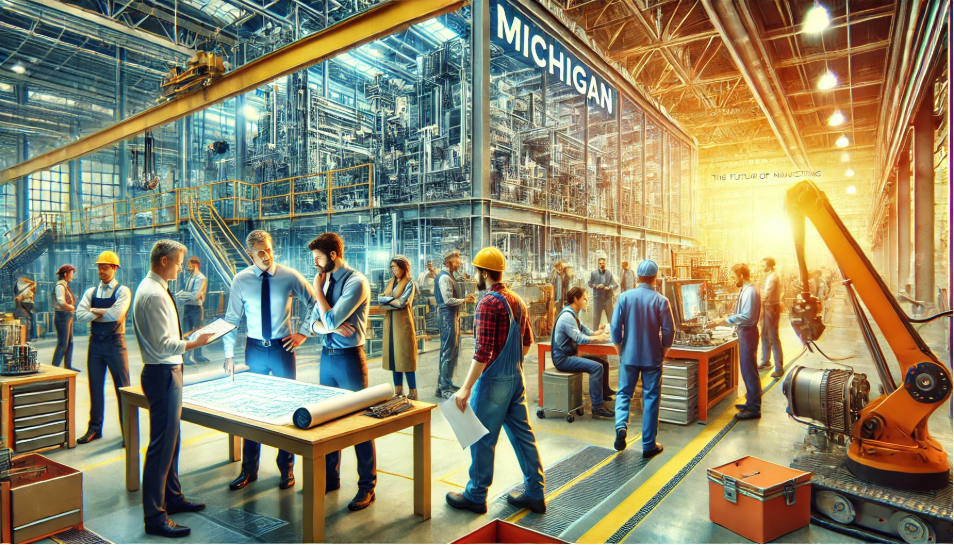
Open post view of an industrial park in Southeast Michigan, home to automotive and EV parts manufacturing suppliers.

Why Michigan’s EV Boom Creates Opportunities for Precision Metal Fabricators

The electric vehicle transformation reshaping Michigan’s automotive industry creates distinct opportunities for precision metal fabricators positioned to serve emerging supply chain requirements. While headlines focus on multi-billion-dollar battery plant investments and vehicle assembly expansions, the component ecosystem supporting these facilities requires thousands of precision-cut parts that established fabricators can produce. Understanding where opportunities exist within this transformation helps shops prioritize capability development and customer acquisition efforts.

Michigan has secured billions in EV parts manufacturing projects, with the Michigan Economic Development Corporation documenting the state’s aggressive pursuit of electric vehicle leadership. Since 2019, Michigan has created over 35,000 auto jobs through investments from General Motors, Ford, LG Energy Solution, and other manufacturers building the domestic EV supply chain. This concentration of investment creates density advantages where fabricators can serve multiple customers without geographic dispersion diluting operational focus. Examining Michigan Leads Nation in EV Manufacturing Investment as Automotive Supply Chain Transforms provides broader context for understanding these market dynamics.

Component Demand Shifts But Fabrication Remains Essential

Electric vehicles eliminate certain traditional automotive components while creating demand for new categories. Battery enclosures, motor housings, power electronics cases, and thermal management systems all require precision metal fabrication. The materials and tolerances differ from internal combustion engine components, but fundamental manufacturing processes remain relevant. Fabricators who adapt capabilities to serve new specifications can transition customer relationships from legacy to electrified vehicle programs.

Recent industry partnerships demonstrate the component complexity driving supply chain requirements. As reported by Light Metal Age, Novelis, Shape Corp., and Metalsa announced a March 2025 partnership to develop roll-formed aluminum EV battery enclosures utilizing high-recycled content alloys. The collaboration combines expertise across advanced roll forming, next-generation alloy development, and precision assembly to deliver lightweight solutions meeting automotive crash and thermal requirements. Such partnerships indicate the sophisticated component specifications that fabricators must satisfy to participate in EV supply chains.

Battery enclosure fabrication represents one of the largest emerging component categories. These structures must protect battery cells from road debris and collision impacts while managing thermal loads during fast charging. Aluminum dominates current designs for its favorable strength-to-weight ratio and thermal conductivity, though multi-material approaches incorporating composites are emerging for next-generation applications. Fabricators capable of precision cutting aluminum while preserving material properties position themselves for this growing market segment.

Quality Standards Intensify as Production Scales

Automotive quality requirements for EV components frequently exceed traditional manufacturing specifications. Battery enclosure tolerances must ensure proper cell positioning and thermal interface contact across large surface areas. Motor housing dimensions must maintain air gaps within specifications to achieve designed electromagnetic performance. These requirements push fabricators toward equipment and processes capable of consistent precision rather than batch-to-batch variation.

Traceability requirements throughout EV supply chains demand documentation capabilities that some fabricators lack. Material certifications, process parameters, dimensional inspection results, and manufacturing dates must connect to individual components or production lots. Digital systems enabling this traceability become prerequisites for supplier qualification rather than competitive differentiators. Fabricators pursuing EV component business must invest in quality infrastructure regardless of their technical cutting capabilities.

Selecting appropriate cutting technology for specific applications becomes increasingly important as specifications tighten. Understanding Laser Cutting vs. Waterjet: Choosing the Right Process for Automotive and EV Components helps fabricators match process capabilities to customer requirements. Battery components sensitive to thermal effects may require waterjet cutting, while high-volume motor laminations favor laser processing for throughput efficiency.
Regional Advantages Support Local Suppliers

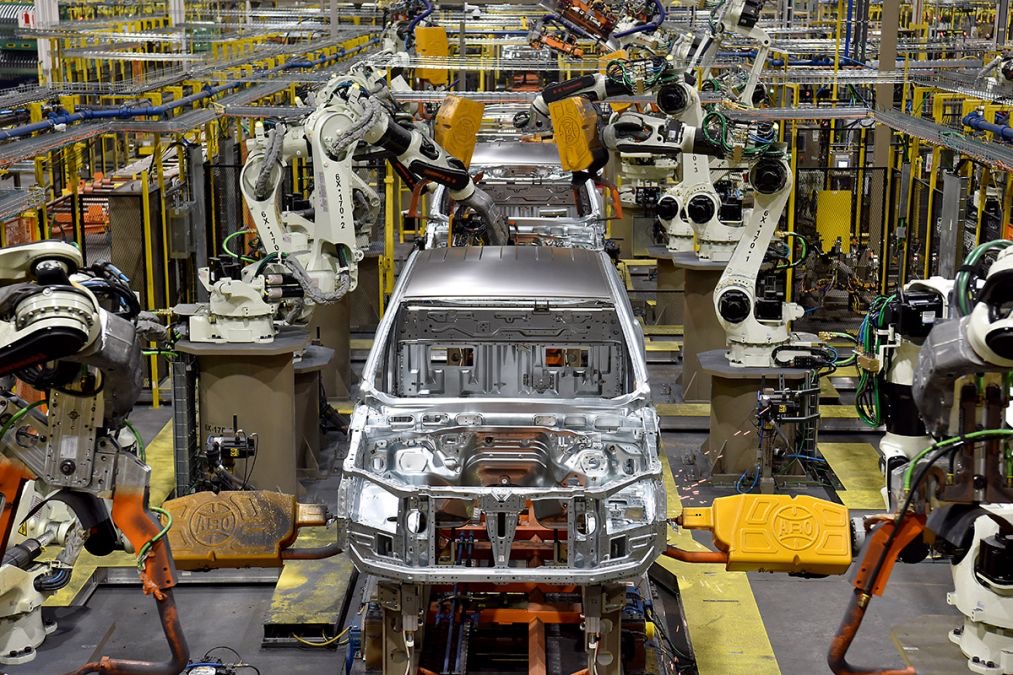
Michigan fabricators benefit from proximity to engineering teams specifying components and qualifying suppliers. Face-to-face collaboration during prototype development and production ramp accelerates problem resolution compared to remote supplier relationships. The ability to deliver sample quantities quickly for testing enables faster iteration cycles that compressed vehicle development timelines demand.

Transportation economics favor regional suppliers for bulky components where shipping costs represent significant percentages of part value. Battery enclosures and motor housings qualify as such components, creating natural advantages for fabricators located within reasonable trucking distance of assembly plants. Just-in-time delivery requirements for production components further advantage nearby suppliers who can respond to schedule changes without lead time penalties.

Major manufacturers continue expanding Michigan operations, with General Motors, Ford, and LG Energy Solution all announcing multi-billion-dollar investments in battery and EV production facilities across the state. This timeline creates urgency for fabricators seeking to establish supplier relationships before production ramps saturate available capacity. Early movers who develop capabilities and relationships during facility construction phases position themselves advantageously as volume requirements materialize.

Capability Development Priorities

Material capabilities represent the most fundamental requirement for EV parts manufacturing. Aluminum cutting without thermal distortion or edge property degradation addresses battery enclosure requirements. Copper cutting supports motor component and busbar applications. Specialty alloys and composites emerging in next-generation designs require process validation before production commitments.

Secondary operations differentiate fabricators competing for complete component business. Deburring, tapping, countersinking, bending, and welding transform cut blanks into finished parts ready for assembly. Fabricators offering these capabilities capture more value per component while simplifying customer supply chain management. Surface finishing requirements for corrosion protection or aesthetic purposes add further differentiation opportunities.

Equipment capacity and scalability matter as production volumes ramp. Prototype suppliers capable of hundreds of pieces annually cannot serve programs requiring thousands weekly without investment in additional equipment and workforce. Understanding target customer production trajectories helps fabricators plan capacity investments appropriately.

Motor City Metal Fab: Your Precision Cutting Partner

Motor City Metal Fab provides precision laser and waterjet cutting from our Taylor, Michigan facility, serving automotive and manufacturing customers throughout Southeast Michigan. Our capabilities span aluminum, stainless steel, mild steel, and specialty materials with secondary operations including deburring, tapping, countersinking, bending, welding, and surface finishing.

Our Services Include:

  • Laser and Waterjet Cutting Services – Materials up to 60 by 120 inches, thicknesses to 1 inch for metals, plus stone, glass, ceramics, composites, plastics, rubber, and foam

Ready to Discuss Your Project? Contact Motor City Metal Fab to explore how our precision cutting and secondary operation capabilities can support your EV component requirements.

Works Cited

“Michigan a Top State for Electric Vehicle & Battery Investments, Bringing Home $16.6 Billion, Creating 16,300 Good-Paying Jobs.” Michigan Economic Development Corporation, 14 Mar. 2023, www.michiganbusiness.org/press-releases/2023/03/top-state-for-ev-battery/. Accessed 24 Nov. 2025.

“Novelis, Shape Corp., and Metalsa Partner to Develop EV Battery Enclosures.” Light Metal Age Magazine, 12 Mar. 2025, www.lightmetalage.com/news/industry-news/automotive/novelis-shape-corp-and-metalsa-partner-to-develop-ev-battery-enclosures/. Accessed 24 Nov. 2025.

Related Articles


Open post A modern ev supply chain facility in Michigan, representing the state's leading investment in EV manufacturing transformation.

Michigan Leads Nation in EV Manufacturing Investment as Automotive Supply Chain Transforms

Michigan has emerged as the undisputed leader in domestic electric vehicle manufacturing investment, securing more than $27 billion across approximately 60 EV and battery projects. This commanding position places the state ahead of Georgia’s $26.6 billion and establishes the birthplace of the modern automobile industry as central to its electrified future and the evolving EV supply chain. For precision manufacturers throughout Southeast Michigan, this transformation signals both unprecedented opportunity and urgent adaptation requirements.

The scale of investment flowing into Michigan reflects deliberate strategic positioning by automakers who recognize the state’s unique combination of engineering talent, supplier networks, and manufacturing infrastructure. According to comprehensive tracking by Atlas Public Policy, total announced U.S. EV manufacturing investment reached $208.8 billion from 2000 through September 2024, with $157.3 billion and 163,700 jobs announced after passage of the Infrastructure Investment and Jobs Act in November 2021. Michigan’s share of this investment demonstrates the state’s continued relevance in an industry undergoing its most significant transformation in a century.

Supply Chain Demands Reshape Regional Manufacturing

The EV transition fundamentally alters component requirements throughout ev supply chains. Electric motors replace internal combustion engines, battery packs substitute for fuel systems, and power electronics supplant traditional drivetrain components. These changes create demand for precision-cut aluminum battery enclosures, copper motor components, and specialized housings that require tolerances traditional stamping operations cannot consistently achieve. Understanding Laser Cutting vs. Waterjet: Choosing the Right Process for Automotive and EV Components becomes essential for manufacturers positioning themselves within these evolving supply networks.
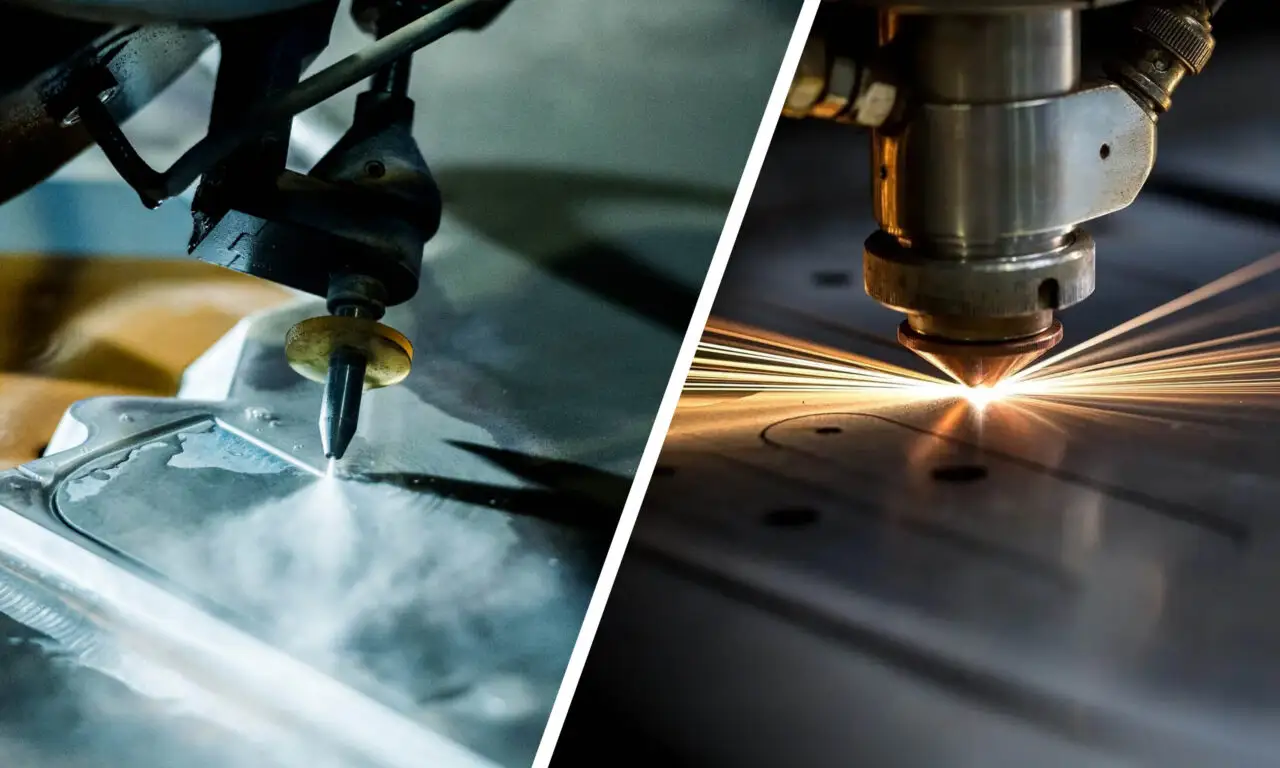
Battery enclosure manufacturing represents one of the most significant growth areas within Michigan’s EV ecosystem. These structures must protect battery cells from road debris and collision impacts while managing thermal loads during charging and operation. Aluminum dominates current designs due to its favorable strength-to-weight ratio and thermal conductivity, requiring precision cutting capabilities that preserve material properties without introducing heat-affected zones that could compromise structural integrity.

Global electric vehicle momentum continues accelerating despite periodic market uncertainty. The International Energy Agency’s Global EV Outlook 2025 reports that global EV sales exceeded 17 million in 2024, representing more than 20 percent of total car sales worldwide. The additional 3.5 million electric cars sold in 2024 compared with 2023 exceeds total global EV sales from 2020, demonstrating the exponential growth trajectory manufacturers must accommodate.

Workforce and Regional Manufacturing Advantages

Michigan’s manufacturing workforce brings generations of automotive knowledge that translates directly to EV production requirements. Precision machining skills, quality control disciplines, and supplier management capabilities developed through a century of automotive manufacturing provide foundations that newer manufacturing regions cannot quickly replicate. The concentration of engineering talent within commuting distance of major production facilities enables rapid problem-solving and continuous improvement cycles that distributed electric vehicle supply chain struggle to match.

Regional suppliers benefit from proximity to design engineering teams who specify components and validate production processes. Prototype development and low-volume production capabilities become increasingly valuable as automakers accelerate vehicle development timelines while expanding platform variants. The ability to produce sample components quickly for testing and validation creates competitive advantages that transcend simple cost comparisons. For fabricators evaluating their position within this shifting landscape, exploring Why Michigan’s EV Boom Creates Opportunities for Precision Metal Fabricators provides strategic perspective on capability development priorities.

Federal policy support continues reinforcing domestic manufacturing investment. The Atlas Public Policy analysis documents more than $28 billion in federal grants, tax credits, and loans awarded through September 2024 specifically supporting EV and battery manufacturing facilities. Eighty percent of announced investments concentrate in just ten states, with Michigan, Georgia, North Carolina, Tennessee, Indiana, South Carolina, Nevada, Ohio, Kentucky, and California capturing the overwhelming majority of project commitments. Seventy-six percent of announced facilities are either operational or under construction as of October 2024, indicating these investments represent concrete manufacturing capacity rather than speculative announcements.

Market Dynamics and Component Opportunities

China continues dominating global EV production, accounting for approximately 70 percent of worldwide manufacturing capacity. This concentration creates ev supply chain vulnerabilities that policy initiatives seek to address through domestic production incentives. The IEA projects that EV sales will exceed 20 million units globally in 2025, with China potentially reaching 60 percent domestic EV sales share by year end. These growth trajectories ensure sustained demand for precision components regardless of near-term market fluctuations in any single region.

For precision fabricators in Southeast Michigan, the EV transition presents clear imperatives. Capabilities in cutting aluminum, copper, and specialized alloys position shops to serve battery enclosure, motor component, and power electronics applications. Tolerance requirements exceeding traditional automotive stamping create openings for fabricators whose equipment and processes can consistently achieve these specifications. Quality certifications and traceability systems meeting automotive industry requirements become table stakes for supplier qualification.

The transformation underway in Michigan manufacturing represents both challenge and opportunity. Suppliers who develop capabilities aligned with EV component requirements position themselves for growth alongside the industry’s electrification. Those who wait for market signals before investing in capability development may find themselves displaced by competitors who acted earlier.

Motor City Metal Fab: Your Precision Cutting Partner

Motor City Metal Fab delivers precision laser and waterjet cutting services from our Taylor, Michigan facility, serving automotive prototype shops, aftermarket suppliers, and manufacturers throughout Southeast Michigan. Our capabilities in aluminum, stainless steel, and specialty materials position us to support ev supply chain strategy component development and production requirements.

Our Services Include:

Ready to Discuss Your Project? Contact Motor City Metal Fab to explore how our precision cutting capabilities can support your manufacturing requirements.

Works Cited

“Global EV Outlook 2025.” International Energy Agency, IEA, 2025, www.iea.org/reports/global-ev-outlook-2025. Accessed 24 Nov. 2025.

Taylor, Tom, et al. “Tracking the State of U.S. EV Manufacturing.” Atlas Public Policy and BlueGreen Alliance Foundation, Jan. 2025, atlaspolicy.com/wp-content/uploads/2025/01/Tracking-the-State-of-U.S.-EV-Manufacturing.pdf. Accessed 24 Nov. 2025.

Related Articles


Open post Comparison diagram of laser cutting vs. waterjet cutting for automotive and electric vehicle components.

Laser Cutting vs. Waterjet: Choosing the Right Process for Automotive and EV Components

The surge in electric vehicle manufacturing creates urgent demand for precision-cut components across battery enclosures, motor housings, and structural assemblies. Manufacturers selecting fabrication partners must understand fundamental differences between laser and waterjet cutting technologies to specify appropriate processes for their applications. Material properties, tolerance requirements, production volumes, and thermal sensitivity all influence optimal process selection for automotive and EV component manufacturing.

Both technologies have evolved substantially as manufacturers invest in advanced capabilities. The global laser cutting machines market reached approximately $4.2 billion in 2024 and is projected to grow to $7.3 billion by 2034, reflecting a compound annual growth rate of 6.5 percent according to market research from Exactitude Consultancy. This expansion stems largely from automotive, aerospace, and electronics sectors demanding increasingly precise cutting capabilities. Understanding how Michigan Leads Nation in EV Manufacturing Investment as Supply Chain Transforms provides context for regional fabricators evaluating technology investments.

Laser Cutting: Speed and Precision for Metals

Fiber laser cutting delivers exceptional speed and precision on metals within its thickness range, making it the preferred technology for high-volume production of steel and aluminum components. Modern fiber lasers achieve cutting speeds that dramatically outpace older CO2 systems while consuming less energy and requiring reduced maintenance. These efficiency gains translate directly to lower per-piece costs for production applications where laser cutting suits the material and geometry requirements.

Laser cutting introduces heat into the workpiece at the cut edge, creating a heat-affected zone where material properties may change. For many automotive applications, this heat-affected zone remains acceptably small and creates no functional concerns. However, certain materials and applications require cold cutting processes that preserve original material properties throughout the entire part. Battery components and thermal management systems sometimes fall into this category where metallurgical consistency matters across the complete surface area.

Thin to medium-thickness metals represent laser cutting’s sweet spot. Mild steel up to one inch, stainless steel to three-quarters inch, and aluminum to half-inch thickness cut efficiently on fiber laser systems. Beyond these ranges, cut quality diminishes and speed advantages erode relative to alternative processes. The precision achievable—typically plus or minus 0.005 inches—satisfies most automotive tolerance specifications for sheet metal components.

Waterjet Cutting: Versatility Without Heat

Waterjet cutting uses a high-pressure stream of water mixed with abrasive garnet to erode material without introducing heat. This cold cutting process preserves material properties at the cut edge, eliminating heat-affected zones that could affect component performance. The waterjet cutting machine market reached $1.86 billion in 2025 and is expected to reach $2.39 billion by 2030 at a 5.14 percent CAGR according to Mordor Intelligence analysis, with automotive producers representing 27.5 percent of 2024 market turnover as EV manufacturing drives demand for cutting hard-to-machine alloys.

Material versatility distinguishes waterjet technology from laser alternatives. Waterjet cuts virtually any material—metals, glass, stone, ceramics, composites, rubber, and foam—using identical equipment and setup procedures. This flexibility proves valuable for fabricators serving diverse customer bases or for manufacturers whose component mix spans multiple material categories. Single-source fabrication capability simplifies supply chain management and quality control processes.

Waterjet cutting excels on thick materials where laser efficiency diminishes. Stacked cutting of multiple thin sheets achieves production efficiencies for high-volume applications. The absence of thermal effects makes waterjet essential for materials sensitive to heat, including certain aluminum alloys used in battery enclosures where edge properties must match base material specifications precisely. Examining Why Michigan’s EV Boom Creates Opportunities for Precision Metal Fabricators helps manufacturers understand how these capabilities align with emerging component requirements.

Application-Specific Selection Criteria

Battery enclosure fabrication increasingly favors waterjet cutting for aluminum components where thermal sensitivity and edge quality requirements exceed laser cutting capabilities. The aluminum alloys specified for crashworthiness and thermal management often require cold cutting to maintain properties throughout the component. Complex geometries with internal cutouts benefit from waterjet’s omni-directional cutting capability and consistent edge quality regardless of cut direction.

Motor lamination stacks present different requirements favoring laser cutting’s speed advantages on thin electrical steel. Production volumes for motor components typically justify dedicated tooling and optimized processes where laser’s throughput advantages compound across thousands of units. The heat-affected zone on lamination edges, while present, remains small enough that motor performance stays within specifications for most designs.

Prototyping and low-volume production often favor waterjet cutting regardless of material. Setup flexibility and material versatility enable fabricators to produce sample quantities without programming delays or tooling changes that add cost and time to prototype cycles. The ability to cut any material on the same equipment supports rapid iteration during product development phases where material specifications may change between prototype rounds.

Quality and Integration Considerations

Edge quality requirements vary by application and subsequent manufacturing processes. Components requiring welding may benefit from laser cutting’s consistent kerf width and perpendicular edges. Parts destined for assembly without secondary operations may require waterjet’s burr-free edges that eliminate deburring steps. Understanding downstream processes helps specify appropriate cutting technology for each component.

Production integration increasingly demands digital connectivity between cutting equipment and manufacturing execution systems. Modern laser and waterjet equipment supports data exchange enabling real-time production monitoring, predictive maintenance, and quality traceability. These capabilities matter for automotive supply chains requiring documentation of process parameters for each component produced.

The choice between laser and waterjet cutting ultimately depends on specific application requirements rather than blanket technology preferences. Fabricators offering both technologies provide customers with access to optimal processes for each component without single-source limitations. This capability alignment serves manufacturers whose product mix spans materials and specifications suited to different cutting technologies.

Motor City Metal Fab: Your Precision Cutting Partner

Motor City Metal Fab operates both laser and waterjet cutting systems from our Taylor, Michigan facility, enabling process selection optimized for each customer’s specific requirements. Our capabilities span metals, stone, glass, ceramics, composites, plastics, rubber, and foam materials with tolerances meeting automotive industry specifications.

Our Services Include:

  • Laser and Waterjet Cutting Services – Laser tolerances to ±0.005 inches, waterjet tolerances to ±0.010 inches, materials up to 60 by 120 inches, plus secondary operations including deburring, tapping, and welding

Ready to Discuss Your Project? Contact Motor City Metal Fab to determine which cutting process best serves your component requirements.

Works Cited

“Laser Cutting Machines Market.” Exactitude Consultancy, Mar. 2025, exactitudeconsultancy.com/reports/laser-cutting-machines-market/. Accessed 24 Nov. 2025.

“Waterjet Cutting Machine Market Size, Growth, Share & Forecast Report 2030.” Mordor Intelligence, June 2025, www.mordorintelligence.com/industry-reports/global-waterjet-cutting-machine-market-growth-trends-and-forecast-2020-2025. Accessed 24 Nov. 2025.

Related Articles


Open post

The Automotive Aftermarket Industry: Why Motor City Metal Fab is Essential

The Strength of the Automotive Aftermarket Industry

The automotive aftermarket industry stands as a powerhouse of innovation, customization, and performance enhancement. Enthusiasts, repair shops, and manufacturers depend on precision-engineered parts to upgrade, restore, and optimize vehicles. From high-performance modifications to necessary replacement components, this industry guarantees that vehicles operate at peak efficiency and meet the specific needs of their owners.

Motor City Metal Fab  (MCMF) serves a key function in this industry by providing high-quality metal fabrication, machining, and finishing services. With modern technology and a team of skilled professionals, we produce components that exceed industry standards, supporting aftermarket manufacturers, performance shops, and individuals striving for excellence in their builds.

The Necessary Function of Metal Fabrication in Automotive Aftermarket

Custom fabrication forms the core of the automotive aftermarket. Performance upgrades, chassis modifications, and structural reinforcements all require precision-crafted components that guarantee durability and performance. At MCMF, we focus on a range of advanced fabrication techniques that meet the evolving demands of this dynamic industry.

Metal fabrication forms the foundation of high-performance aftermarket parts, offering the ability to create custom solutions shaped to specific vehicle needs. This includes strengthening a chassis for high-speed racing, designing aerodynamic body kits, or crafting high-precision engine components – fabrication holds a key function in improving vehicle performance and aesthetics. 

With innovations in materials and manufacturing processes, today’s aftermarket industry relies on advanced fabrication techniques to push the boundaries of speed, safety, and efficiency. At MCMF, we combine cutting-edge technology with expert craftsmanship to produce parts that not only meet but exceed the expectations of aftermarket professionals and automotive enthusiasts.

Laser and Waterjet Cutting for Precision and Performance

Every aftermarket modification depends on components that fit perfectly and function flawlessly. Our laser and waterjet cutting services offer superior precision for creating intricate brackets, panels, and other necessary components. By utilizing advanced cutting technology, we produce clean, accurate cuts on materials such as aluminum, stainless steel, and carbon steel, guaranteeing seamless integration into any aftermarket application.

  • Performance Parts: Custom engine mounts, aerodynamic panels, and structural reinforcements benefit from precise cutting methods.
  • Restoration Components: Classic car enthusiasts require exact replicas of original parts, which we manufacture with unparalleled accuracy.
  • Customization Projects: Unique builds demand tailored components, which we deliver with precision and consistency.

Metal Forming and Tube Bending for Custom Builds

The automotive aftermarket industry depends on precision bending and forming for applications such as roll cages, exhaust systems, and frame modifications. Our CNC tube bending technology allows us to create complex bends which maintain the structural integrity of the material.

  • Roll Cages & Safety Structures: These remain necessary for motorsports and off-road applications, our precision-bent tubing improves safety and durability.
  • Exhaust Systems: We manufacture smooth, efficient bends to optimize exhaust flow and vehicle performance.
  • Chassis & Suspension Components: Custom frame and suspension modifications require expert bending and forming to meet performance demands.

CNC Machining: Improving Aftermarket Performance

Performance and durability stand paramount in aftermarket components. Our CNC machining capabilities, including 3, 4, and 5-axis milling as well as lathe turning, allow us to create high-precision parts that add to improved engine efficiency, aerodynamics, and overall vehicle strength.

  • Engine Components: Custom brackets, pulleys, and intake manifolds improve performance and reliability.
  • Aerospace-Grade Precision: Our machining guarantees that every part meets tight tolerances, resulting in consistent and repeatable performance.
  • High-Strength Materials: We work with aluminum, titanium, and hardened steel to manufacture components that withstand extreme conditions.
  • Suspension & Drivetrain Components: Precision-machined control arms, differential mounts, and driveshaft yokes improve vehicle handling and power transfer.
  • Performance Improvements: CNC machining allows us to create custom turbo flanges, throttle bodies, and lightweight structural components for high-performance builds.

Expert Welding and Fabrication for High-Performance Vehicles

High-performance automotive applications require expert welding to guarantee strength and longevity. Our team of highly skilled fabricators focuses on MIG, TIG, and robotic welding, producing roll cages, reinforced frames, and structural reinforcements tailored to the demanding requirements of the aftermarket industry.

  • Motorsports & Racing: Race cars demand lightweight yet durable components, which we manufacture with expert precision.
  • Off-Road & Utility Vehicles: We fabricate custom bumpers, skid plates, and reinforcements to withstand rugged terrain.
  • Performance Improvements: This includes reinforcing suspension components or fabricating custom exhaust headers, our welding services deliver unmatched reliability.

We take pride in our welding expertise, making certain every joint and weld is structurally sound and aesthetically clean. Our services cater to high-performance applications, delivering unparalleled strength and quality in every component. From aluminum intercooler piping to steel subframes, our welding solutions guarantee lasting durability and performance.

Improving Durability and Aesthetics

Once components are cut, formed, and welded, they require superior finishing to guarantee longevity and resistance to environmental factors. The automotive aftermarket demands high-quality coatings that protect against corrosion, wear, and extreme conditions. At MCMF, we offer a range of finishing services that both improve durability and elevate the visual appeal of aftermarket parts.

Our expert finishing techniques make certain that every component receives protection from rust, UV damage, and general wear and tear, making them suitable for both high-performance and aesthetic applications. If you want a sleek, polished finish or a rugged, corrosion-resistant coating, our finishing solutions provide the perfect balance of protection and style.

Powder Coating for Maximum Protection

Powder coating stands as an excellent choice for improving the durability and longevity of aftermarket parts. Its superior resistance to chipping, heat, and harsh chemicals makes it a go-to finish for high-performance applications. It protects parts from the elements, plus adds a sleek, uniform look to any project.

  • Suspension Components: Powder-coated finishes offer superior protection for control arms, coil springs, and stabilizer bars, making certain of smooth performance in tough conditions.
  • Custom Wheels & Accessories: Durable coatings improve the appearance and longevity of custom wheels and performance parts, giving them a polished and lasting finish.
  • Underbody Protection: Powder coating prevents corrosion in exposed chassis and frame components, significantly extending the lifespan of your vehicle’s undercarriage.

From improving the look to adding a protective layer, powder coating provides a robust solution for aftermarket parts, making certain they withstand even the harshest conditions.

Media Blasting for Optimal Surface Preparation

Achieving a flawless finish starts with proper surface preparation. Our media blasting process removes rust, paint, and contaminants, making certain of optimal adhesion for coatings and finishes.

  • Restoration Projects: Classic vehicle restorations require surface preparation to achieve a factory-quality finish.
  • High-Performance Applications: Performance parts benefit from thorough preparation, which helps coatings withstand extreme conditions.
  • Corrosion Prevention: Proper blasting techniques improve durability by eliminating oxidation before coating applications.

Serving the Custom and Performance Markets

Beyond fabrication and finishing, the automotive aftermarket depends on trusted suppliers who grasp the importance of precision and performance. MCMF partners with custom builders, performance shops, and restoration specialists to provide tailored solutions that align with the industry’s highest standards.

  • Custom Car Builds: We produce precision-machined and fabricated components for hot rods, muscle cars, and one-of-a-kind custom projects.
  • Performance Upgrades: Our services help manufacturers push the limits of speed, aerodynamics, and durability.
  • Classic Car Restorations: We recreate original parts using modern techniques, making certain of seamless integration into restoration projects.
  • Off-Road & Utility Vehicle Improvements: Our durable components withstand the toughest conditions and provide reliability in extreme environments.

Why Aftermarket Professionals Choose MCMF

The automotive aftermarket industry demands expertise, precision, and consistency. MCMF stands out as a leader in aftermarket fabrication and machining by providing:

  • Advanced Technology: Our CNC machining, laser cutting, and welding capabilities guarantee precision and repeatability.
  • Unmatched Craftsmanship: Our experienced fabricators and machinists bring years of expertise to every project.
  • Comprehensive Solutions: From prototyping to large-scale production, we handle every step of component manufacturing.
  • Commitment to Quality: We follow stringent quality control measures, making certain every part meets or exceeds industry standards.
  • Dedicated Customer Support: Our team works closely with clients to develop solutions tailored to their needs.

Your Partner in Automotive Aftermarket Manufacturing

From small performance shops to restoration specialists to large-scale aftermarket manufacturers, MCMF provides the components that fuel innovation and performance. Our commitment to precision, reliability, and customer satisfaction makes us a necessary partner in the automotive aftermarket industry. We offer end-to-end solutions, from design and prototyping to final production, making certain that our clients receive the best quality components for their needs. With a focus on efficiency and cutting-edge technology, we always invest in advanced manufacturing methods to stay ahead in the constantly changing aftermarket sector.

Contact MCMF for Your Next Aftermarket Project

Need precision-crafted components to improve your aftermarket automotive projects?

Motor City Metal Fab delivers unmatched expertise, technology, and craftsmanship to bring your vision to life. Contact Motor City Fab today to discuss your project and see how our fabrication and machining services can improve your build.

FAQs

What function does metal fabrication serve in the automotive aftermarket industry? Metal fabrication remains necessary for creating custom parts, structural reinforcements, and performance upgrades. It allows manufacturers, restoration specialists, and performance shops to develop high-quality, durable components for vehicles.

How does CNC machining improve aftermarket automotive parts? CNC machining guarantees high precision, repeatability, and durability in aftermarket components. It allows for tight tolerances and custom designs in engine parts, brackets, suspension components, and more.

Why are laser and waterjet cutting important for automotive modifications? Laser and waterjet cutting deliver precision and clean edges, making them ideal for cutting intricate parts like brackets, panels, and custom vehicle components with minimal material waste.

What types of metal forming and tube bending services does MCMF offer? MCMF provides precision tube bending for roll cages, exhaust systems, and chassis modifications. Our advanced metal forming techniques create durable and high-performance components for custom builds.

What benefits does powder coating bring to the automotive aftermarket? Powder coating improves durability, corrosion resistance, and aesthetics of aftermarket parts. It provides a long-lasting, chip-resistant finish for suspension components, wheels, and underbody parts.

How does media blasting improve the quality of aftermarket automotive parts? Media blasting removes rust, old coatings, and contaminants, making certain of a clean surface for paint or powder coating. It remains important for restoration projects and performance applications where a flawless finish is required.

What types of welding does MCMF focus on for automotive applications? MCMF focuses on MIG, TIG, and robotic welding, guaranteeing strong, durable welds for roll cages, chassis reinforcements, exhaust systems, and other high-performance components.

How does MCMF support classic car restoration projects? We recreate original parts with modern fabrication techniques, making certain of seamless integration which maintains the classic look and feel of vintage vehicles.

Does MCMF provide services for off-road and motorsports applications? Yes, we manufacture custom components for off-road vehicles and race cars, including reinforced bumpers, skid plates, roll cages, and suspension modifications designed for extreme conditions.

How can I work with MCMF on my custom aftermarket project? Contact us with your project details, and our team will work with you to develop precision-crafted components that meet your specifications and performance goals.

Open post Automated welding production line showing cost reduction through robotic precision at Detroit metal fabrication facility

Exploring the Potential of 3D Printing in Metal Fabrication


Metal 3D printing has opened up a world of possibilities in manufacturing, allowing for the creation of complex, high-performance metal parts. At Motor City Metal Fab, we see how these advancements in the future of metal 3D printing in manufacturing complement traditional metal fabrication services, including Powder Bed Fusion (Selective Laser Melting), Directed Energy Deposition, Binder Jetting, and Metal Extrusion. Each offer unique advantages and cater to different applications. As this technology continues to evolve, we can expect even more exciting developments and advancements in the realm of metal 3D printing.

Key Takeaways

  • Metal 3D printing enables the creation of complex parts that were previously impossible for standard industrial fabrication services in Detroit to manufacture.
  • Various types of metal 3D printing processes, such as Powder Bed Fusion, Directed Energy Deposition, and Binder Jetting, cater to different applications and offer unique advantages.
  • The technology streamlines existing manufacturing workflows and opens up new opportunities for production, enhancing both innovation and efficiency.
  • Research and development focus on optimizing metal powders and refining process parameters to match the high standards of professional Welding and Fabrication Services in Detroit.
  • The adoption of metal 3D printing is increasing across various industries, including aerospace, where it is used to produce components like fuel nozzles and structural parts.

The Evolution of Metal 3D Printing Technologies

Metal 3D printing technologies have undergone significant evolution in recent years, with advancements in materials, processes, and equipment. New technologies such as selective laser sintering (SLS) and electron beam melting (EBM) have enabled the production of complex parts with improved properties. These advancements have expanded the scope of what is possible in the field of metal fabrication services in Detroit.

Historical Milestones

The historical origin of 3D printing lies in R&D performed in the 1980s when the co-founder of 3D Systems, Chuck Hull, invented stereolithography (SLA) in 1983. This marked the beginning of a new era in manufacturing, allowing for the creation of complex geometries that were previously impossible to achieve. The development of 3D printing technologies has since evolved rapidly, with significant advancements in both materials and processes.

Current State of the Art

Today, metal 3D printing is in increasingly widespread adoption across the most demanding manufacturing sectors. The technology has matured significantly, often working alongside traditional Welding and Fabrication Services in Detroit to produce high-performance components. Various types of metal 3D printing, including Powder Bed Fusion, Directed Energy Deposition, and Binder Jetting, each offer unique advantages and cater to different applications. The integration of multiple materials within a single build process is also becoming more common, allowing for hands-free fabrication of increasingly complex parts and finished products.

Future Prospects

The future of 3D metal printing looks promising, with ongoing research and development aimed at further improving the technology. Innovations in 3D printing materials and techniques are expected to enhance the reliability and scalability of industrial metal 3D printing. As the cost-effectiveness of these technologies continues to improve, manufacturers will inevitably adopt them more widely. The potential for multi-material printing and the integration with other technologies will likely drive the next wave of advancements in this field.

Industrial waterjet cutting thick aluminum; one of the key benefits of CNC laser and waterjet technology

Types of Metal 3D Printing Processes

Metal 3D printing has revolutionized the manufacturing industry, enabling the creation of complex parts with unparalleled precision. This groundbreaking technology offers a range of techniques that complement established industrial fabrication services. While 3D printing handles complex geometries, traditional tig welding services in Detroit remain essential for final structural integration.

Advantages of Metal 3D Printing

The future of metal 3D printing in manufacturing in Detroit has opened up a world of possibilities in manufacturing, allowing for the creation of complex, high-performance metal parts. The various types of metal 3D printing, including Powder Bed Fusion (Selective Laser Melting), Directed Energy Deposition, Binder Jetting, and Metal Extrusion, each offer unique advantages and cater to different applications. As this technology continues to evolve, we can expect even more exciting developments and advancements in the realm of metal 3D printing.

Applications in Aerospace

The aerospace industry has embraced 3D printing to create lightweight parts. Using this technology, manufacturers can create parts with intricate geometries that were once a challenge for standard metal fabrication services in Detroit.

Fuel Nozzles

3D printing, particularly with metals, is increasingly being used in the manufacture of rockets. The technology is enabling engineers to innovate the design of rocket parts and manufacture them in a shorter time frame. One example of this is an injector head for the Ariane 6 launcher, developed by Ariane Group, a joint venture of Airbus Group and Safran.

Structural Components

In aerospace, making interior aircraft parts with additive manufacturing permits designers to trim weight. This process reduces the number of components in assemblies that would traditionally require extensive Welding and Fabrication Services in Detroit, minimizing potential points of failure and improving reliability.

Thermal Management Systems

3D printing technologies are being used to produce components for satellites, spacecraft, and launch vehicles. Orbital manufacture (i.e., outside the Earth’s atmosphere) on-demand will reduce the need for launches—a key need in expected longer-duration missions. Aerospace and military companies achieve greater supply-chain resilience by enabling localized production of highly advanced spare parts and components, minimizing potential supply-chain disruptions.

Challenges in Metal 3D Printing

Metal 3D printing faces several challenges, including high costs, limited material options, and the need for post-processing. Additionally, the technology requires specialized expertise, similar to the high skill level required for professional tig welding services in Detroit, which can be a barrier for some manufacturers..

Material Limitations

One of the primary challenges in metal 3D printing is the limited range of materials that can be effectively used. While research is burgeoning in the range of metal alloys that can be 3D printed, optimizing existing metal powders for specific applications remains a significant hurdle. The refining of process parameters and optimization of printing conditions are crucial to deliver higher precision and improved surface quality. However, the handling difficulties and hazards associated with metal particles also pose substantial challenges.

Post-Processing Requirements

Post-processing is a critical aspect of metal 3D printing. The process often requires extensive post-processing steps to achieve the desired surface finish and mechanical properties. This includes heat treatment, machining, and surface finishing, which can be time-consuming and costly. The integration of these steps is essential to reduce lead times in modern metal fabrication services in Detroit.

High-tolerance metal parts produced by our professional laser & waterjet cutting services

Cost Factors

The cost of metal 3D printing is another significant challenge. The high cost of metal powders, combined with the expenses associated with advanced 3D printers, makes the technology less accessible for small and medium-sized enterprises. Additionally, the energy consumption of metal 3D printers is relatively high, further contributing to the overall cost. Despite these challenges, the potential for cost reduction through advancements in technology and economies of scale remains promising.

Innovations in Metal Alloys for 3D Printing

Innovations in metal additive manufacturing are driving significant advances in the scope, applicability, and cost of 3D printing. Material innovations in the 3D printing sector are resulting in new metal alloys with improved strength, durability, and corrosion resistance. The nature of 3D printing is unlike melt processing, allowing for the use of graded alloys and high-entropy alloys (HEAs), which cannot form a solution in traditional melt processing. Research is burgeoning in the range of metal alloys that can be 3D printed, with efforts to optimize existing metal powders for specific applications and to reduce costs and handling difficulties. The refining of process parameters and optimization of printing conditions deliver higher precision, improved surface quality, and greater dimensional accuracy.

Impact on Traditional Manufacturing Workflows

Metal 3D printing is transforming traditional manufacturing workflows by enabling the production of complex parts with improved properties. This shift is driving changes in how companies utilize Welding and Fabrication Services in Detroit, creating new opportunities for innovation in design and supply chain management. As the technology continues to evolve, it is likely to further disrupt traditional manufacturing workflows and create new opportunities for innovation.

Streamlining Production

Integrating 3D printing with traditional manufacturing industrial fabrication services in Detroit has the potential to transform production design. By using 3D printing in conjunction with traditional methods, companies can reduce the time and costs traditionally associated with production design. With 3D printing, designers can create molds and other necessary prototypes much faster, allowing manufacturers to engage in an iterative design process that is both efficient and cost-effective.

Reducing Lead Times

Additive manufacturing enables companies to move forward more seamlessly than with a strict reliance on traditional manufacturing. When an event like a pandemic causes gridlock in the supply chain, additive manufacturing is increasingly positioned to react. This flexibility allows for a significant reduction in lead times, ensuring that production can continue without major interruptions.

Enhancing Design Flexibility

In additive manufacturing, getting the initial design right is critical to fully leveraging the technology’s advantage. Parts specifically designed for this new process tend to be more successful than ones where traditional manufacturing is simply switched to 3D printing. Redesigning parts to use less material can bring additional functional benefits and cost savings. This iterative design process is both efficient and cost-effective, making it a valuable addition to traditional manufacturing workflows.

Large-Scale Manufacturing with Metal 3D Printing

Metal 3D printing is increasingly being adopted for increased volume and part sizes in the production of complex parts and components such as combustion chambers. Evolving equipment and techniques are increasing reliability in large-scale industrial fabrication services in Detroit. NASA, DARPA, and military field maintenance are all driving these developments at a high and increasing pace. Post-processing is a critical aspect of metal 3D printing, and advancements in integration with surface finish, heat treatment, and other post-processing techniques are essential for achieving the desired quality in large-scale production.

Precision automotive components being manufactured via professional cnc machining services

Industrial Adoption

In metal 3D printing, the use of Metal Additive Manufacturing for producing larger quantities is something we will start to see more of in the near future. When it comes to efficient mass customization – or mass production of multiple, individual parts or objects – then we are already there. For example, specialized Welding and Fabrication Services in Detroit often see 3D printing utilized for individualized production processes, making it economically viable to speed up production while maintaining high standards of quality.

Scalability

Metal 3D printing is in increasingly widespread adoption across the most demanding manufacturing sectors. With developing maturity and improving cost-effectiveness, manufacturers will inevitably adopt it more widely. Developments in 3D printing are enabling the printing of multiple materials within a single build process. This allows for hands-free fabrication of complex parts, often reducing the need for traditional mig welding services in Detroit intricate internal geometries.

Reliability

Metal 3D printing allows designers and engineers to streamline existing manufacturing workflows, as well as offering new opportunities for production with significant enhancements that enable both value creation (innovation and differentiation) and value capture (optimization and efficiency in time and cost).

Future Trends in Metal 3D Printing

Metal 3D printing is in increasingly widespread adoption across the most demanding manufacturing sectors. With developing maturity and improving cost-effectiveness, manufacturers will inevitably adopt it more widely. Developments in 3D printing are enabling the printing of multiple materials within a single build process. This trend is reshaping how companies view industrial fabrication services in Detroit, moving toward a more hybrid model of production.

Research and Development in Metal 3D Printing

Research is burgeoning in the range of metal alloys that can be 3D printed. Efforts are being made to optimize existing metal powders for specific applications and to reduce costs and handling difficulties/hazards. The refining of process parameters and optimization of printing conditions deliver higher precision, improved surface quality, and greater dimensional accuracy. This is partly driven by enhancements and step-changes in laser and electron beam technology, pushing the boundaries of what traditional metal fabrication services in Detroit can achieve alone.

Economic Implications of Metal 3D Printing

The economic implications of metal 3D printing are significant, with the technology expected to create new opportunities for growth and innovation. As the technology becomes more widespread, it is likely to disrupt traditional manufacturing industries and create new markets for Welding and Fabrication Services in Detroit and equipment.

Cost Reduction

At a time of high volatility in the cost of raw materials, metal manufacturers are eyeing 3D printing with intense interest—and for good reason. By significantly lowering production costs and lead times for a variety of metal parts, 3D printing has the potential to transform the value chain in metal production and reshape the industry’s power dynamics. This technology enables manufacturers to produce complex geometries without the need for expensive tooling or molds, thereby reducing the overhead costs typically associated with industrial fabrication services in Detroit.

Value Chain Transformation

As the global manufacturing market shifts with increased demand for personalized products and on-demand production, 3D printing finds an ever-growing range of applications. This shift is not just about cost savings but also about value creation and capture. Metal 3D printing allows designers and engineers to streamline existing manufacturing workflows, offering new opportunities for production with significant enhancements that enable both innovation and differentiation.

Market Dynamics

Currently, 3D printing comprises only a few basis points of the metals market, but analysts expect that its growth trajectory—currently akin to rates usually associated with tech markets rather than metals—will take annual revenues to the region of $10 billion by 2030 to 2035. This rapid growth is driven by the technology’s ability to produce high-value metals like nickel and nickel alloys, which are increasingly in demand in industries such as healthcare and aerospace, where precision metal fabrication services in Detroit are paramount.

Conclusion

Metal 3D printing has undeniably revolutionized the manufacturing industry, offering unprecedented capabilities in the creation of complex and high-performance metal parts. The diverse range of metal 3D printing techniques, such as Powder Bed Fusion, Directed Energy Deposition, Binder Jetting, and Metal Extrusion, each bring unique advantages tailored to specific applications within modern Welding and Fabrication Services in Detroit. As the technology continues to advance, it is poised to further streamline manufacturing workflows, enhance production efficiency, and foster innovation. The increasing adoption of metal 3D printing across various demanding sectors, coupled with ongoing research and development, promises a future where the possibilities for industrial fabrication services in Detroit are virtually limitless. With continuous improvements in cost-effectiveness, material properties, and process reliability, metal 3D printing is set to play a pivotal role in the future of manufacturing.

Scroll to top