Metal fabrication projects frequently exceed initial cost estimates, creating financial strain that extends beyond the immediate scope of work. According to industry data, 60-75% of custom metal fabrication projects exceed budgets by 10-30%. These budget overruns stem from hidden expenses that many project managers fail to anticipate during the planning phase, leading to compromised timelines and strained client relationships.
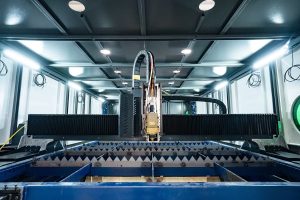
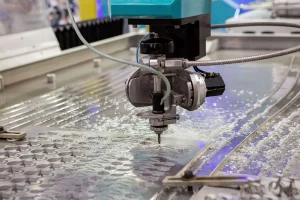
Motorcity Metal Fab, a trusted provider of metal fabrication services in Taylor, Michigan, since 2016, has helped hundreds of Detroit-area manufacturers and contractors avoid these costly pitfalls. Recognizing these concealed costs helps manufacturers, contractors, and design teams develop more accurate project budgets. Our laser waterjet cutting services in Detroit provide transparent pricing structures that eliminate many common budget surprises through precise material utilization and predictable processing times. With over 8 years of experience serving Michigan’s automotive, aerospace, and industrial sectors, we’ve identified the seven most common hidden cost drivers that impact fabrication budgets.
1. Material Waste and Optimization Failures
Poor material planning creates substantial waste that inflates project costs significantly. Inefficient cutting patterns and inadequate nesting strategies can increase material consumption by 15-30% compared to optimized layouts. This waste directly impacts project profitability and extends material procurement timelines. For a typical $10,000 fabrication project, poor material utilization alone can add $1,500-$3,000 in unnecessary costs.
Traditional industrial fabrication services in Detroit often require wider kerf allowances that consume additional material. Plasma cutting torches create heat-affected zones requiring extra material between parts. These spacing requirements reduce the number of parts that fit on each sheet, increasing total material costs.
Sheet utilization optimization requires specialized software and expertise that many fabricators lack. Manual nesting approaches rarely achieve optimal material usage, resulting in substantial scrap generation. Advanced nesting software can improve material utilization by 20-40% compared to manual methods. Professional CNC machining operations integrate automated nesting algorithms that maximize sheet usage and minimize waste.
Material grade substitutions during procurement create cascading cost increases. Suppliers may substitute higher-grade materials when specified grades are unavailable. These substitutions often cost 20-50% more than original specifications without providing corresponding value to the end application.
Remnant material management affects overall project economics. Small leftover pieces accumulate in inventory without clear applications, representing sunk costs. Effective remnant tracking and application systems can recover 10-15% of material costs through strategic reuse. Michigan fabricators using CAD designing and CAM manufacturing workflows can repurpose remnants for smaller production runs, converting waste into value.

How Much Do Poor Machining Tolerances Cost Fabrication Projects?
Hidden costs of poor machining tolerances can destroy project budgets faster than any other single factor. Tight tolerance requirements significantly increase fabrication complexity and costs. Parts requiring tolerances tighter than ±0.010″ often necessitate secondary metal fabrication services in Detroit. These additional processes can double or triple individual part costs compared to standard tolerance work.
Tolerance stackup calculations become critical for multi-component assemblies. Cumulative dimensional variations can prevent proper assembly fit, requiring costly rework or redesign. Professional tolerance analysis prevents these expensive problems through proper design review. A single tolerance-related assembly failure can add 2-3 weeks to project timelines and thousands in rework costs.
Measurement and verification costs increase with tighter tolerances. Precision measurement equipment and additional quality control time add direct labor costs to projects. CMM (Coordinate Measuring Machine) inspection can add $50-200 per part, depending on complexity. These verification steps become mandatory for critical applications but represent overhead for standard work.
Heat distortion from welding operations affects dimensional accuracy. Post-weld machining may become necessary to achieve final dimensional requirements. These additional operations add high cost and schedule time to industrial fabrication services in Detroit. Welding-induced distortion can shift dimensions by 0.030-0.125″, requiring expensive correction.
Surface finish requirements interact with tolerance specifications to create complex cost structures. Smooth surface finishes may be necessary to achieve tight tolerances, requiring additional machining or finishing operations beyond basic fabrication processes. Ra values under 32 microinches typically require grinding or milling, adding $25-75 per hour in additional machining costs.
Learn more about precision fabrication techniques in our comprehensive guide to revolutionizing manufacturing with laser waterjet technology.
2. Setup and Programming Time Multipliers
Complex part geometries require extensive programming and setup time that many estimators undervalue. CNC programming for intricate parts can take 4-8 hours compared to 30 minutes for simple geometries. This programming time directly impacts project labor costs and delivery schedules. At typical programming rates of $75-125/hour, complex parts accumulate $300-1,000 in setup costs before the first part is cut.
Tooling setup and verification procedures add substantial time to small batch welding services in Detroit. Each tool change requires positioning verification and test cuts to ensure dimensional accuracy. These setup procedures can represent 50-75% of total machine time for small quantity orders. For runs under 10 pieces, setup costs often exceed material costs.
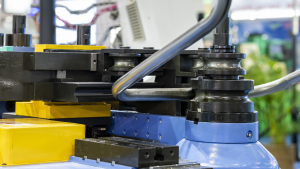
Fixturing requirements vary dramatically based on part geometry and material thickness. Custom fixturing may be necessary for unusual shapes or tight-tolerance work. Fixture design and fabrication can add days to project schedules and hundreds of dollars to project costs. Professional metal forming and tube bending operations maintain fixture libraries to reduce these recurring costs.
Material handling considerations affect setup efficiency and safety requirements. Heavy plate materials require crane assistance and specialized lifting equipment. These material handling requirements add labor time and equipment costs to fabrication operations. Plates over 500 lbs require two-person handling protocols, increasing labor costs by 40-60%.
Quality control verification adds time between the setup and production phases. First article inspection and approval procedures ensure dimensional compliance before full production begins. These verification steps prevent costly production errors but extend project timelines. First article inspection typically adds 2-4 hours to project schedules.
3. Secondary Operations and Finishing Costs
Deburring requirements vary significantly based on cutting method and material type. While laser cutting produces minimal burrs, other metal fabrication services in Detroit may require extensive finishing work. These operations can add 25-50% to total fabrication time. Manual deburring costs $30-50 per hour and can consume 10-30 minutes per part, depending on complexity.
Welding preparation costs increase with material thickness and joint design complexity. Beveling requirements for thick materials add machining time and complexity. Edge preparation can represent 20-30% of total MIG welding services in Detroit structural applications. Beveling equipment and setup add $100-300 to welding preparation costs.
Heat treatment requirements for stress relief or hardness adjustment add external processing costs. Heat treating schedules may extend project timelines by several days, depending on part size and material requirements. These thermal processes require specialized facilities and transportation logistics. Heat treatment typically costs $150-500 per load plus 2-5 day lead times.
Surface coating and protection requirements vary by application environment. Powder coating, galvanizing, or specialty coatings add high cost and schedule time. Coating processes often require minimum batch sizes that may force early material procurement or inventory carrying costs. Powder coating adds $3-8 per pound of part weight, with typical minimums of $200-500 per batch.
Assembly and testing procedures become complex for multi-component projects. Fit-up verification and functional testing require additional labor time and specialized equipment. These verification steps ensure proper function but represent overhead costs that must be factored into project pricing. Assembly labor typically costs $45-75 per hour plus fixture and tooling expenses.

4. Transportation and Logistics Hidden Expenses
Oversized load permits and routing restrictions affect delivery costs for large components built through industrial fabrication services in Detroit. Special transportation requirements can increase shipping costs by 200-400% compared to standard freight rates. These logistics complications often emerge late in project planning. Oversized permits cost $50-300 per state and require 3-10 days of processing time.
Packaging and protection requirements vary by transportation method and destination conditions. Crating and weather protection add material and labor costs. Complex shapes may require custom packaging solutions that add substantial expense to shipping costs. Custom crating adds $100-800, depending on part size and protection requirements.
Delivery timing coordination becomes critical for just-in-time installation schedules. Expedited shipping may be necessary to meet project deadlines, creating premium freight charges. These expedited services can cost 3-5 times standard shipping rates. Standard LTL shipping averages $1.50-3.00 per mile, while expedited services reach $4-12 per mile.
Installation support and field services may be required for complex assemblies. Technical support during installation adds travel time and expertise costs. These services ensure proper installation but represent additional project expenses beyond basic fabrication costs. Field service typically costs $125-200 per hour plus travel expenses and per diem.
Site access restrictions affect delivery methods and equipment requirements. Limited access may require smaller delivery vehicles or special handling equipment. These restrictions can increase delivery costs and extend installation timelines significantly. Crane rental for installation adds $150-400 per hour with 4-hour minimums.
5. Quality Control and Inspection Overhead
Dimensional inspection requirements increase with part complexity. Detailed documentation for welding and fabrication services in Detroit requires administrative time and record-keeping systems. Coordinate measuring machine time and programming add direct costs to quality verification. These measurement procedures ensure compliance but represent overhead expenses that affect project profitability. CMM inspection costs $75-150 per hour, including programming and setup time.
Material certification and traceability documentation require administrative time and record-keeping systems. Some applications require complete material pedigree documentation from mill certifications through final inspection. These documentation requirements add administrative overhead to project costs. Full material traceability adds $50-200 per project in documentation labor.
Non-destructive testing requirements for critical MIG welding services in Detroit add specialized inspection costs. Penetrant testing, magnetic particle inspection, or radiographic examination requires certified technicians and specialized equipment. These testing procedures can add 10-20% to total project costs. NDT inspection ranges from $100-500 per weld, depending on method and certification requirements.
Customer inspection and approval procedures may require additional documentation and scheduling coordination. Witness inspections or hold points during fabrication require coordination and potential schedule adjustments. These approval processes ensure customer satisfaction but extend project timelines. Customer witness inspections typically add 1-3 days to project schedules.
Rejected part replacement costs include material, labor, and schedule impacts. Quality failures require complete part replacement plus expedited processing to maintain project schedules. These replacement costs can exceed original part costs by 200-300% when schedule pressure exists. Rush replacement processing adds 50-100% premium to standard fabrication rates.
For detailed information on quality control processes, explore our insights on 5 challenges in laser waterjet cutting.
6. Design Change Management Expenses
Engineering change orders during fabrication create substantial cost impacts beyond simple material costs. Design changes may require new tooling, fixture modifications, and setup repetition. These changes can add 25-50% to the original project costs, depending on timing and scope. Mid-production ECOs cost 3-5x more than changes made during design review.
Drawing revision control and communication procedures require administrative overhead and potential work stoppage. Change notifications must reach all affected personnel and suppliers to prevent the continued production of obsolete designs. These communication delays can extend project schedules significantly. ECO processing adds 2-7 days to project timelines.
Obsolete work disposal and replacement costs accumulate when changes occur after production begins. Completed parts that no longer meet revised requirements represent sunk costs plus replacement expenses. These change-related losses often exceed the cost of proper upfront design review. Scrapped in-process work typically costs 150-250% of material value.
Supplier notification and coordination become complex when changes affect purchased components. Vendor lead times may extend project schedules when design changes require different materials or components. These procurement delays create schedule pressure that drives up overall project costs. Material reordering adds 1-3 weeks to typical lead times.
Documentation updates and revision tracking require systematic record-keeping and version control procedures. Multiple drawing revisions create confusion potential that can lead to production errors. Proper change management systems prevent these costly mistakes but require administrative investment. Drawing revision management adds $100-300 in administrative overhead per ECO.
What Are the Biggest Cost Drivers in Metal Fabrication Projects?
Experienced partners providing welding and fabrication services in Detroit offer design reviews that identify potential cost drivers early. Professional input during design phases can reduce fabrication costs by 20-40% through optimization recommendations and manufacturing feasibility analysis. Design for manufacturability (DFM) review typically costs $200-800 but saves thousands in production costs.
Advanced equipment capabilities reduce secondary operation requirements and improve dimensional accuracy. Modern laser cutting systems achieve tolerances and surface finishes that eliminate many finishing operations. These capabilities reduce total project costs through process consolidation. Our expert MIG welding services in Detroit ensure structural integrity without the need for expensive rework.
Material procurement expertise helps optimize specifications and reduce costs through strategic sourcing. Professional fabricators maintain supplier relationships that provide better pricing and availability. These procurement advantages translate directly to customer cost savings. Strategic material purchasing reduces costs by 8-15% through volume discounts and inventory optimization.
Quality management systems prevent costly errors and ensure consistent results. Systematic quality control procedures identify problems early when correction costs remain minimal. These prevention-focused approaches avoid expensive rework and schedule delays. Proactive quality systems reduce defect rates by 60-80%, minimizing scrap and rework expenses.
Project management experience helps anticipate and prevent common cost overruns. Professional project tracking identifies potential problems before they affect the budget. This proactive management approach protects customer budgets and delivery schedules. Experienced project management reduces budget variance by 40-60% compared to inexperienced teams.
Michigan manufacturers benefit from partnering with local fabricators who understand regional supply chains, transportation logistics, and industry requirements. Media blasting services and automated sawing and material-processing capabilities under one roof eliminate coordination costs and vendor-management overhead.
Contact our project team today to develop accurate project budgets that account for all fabrication requirements and eliminate costly surprises. Our assembly and shipping services provide complete project delivery, reducing total project costs through integrated workflows.

Industry Standards and Compliance Resources
Professional metal fabrication follows established industry standards that help prevent costly errors and ensure regulatory compliance. The Occupational Safety and Health Administration provides comprehensive guidelines for fabrication equipment safety and worker protection requirements that help facilities avoid regulatory penalties and ensure safe operations.
The American Welding Society establishes welding standards and certification requirements that ensure structural integrity and performance in critical applications. AWS D1.1 structural welding code defines acceptance criteria that prevent costly rework and ensure compliance with building codes and engineering specifications.
The Fabricators & Manufacturers Association offers industry benchmarking data and best practices that help fabricators optimize operations and reduce hidden costs. Member companies report 15-25% cost reductions through the implementation of industry best practices and benchmarking data.
Frequently Asked Questions
1. What percentage of metal fabrication projects exceed their initial budget estimates?
Industry studies indicate that 60-75% of custom metal fabrication services in Detroit exceed initial budget estimates by 10-30%. This high percentage reflects the complexity of accurate cost estimation for custom work and the numerous variables that affect fabrication costs. Projects with tight tolerances, complex geometries, or specialized material requirements show higher budget variance rates. Experienced fabricators with comprehensive quoting procedures typically achieve budget accuracy within 5-10% for similar project types. Detailed design review and manufacturing feasibility analysis during the quoting phase significantly improve budget accuracy and reduce unexpected costs during production. Working with established Michigan fabricators who maintain historical cost data improves quote accuracy substantially.
2. How much can poor material utilization add to project costs?
Poor material utilization typically increases project costs by 15-35%. Professional welding and fabrication services in Detroit invest in advanced nesting software to minimize this waste. Traditional fabrication methods with manual nesting often achieve only 60-70% material utilization, whereas advanced nesting software can achieve 85-95% utilization rates. The cost impact varies significantly by material type, with expensive alloys and thick plates showing the greatest sensitivity to utilization efficiency. Laser cutting with optimized nesting provides superior material utilization compared to plasma or flame cutting methods. For a $10,000 material budget, poor utilization can waste $1,500-$3,500 in material costs alone.
3. What are typical setup and programming costs for complex fabricated parts?
Setup and programming costs for complex parts typically range from $200-$800 per part, depending on geometry complexity and tolerance requirements. Simple geometric shapes may require only 30-60 minutes of programming time, whereas complex contoured parts can require 4-8 hours of programming and setup work. These costs are amortized across production quantity, making small batch production significantly more expensive per part. High-volume production runs justify the programming investment through lower per-part costs. Advanced CAM software and experienced programmers reduce setup time and improve first-part accuracy, minimizing total project costs. For small batch runs under 10 pieces, setup costs often exceed material and processing costs combined.
4. How do tolerance requirements affect fabrication costs?
Tolerance requirements have exponential effects on fabrication costs, with tight tolerances potentially doubling or tripling part costs compared to standard tolerances. Standard fabrication tolerances of ±0.030″ typically require no additional operations, whereas tolerances tighter than ±0.005″ often necessitate secondary machining. Each additional machining operation adds setup time, programming costs, and quality verification requirements. Heat treatment and stress relief procedures may be necessary to achieve dimensional stability for tight tolerance applications. Professional tolerance analysis during design review helps optimize tolerance specifications to balance functional requirements with fabrication costs. CMM inspection for tight tolerances adds $75-$150 per hour in quality control costs.
5. What secondary operations add the most cost to fabrication projects?
Welding operations typically add the most cost to fabrication projects, often representing 40-60% of total fabrication time for structural assemblies. Joint preparation and post-weld finishing in MIG welding services can significantly increase part costs compared to simple cutting. Heat treatment for stress relief or material property adjustment adds external processing costs and schedule time of $150-$500 per load. Surface coating applications like powder coating or galvanizing add 20-40% to total project costs, depending on part size and complexity. Assembly and fit-up procedures for multi-component projects require skilled labor and specialized fixtures that increase overall project costs significantly. Deburring and edge finishing can add 25-50% to processing time for parts with complex geometries.
6. How can design changes during production impact project budgets?
Engineering change orders (ECOs) during production typically add 25-50% to original project costs, with mid-production changes costing 3-5 times more than changes made during design review. Changes require scrapping completed work, creating new tooling or fixtures, and repeating setup procedures. Supplier coordination for material changes adds 1-3 weeks to lead times. Drawing revision management and communication overhead adds $100-$300 per ECO in administrative costs. Obsolete work disposal represents sunk costs of 150-250% of material value. Professional design review and approval processes before production begins prevent these expensive mid-project changes and protect project budgets.
7. What are the hidden transportation and logistics costs in metal fabrication?
Transportation and logistics can add 10-25% to total project costs for large or specialized components. Oversized load permits cost $50-$300 per state, with 3-10 day processing times. Custom crating and packaging add $100-$800, depending on part size and protection requirements. Expedited shipping costs 3-5 times standard rates ($4-$12 per mile vs $1.50-$3.00). Field installation support adds $125-$200 per hour plus travel expenses. Crane rental for installation costs $150-$400 per hour with 4-hour minimums. Site access restrictions may require specialized delivery equipment or methods that increase costs substantially. Working with local Michigan fabricators reduces these logistics costs through shorter delivery distances and better knowledge of regional infrastructure.
8. How do quality control requirements affect fabrication pricing?
Quality control and inspection typically add 8-15% to total project costs, depending on specification requirements. CMM inspection costs $75-$150 per hour, including programming and setup time. Full material traceability documentation adds $50-$200 per project in administrative labor. Non-destructive testing (NDT) for critical welds ranges from $100-$500 per weld, depending on method and certification requirements. Customer witness inspections add 1-3 days to project schedules. First article inspection typically adds 2-4 hours to project timelines. Rejected part replacement costs 200-300% of original part costs when schedule pressure requires rush processing. Proactive quality management systems reduce these costs by identifying and preventing defects early, when correction costs remain minimal.