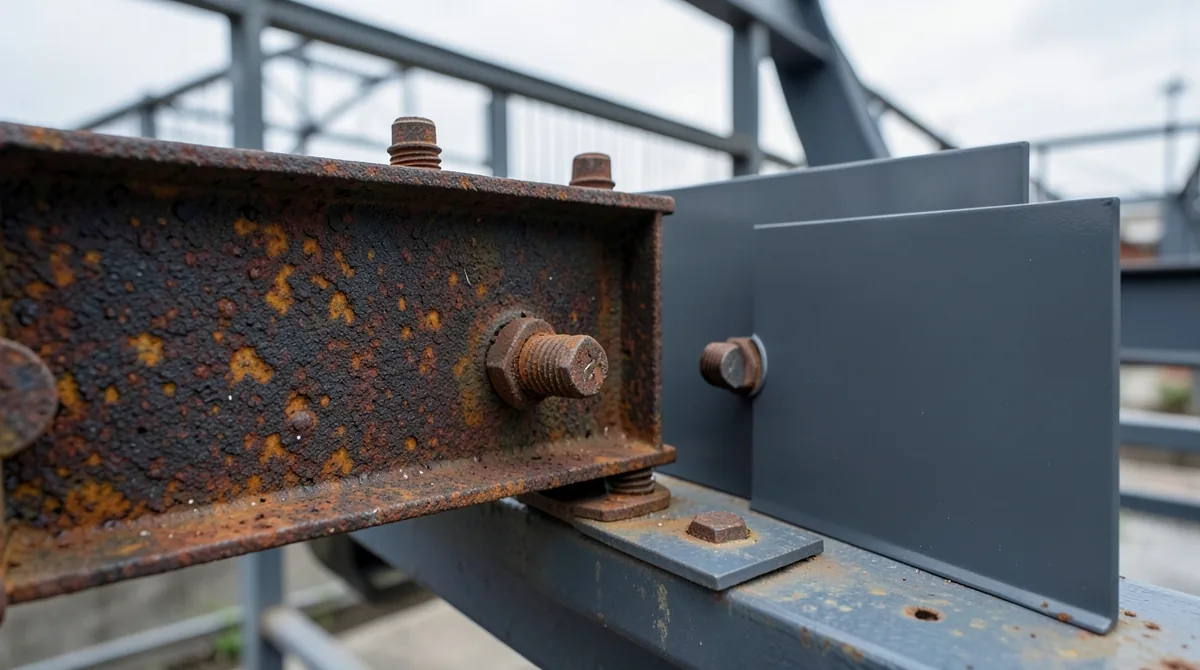
A congressionally mandated study put the direct cost of corrosion to metals in the United States at $276 billion a year, roughly 3.1 percent of GDP. CC Technologies Laboratories carried out the work from 1999 to 2001 in a cooperative agreement with the Federal Highway Administration and NACE International. Its FHWA summary report remains a widely cited U.S. baseline.
The dollar figures reflect 1998 data, so the totals are dated. What still holds up is the structure of the numbers, and that structure earns the cost of corrosion a place in any finishing decision.
Where the Cost of Corrosion Landed
The study split the economy into 26 sectors. Motor vehicles carried an estimated $23.4 billion a year in direct corrosion cost, the largest share of the transportation category. That total broke into three parts:
- $2.56 billion in added manufacturing cost for corrosion engineering and corrosion-resistant materials
- $6.45 billion in corrosion-driven repairs and maintenance
- $14.46 billion in corrosion-related vehicle depreciation
The study credited car makers with raising corrosion resistance since the 1980s through better materials, manufacturing processes, and design. It also found room for further improvement in the corrosion resistance of individual components, which is where brackets, frames, and aftermarket parts come in.
Production and manufacturing sectors added another $17.6 billion. Agriculture offers a useful example for equipment builders: industry experts estimated corrosion costs at 5 to 10 percent of the value of all new farm equipment, about $1.1 billion a year. The authors estimated that indirect costs, such as lost productivity from outages, delays, failures, and litigation, at least matched the direct cost. That put the combined figure at about $552 billion, or 6 percent of GDP. Data from the military services went further, suggesting corrosion could be the single largest driver of life-cycle cost for their systems.
Highway bridges show how fast indirect costs stack up. About 15 percent of U.S. bridges were rated structurally deficient at the time, mainly because of corroded steel and reinforcement. The study’s life-cycle analysis put the cost to drivers from traffic delays and lost productivity at more than 10 times the direct cost of repair work.
Coatings Carry Most of the Load
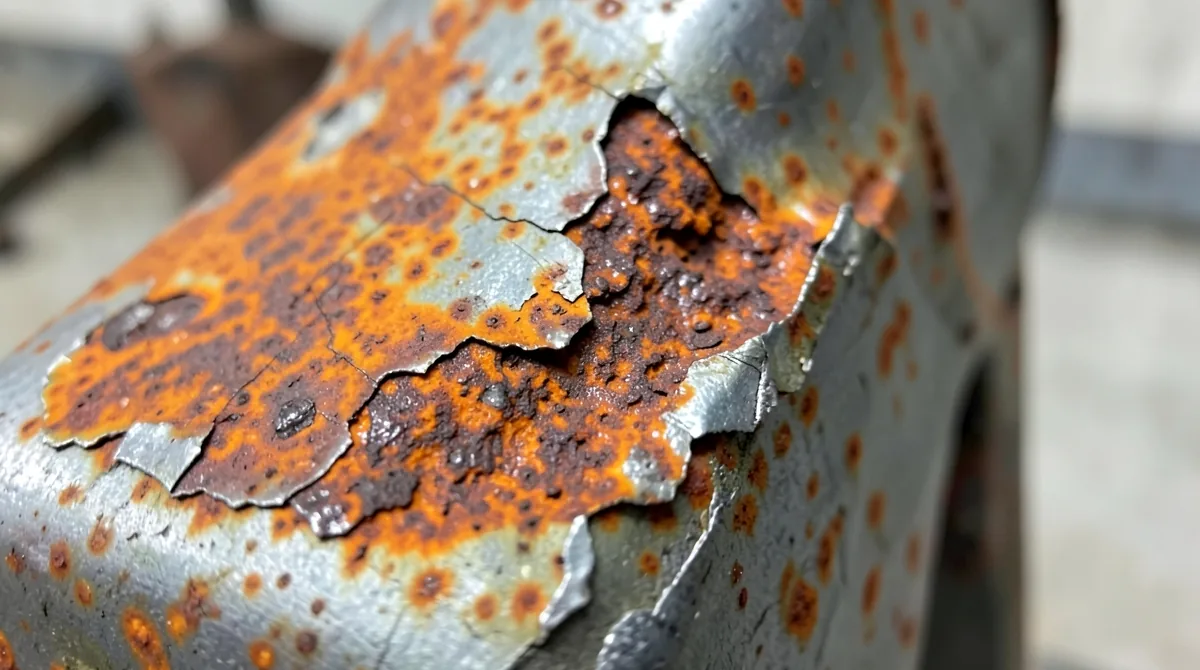
The study also tallied spending on corrosion control. Of roughly $121 billion a year, organic coatings accounted for $107.2 billion, or 88.3 percent. Spending on protective coatings outweighed every other control method in the study combined, so paint and powder carry most of the fight against the cost of corrosion.
One detail stands out for buyers. Raw coating material ran only 4 to 20 percent of the total cost of a coating application project. The rest sat in the application work itself, which is why the price of the powder or paint says little about the full cost of a finish.
That is also why powder coating vs liquid paint is a question about process, waste, and service life as much as material.
What Powder Brings to the Ledger
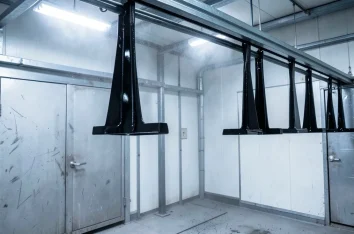
The University of Minnesota’s Minnesota Technical Assistance Program describes powder coatings as 100 percent resin in dry form that cure in an oven into a durable, corrosion-resistant layer. Powder that misses the part can be collected and reused, which lets coaters reach high overall transfer efficiency.
MnTAP puts traditional solvent-based paint at about 40 percent solids, so more material has to be sprayed to reach the required dry film thickness. Powder comes with its own condition. The substrate must tolerate an oven cure, typically 300 to 450°F.
Lower-VOC liquid paints carry trade-offs too. MnTAP notes that waterbased paint may need a cleaner surface, longer drying times, and higher oven temperatures, while high-solids paint makes film thickness harder to control.
The Cost of Corrosion in Michigan
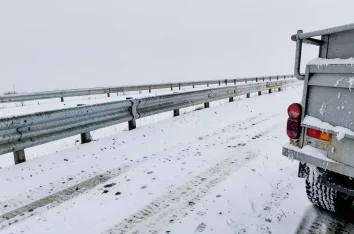
National averages hide regional stress that raises the cost of corrosion for exposed parts. Parts that spend winters on metro Detroit roads, loading docks, or job sites face brine and freeze-thaw cycles that buyers in warmer states rarely see. Our look at road salt corrosion in metro Detroit covers what last winter meant for exposed metal.
Three Questions for Your Next Finish Spec
What does it cost to replace or refinish this part in the field? How long does it need to last before that happens? Where will the first chip or bare edge likely appear? Which surfaces will see standing water, road spray, or chemicals?
Answering those before approving a finish moves the cost of corrosion conversation to the design and purchasing stage, when changes cost the least. The FHWA authors made a similar point. Their recommended strategies included raising awareness of corrosion costs, dropping the idea that nothing can be done about corrosion, and adopting design practices that manage it from the start.
Motor City Metal Fab: One Shop, Every Operation
Motor City Metal Fab is a family-owned shop in Taylor, Michigan serving metro Detroit. Cutting, machining, forming, welding, coating, and assembly all happen in one building, so a part does not wait on an outside vendor between operations.
Our Services Include:
- Powder Coating — In-house finishing, so fabricated parts ship ready to install
- Media Blasting — Surface prep that strips rust, scale, and old coatings before powder goes on
Have a print to quote? Contact Motor City Metal Fab with your drawing, material, and quantity.
Cost of Corrosion: Frequently Asked Questions
01How much does corrosion cost the U.S. economy?
A widely cited federal estimate, from a study completed in 2001 for the Federal Highway Administration, put direct corrosion costs at $276 billion a year, about 3.1 percent of GDP. Researchers also estimated indirect costs at least equal to that, for a combined total near $552 billion, using 1998 economic data.
02How much of corrosion control spending goes to coatings?
In the FHWA study, organic coatings accounted for $107.2 billion of the roughly $121 billion spent each year on corrosion control methods and services. That works out to 88.3 percent. Coatings were by far the largest category of corrosion-control spending the study found.
03Is a corrosion study from 2002 still useful?
Its dollar totals are dated, since they reflect 1998 data. The proportions still carry value: which sectors bear the most cost, how much goes to coatings, and how small a share raw coating material represents. Those ratios help buyers weigh finish choices, even though current-dollar totals would differ.
04Why does coating material cost matter less than application cost?
The FHWA study found raw coating material made up only 4 to 20 percent of the total cost of a coating application project. Everything else sits in the application work itself. A cheaper paint or powder rarely changes the total much, especially if the finish fails early and the part needs rework.
05What temperature does powder coating cure at?
Cure temperature depends on the powder formulation. The University of Minnesota’s MnTAP program cites a typical oven range of 300 to 450°F. Any part going in, along with anything attached to it, has to tolerate that heat, which is why seals, plastics, and electronics usually go on after coating.
Works Cited
- CC Technologies, Inc. Corrosion Cost and Preventive Strategies in the United States: Summary. Report no. FHWA-RD-01-156, United States, Federal Highway Administration, 2002. ROSA P, rosap.ntl.bts.gov/view/dot/39217. Accessed 19 Sept. 2026.
- “Coatings.” Minnesota Technical Assistance Program, University of Minnesota, www.mntap.umn.edu/industries/facility/paint/coatings/. Accessed 19 Sept. 2026.