
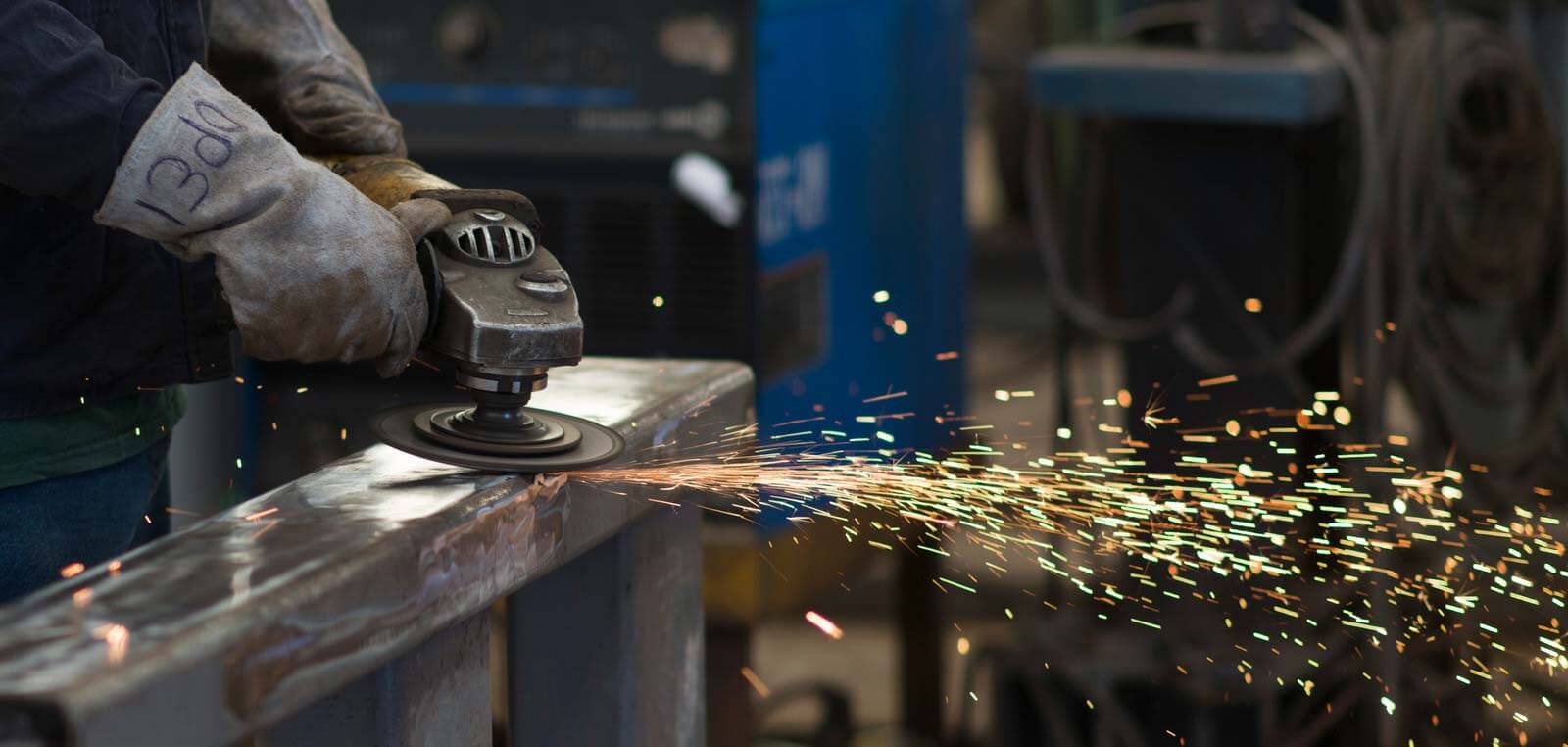
Motor City Metal Fab: Precision Welding and Fabrication in Taylor, Michigan
The electric vehicle revolution is transforming Michigan manufacturing at a pace that few anticipated even five years ago. Billions of dollars in battery plant investments, retooled assembly facilities, and supplier expansions are reshaping the industrial landscape across Southeast Michigan. For metal fabricators serving the automotive sector, this transformation creates both extraordinary opportunity and significant challenge. The components, assemblies, and prototype parts that Michigan’s EV transition programs require differ fundamentally from traditional automotive fabrication, demanding new capabilities, materials expertise, and quality standards.
Michigan has positioned itself at the center of American EV development through aggressive economic development efforts and its unmatched concentration of automotive engineering talent. According to the Michigan Economic Development Corporation’s mobility initiatives, the state secured $16.6 billion in electric vehicle and battery investments, creating thousands of manufacturing jobs building the next generation of transportation. Ford’s BlueOval Battery Park, GM’s Ultium facilities, and investments from suppliers throughout the value chain are establishing Michigan as the domestic leader in EV production just as it dominated internal combustion vehicle manufacturing for a century.
This investment surge creates cascading demand throughout the supply chain, with custom metal fabrication occupying a critical position between component suppliers and final assembly operations. Battery enclosures require precision welding to meet structural and safety requirements. Motor housings demand tight tolerances and quality finishes. Testing fixtures, prototype assemblies, and production tooling all require fabrication capabilities that must scale alongside the EV programs they support. Fabricators positioned to serve this emerging market face years of sustained demand if they can meet the technical and quality requirements these applications impose.
What EV Production Requires from Fabricators
Electric vehicle architectures create fabrication requirements that differ substantially from internal combustion vehicle programs. Battery packs represent the most significant structural component unique to EVs, consisting of enclosures housing thousands of cells, thermal management systems, and electrical connections. These assemblies must withstand crash loads, prevent thermal runaway propagation, and protect occupants from electrical hazards while remaining as light as possible to maximize vehicle range. Fabricating battery enclosures requires welding expertise across aluminum alloys, high-strength steels, and hybrid material combinations that few traditional automotive fabricators possess.
The structural requirements for battery enclosures demand weld quality that exceeds most automotive applications. Full penetration joints, controlled heat input to prevent distortion, and cosmetic appearance suitable for exposed assemblies all factor into specification requirements. Many battery enclosures incorporate both structural welds that must meet strength requirements and sealed welds that must prevent moisture infiltration into the battery compartment. Achieving both objectives simultaneously requires welders who understand how process parameters affect joint characteristics across different quality criteria.
Motor housings for electric drive units present different fabrication challenges centered on dimensional accuracy and surface quality. Electric motors spin at speeds far exceeding internal combustion engines, creating vibration sensitivity that requires precise machining of mounting surfaces and bearing bores. Fabricated motor housings must maintain tight geometric tolerances through welding operations that introduce heat and potential distortion. Post-weld machining can correct some dimensional variation, but minimizing distortion through proper welding technique reduces machining requirements and maintains material properties in critical areas.
Thermal management components represent another growth category as EV programs address the heat generated during battery charging and high-power operation. Cooling plates, fluid manifolds, and heat exchanger assemblies require welded construction using materials selected for thermal conductivity and corrosion resistance. Aluminum fabrication dominates thermal management applications, requiring TIG welding expertise that ensures leak-free joints while maintaining material properties. The precision required for these assemblies pushes welding quality standards well beyond general fabrication practice.

Prototype and Testing Support Drives Immediate Demand
While production programs generate sustained volume demand, prototype and testing applications create immediate opportunities for fabricators capable of fast-turnaround precision work. Michigan’s concentration of automotive engineering centers, including operations for domestic and international OEMs, generates constant demand for prototype components, test fixtures, and development hardware. These applications often require one-off fabrication with no opportunity for iteration or correction, placing premium value on shops that can execute complex assemblies correctly the first time.
Prototype fabrication for EV programs involves components ranging from battery module housings to structural crash members to powertrain mounting brackets. Engineers developing new vehicle architectures need physical hardware to validate designs, conduct testing, and refine specifications before committing to production tooling. The speed of EV development programs, compressed by competitive pressure and regulatory timelines, makes prototype lead time a critical constraint. Fabricators who can deliver quality prototype assemblies in days rather than weeks become valuable partners for engineering teams racing to meet program milestones.
Testing applications generate fabrication demand for fixtures, mounting hardware, and instrumentation brackets that support validation programs. Battery testing involves thermal cycling, vibration exposure, crash simulation, and electrical stress that require specialized fixturing to position cells, modules, and packs correctly. Motor testing demands dynamometer mounting fixtures capable of handling torque loads while maintaining alignment. Crash testing requires sleds, barriers, and structural fixtures fabricated to precise specifications. Each test program generates fabrication requirements that skilled shops can address.
The workforce constraints affecting the broader fabrication industry, explored in [The Welder Shortage Crisis Hits Southeast Michigan Manufacturing: What It Means for 2026], create particular challenges for prototype and testing work that demands the most skilled welders. Experienced personnel who can interpret engineering drawings, select appropriate processes, and execute complex assemblies are precisely the workers in shortest supply. Shops that retained this expertise through industry cycles now find their capabilities commanding premium value as EV programs proliferate.
Material Evolution Challenges Traditional Capabilities
The materials specified for EV components push many fabricators beyond their traditional comfort zones. Aluminum alloys, including 6061, 5052, and various casting alloys, appear throughout EV architectures where weight savings directly impact vehicle range. Welding aluminum requires different equipment, consumables, and techniques than steel fabrication that dominates traditional automotive work. Clean gas coverage, controlled heat input, and proper filler selection prevent the porosity and cracking that plague aluminum welds executed without appropriate expertise.
High-strength steels used in structural applications present their own fabrication challenges. These materials achieve strength through precisely controlled metallurgical structures that welding heat can disrupt. Maintaining strength in the heat-affected zone requires careful control of preheat, interpass temperature, and cooling rate that general fabrication practices often neglect. EV structural components frequently specify advanced steels with strength levels requiring specialized welding procedures to preserve material properties.
Mixed-material assemblies combine multiple metals within single components, creating galvanic corrosion concerns and joining challenges that fabricators must address. Battery enclosures may incorporate steel structural members, aluminum thermal management features, and copper electrical connections. Joining dissimilar metals through welding, brazing, or mechanical fastening requires understanding material compatibility and selecting appropriate techniques. Shops serving EV programs must demonstrate capability across material types rather than specializing in single metals.
Surface finishing requirements for EV components often exceed traditional automotive standards. Battery enclosures visible within vehicle interiors require cosmetic weld appearance that general structural fabrication does not demand. Thermal management components must be free of weld spatter that could contaminate fluid passages. Motor housings may require specific surface textures for sealing or bonding in subsequent assembly operations. Meeting these requirements demands attention to weld quality details that volume-focused fabrication approaches sometimes neglect.
Quality Systems and Certifications Become Essential
The quality requirements for EV components drive fabricators toward formal quality management systems that document procedures, verify capabilities, and ensure traceability. OEMs and Tier 1 suppliers increasingly require fabrication partners to maintain quality certifications demonstrating systematic approaches to consistency and continuous improvement. Shops operating informally, relying on individual welder skill without documented procedures, find themselves excluded from EV supply chains regardless of their technical capabilities.
AWS welder certifications verify that individual welders have demonstrated proficiency through standardized testing, providing customers with documented assurance that personnel can execute specified processes competently. Understanding [Why AWS-Certified Welding Matters for Michigan Automotive and EV Components] helps manufacturers evaluate fabrication partners based on objective capability indicators rather than claims alone. Certification maintenance requires ongoing testing that ensures welders maintain their skills over time.
Quality management system certification under standards like ISO 9001 demonstrates organizational commitment to consistent processes and continuous improvement. These certifications require documented procedures for quoting, planning, executing, and inspecting fabrication work. They mandate calibration of measuring equipment, control of documents and records, and systematic approaches to corrective action when problems occur. While certification alone does not guarantee quality, it signals the systematic approach that demanding EV applications require.
Traceability requirements increasingly extend through EV supply chains as manufacturers seek to understand component origins for warranty, recall, and quality investigation purposes. Fabricators must maintain records linking completed assemblies to material certifications, welder identification, inspection results, and process parameters. This documentation burden challenges shops accustomed to informal operations but represents table stakes for serious participation in EV supply chains.
Positioning for EV Fabrication Opportunity
Fabricators seeking to serve Michigan’s expanding EV manufacturing ecosystem should evaluate their capabilities honestly against the requirements these applications impose. Material expertise spanning steel, stainless, and aluminum provides the versatility EV components demand. Welding certifications for personnel and quality system certifications for organizations demonstrate capability objectively. Equipment including TIG welding for aluminum and precision work, MIG welding for structural applications, and inspection tools for verifying dimensions and weld quality must align with program requirements.
Geographic positioning within Southeast Michigan provides advantages for prototype and testing applications where speed and collaboration matter. Engineering teams developing EV programs value fabrication partners they can visit, who understand automotive quality expectations, and who can respond rapidly when programs encounter unexpected needs. Proximity alone does not guarantee success, but it enables the relationship depth that wins long-term programs.
Investment in EV-specific capabilities signals commitment that customers recognize. Shops that trained welders on aluminum processes, purchased equipment for lightweight material handling, and developed procedures for EV component fabrication demonstrate seriousness that positions them favorably as programs expand. The window for establishing credentials in this emerging market remains open, but early movers accumulate experience and relationships that create sustainable advantages.
Motor City Metal Fab: Precision Fabrication for Michigan’s EV Future
At Motor City Metal Fab, we have built capabilities serving automotive prototype developers, equipment builders, and manufacturers who demand precision welding across diverse materials. Our Taylor facility positions us to serve Southeast Michigan’s expanding EV ecosystem with the expertise these demanding applications require.
Our Services Include:
- Welding & Fabrication Services in Detroit – TIG, MIG, and spot welding expertise across steel, stainless steel, and aluminum alloys for EV and automotive applications
- Complete fabrication capabilities including CNC machining, laser cutting, tube bending, and powder coating for integrated manufacturing solutions
Ready to Discuss Your EV Project? Contact Motor City Metal Fab to explore how our fabrication capabilities can support your electric vehicle program requirements.
Works Cited
“Electric Vehicle Ecosystem.” Michigan Economic Development Corporation, State of Michigan, www.michiganbusiness.org/mobility/evecosystem/. Accessed 20 Dec. 2025.
Related Articles
- [The Welder Shortage Crisis Hits Southeast Michigan Manufacturing: What It Means for 2026]
- [Why AWS-Certified Welding Matters for Michigan Automotive and EV Components]
