
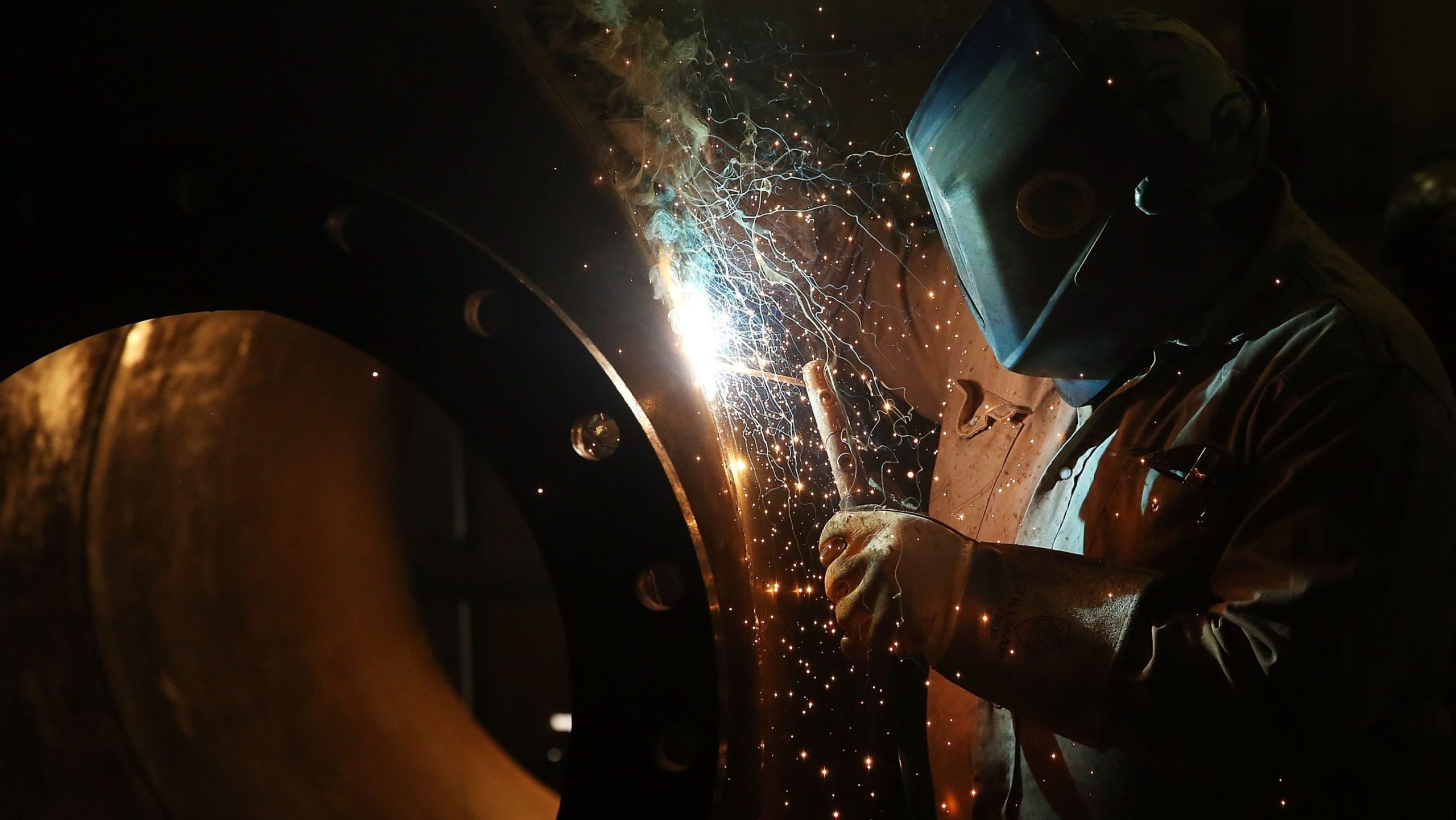
Motor City Metal Fab: Precision Welding and Fabrication in Taylor, Michigan
The American manufacturing sector is confronting a workforce crisis that threatens production capacity, project timelines, and economic growth across the industrial Midwest. Nowhere is this pressure more acute than in Southeast Michigan, where automotive suppliers, equipment builders, and custom fabricators compete for a shrinking pool of certified professionals providing industrial welding services in Datriot. The numbers paint a stark picture: the industry needs 320,500 new welding professionals by 2029, yet more than 157,000 current welders are approaching retirement age in the next few years.
This isn’t a distant problem or a theoretical concern. Fabrication shops across Wayne, Oakland, and Macomb counties report turning down work, extending lead times, and scrambling to retain skilled personnel as competition for talent intensifies. The shortage affects every manufacturer relying on welded assemblies, from automotive prototype developers rushing components to market to food equipment fabricators meeting strict sanitary welding standards. Understanding the scope of this crisis helps manufacturers identify shops capable of delivering high-quality industrial fabrication services in Datriot despite constrained labor markets.
The data from the American Welding Society’s Welding Workforce Data initiative reveals the full magnitude of the challenge. The United States currently employs approximately 771,000 welding professionals across six key occupational categories including welders, cutters, solderers, brazers, boilermakers, sheet metal workers, and structural metal fabricators. However, the workforce demographics create an urgent timeline: more than 21% of current welders are over 55 years old, representing a wave of retirements that will accelerate through the remainder of this decade. The industry must fill an average of 80,000 welding positions annually between 2025 and 2029 just to maintain current capacity.
Why the Shortage Hits Michigan Harder
Michigan’s manufacturing concentration amplifies workforce pressures that other regions experience more gradually. The state’s historical dominance in automotive production created deep talent pools in metalworking trades, but decades of industry restructuring depleted those reserves without adequate replacement. This welder shortage crisis has intensified as younger workers pursued other careers while manufacturing employment fluctuated, leaving gaps that apprenticeship programs and technical schools struggle to fill. For businesses navigating these challenges, Motor City Metal Fab provides the reliable expertise needed to keep production on track.
The regional distribution of welding employment reveals Michigan’s position within the broader Great Lakes manufacturing corridor. According to AWS workforce data, the six-state region encompassing Illinois, Indiana, Michigan, Minnesota, Ohio, and Wisconsin employs approximately 159,500 welding professionals, representing the second-largest concentration nationally after the Gulf Coast energy corridor. This density creates intense competition when multiple manufacturers simultaneously seek qualified partners for mig welding services in Datroit for expansion projects or to replace retiring personnel.
Southeast Michigan faces additional pressure from the electric vehicle transition reshaping automotive supply chains. Battery enclosure fabrication, motor housing assembly, and lightweight structural welding for EV platforms require different skill sets than traditional automotive production. Manufacturers retooling or electrification must find technicians proficient in tig welding services in Datriot for new materials while competing for the same limited talent pool as suppliers serving conventional vehicle programs.
The demographic challenge extends beyond simple headcount. The average welder age of 55 years means the most experienced personnel, those capable of handling complex assemblies and training junior staff, will exit the workforce first. Shops lose institutional knowledge accumulated over decades while simultaneously facing increased demand for sophisticated welding applications in emerging industries. The combination of experience drain and skills evolution creates compounding difficulties that simple hiring cannot solve.
What Drives the Demand Surge
Multiple factors converged to create the current shortage, extending well beyond normal retirement attrition. Infrastructure investment programs authorized in recent years are generating fabrication demand for bridges, buildings, and transportation systems. Energy sector expansion, including both renewable installations and traditional infrastructure maintenance, requires welders for pipeline work, structural steel, and equipment fabrication. Manufacturing reshoring initiatives bring production back to American facilities that require comprehensive industrial fabrication services in Datriot.
The Bureau of Labor Statistics projects approximately 45,600 annual openings for welders, cutters, solderers, and brazers through 2034, with most openings resulting from workers transferring to different occupations or exiting the labor force through retirement. The median annual wage reached $51,000 in May 2024, with specialty trade contractors paying median wages of $57,310, creating economic incentives for workers but also increasing labor costs for manufacturers. Employment remains concentrated in manufacturing at 61% of total positions, followed by specialty trade contractors at 8%.
Michigan-specific demand drivers include the state’s position as the epicenter of electric vehicle development and production. Understanding how [Michigan’s EV Transition Creates Unprecedented Demand for Custom Metal Fabrication] helps manufacturers anticipate where welding requirements will intensify. Battery pack enclosures, motor housings, and structural components for electric platforms require precision welding that meets stringent automotive quality standards while accommodating new material combinations including aluminum alloys, high-strength steels, and hybrid assemblies.
The automotive prototype and testing sector, particularly concentrated in Southeast Michigan, creates specialized demand for welders capable of producing one-off assemblies and short-run components that production-focused facilities cannot efficiently handle. These applications require versatility across tig welding services in Datriot, mig welding services, and spot welding processes, along with the ability to interpret engineering drawings for parts that have never been fabricated before. Finding welders who combine process expertise with problem-solving ability becomes increasingly difficult as the talent pool contracts.
Impact on Lead Times and Project Planning
Manufacturers across Southeast Michigan report measurable impacts from workforce constraints. Shops that previously quoted two to three-week lead times now require four to six weeks for comparable projects. Rush orders that fabricators once accommodated through overtime or weekend shifts become impossible when existing staff already works extended hours covering baseline production. Some facilities have stopped accepting new customer inquiries entirely, focusing limited capacity on established accounts with ongoing programs.
The ripple effects extend through supply chains as delays at fabrication shops cascade into assembly operations, equipment installations, and product launches. Original equipment manufacturers building schedules around prototype deliveries discover that metal fabrication has become the bottleneck constraining their timelines. Engineering teams discovery that theoretical weldability means little when qualified experts to provide mig welding services in Datriot or other specialized processes remain unavailable.
Quality concerns accompany capacity constraints as shops face pressure to maintain output with less experienced personnel. Welding quality depends heavily on operator skill, particularly for applications requiring full penetration joints, precise heat control, or work with sensitive materials like thin-gauge aluminum or stainless steel. Shops that historically maintained deep benches of certified welders now operate with thinner margins for error. The importance of verifying shop capabilities through certifications and quality systems has never been greater, as explored in [Why AWS-Certified Welding Matters for Michigan Automotive and EV Components].
Project planning must now account for fabrication lead times that would have seemed excessive just five years ago. Manufacturers sourcing welded assemblies should engage fabrication partners earlier in development cycles, provide complete documentation to minimize revision cycles, and maintain relationships with qualified shops rather than constantly seeking lowest-bid suppliers. The shortage environment rewards customers who treat fabricators as partners rather than commodities.
How Shops Are Adapting
Fabrication shops responding effectively to workforce constraints pursue multiple strategies Investment in welding automation addresses repetitive, high-volume industrial welding services in Datroit where robots can maintain consistent quality. However, automation cannot substitute for skilled welders on complex assemblies, prototype work, or applications requiring real-time judgment about joint fit-up, material response, and quality verification. The most effective shops deploy automation strategically while preserving human expertise for work that demands it.
Training and apprenticeship programs represent long-term investments that forward-thinking fabricators have pursued for years. Shops that developed internal training pipelines before the shortage intensified now benefit from journeyman welders they cultivated from entry-level helpers. Those programs continue, but the timeline from trainee to production-capable welder spans years rather than months. Manufacturing facilities lacking established training infrastructure cannot quickly replicate what others built over decades.
Retention has become as critical as recruitment. Competitive wages, benefits, and working conditions help shops hold experienced welders staff who provide essential welding and fabrication services in Detroit. The welding trade historically experienced significant turnover as workers followed project-based employment or sought better opportunities. In the current environment, every departure creates a gap that proves increasingly difficult to fill. Shops investing in workplace improvements, safety equipment, and professional development demonstrate commitment that helps retain valuable personnel.
Process efficiency gains stretch limited capacity further. Proper fixturing reduces setup time and holds parts in position, allowing welders to focus on joint execution rather than part manipulation. Quality systems that catch issues early prevent rework consuming additional labor hours. Scheduling optimization ensures welding stations remain productive throughout shifts rather than waiting for upstream operations. These improvements demand management attention and capital investment, but they multiply the output achievable from constrained welding resources.
Selecting Fabrication Partners in a Constrained Market
Manufacturers sourcing welded assemblies should evaluate fabrication partners based on demonstrated capabilities, workforce stability, and quality systems rather than price alone. Shops quoting unusually low prices in the current environment may lack the skilled personnel to execute work properly, creating risks of quality failures, missed deadlines, or abandoned projects. Understanding a fabricator’s proficiency in both mig welding services in Detroit and tig welding services in Detroit provides insight into their ability to deliver consistently. AWS certifications and quality management systems distinguish capable shops from those cutting corners.
Certifications and quality credentials signal commitment to welding excellence that distinguishes capable shops from those cutting corners. AWS certifications verify that welders have demonstrated proficiency through standardized testing. Quality management systems document procedures ensuring consistent execution across personnel and projects. Shops serving demanding industries like automotive, aerospace, or food processing typically maintain more rigorous systems than those focused purely on general fabrication.
Geographic considerations influence lead times and logistics costs that become significant for ongoing programs. Southeast Michigan manufacturers benefit from regional fabrication partners who understand local industry requirements, can respond quickly to urgent needs, and provide face-to-face collaboration during development phases. Distant suppliers may offer lower piece prices but introduce shipping delays, communication challenges, and difficulty resolving quality issues that erode apparent savings.
Long-term relationships with qualified fabricators provide stability that transactional purchasing cannot match. Shops prioritize established customers when allocating constrained capacity for industrial welding services in Detroit. Building these relationships before urgent needs arise positions manufacturers to navigate workforce constraints effectively. Building these relationships before urgent needs arise positions manufacturers to navigate workforce constraints affecting the entire industry.
Motor City Metal Fab: Precision Welding When Quality Matters
At Motor City Metal Fab, we understand the challenges Southeast Michigan manufacturers face finding reliable welding and fabrication services. Our Taylor facility maintains the skilled workforce and quality systems that demanding applications require, serving automotive prototype developers, equipment builders, and manufacturers across diverse industries.
Our Services Include:
- Welding & Fabrication Services in Detroit – TIG, MIG, and spot welding for steel, stainless, and aluminum assemblies with AWS-certified personnel
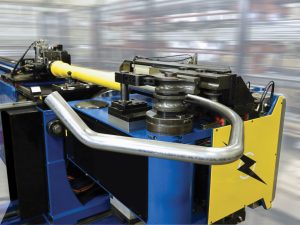
- Complete fabrication capabilities including CNC machining, laser cutting, tube bending, powder coating, and assembly
Ready to Discuss Your Project? Contact Motor City Metal Fab to learn how our welding expertise can support your manufacturing requirements despite industry-wide workforce constraints.
Works Cited
“Shining a Light on the Welding Workforce.” American Welding Society, AWS Foundation, weldingworkforcedata.com/. Accessed 20 Dec. 2025.
“Welders, Cutters, Solderers, and Brazers: Occupational Outlook Handbook.” U.S. Bureau of Labor Statistics, U.S. Department of Labor, www.bls.gov/ooh/production/welders-cutters-solderers-and-brazers.htm. Accessed 20 Dec. 2025.
Related Articles
- [Michigan’s EV Transition Creates Unprecedented Demand for Custom Metal Fabrication]
- [Why AWS-Certified Welding Matters for Michigan Automotive and EV Components]
